Top 10 Questions About Back to School - Teacher Edition
The answers every teacher needs before the first day of school, from classroom setup to management strategies.
Introduction
The back-to-school season is exciting, stressful, and just a little bit chaotic. One minute you're arranging desks and laminating everything in sight. The next, you're wondering how 30 students can ask 75 questions before lunch. Whether you're a first-year teacher or a seasoned educator, every school year brings new challenges, new students, and a fresh opportunity to build a successful classroom.
To help you start the year with confidence, we've answered 10 of the most common back-to-school questions teachers ask. These practical tips are based on educational research and best practices, with just enough humor to remind you that yes, the coffee maker deserves an award too.
Getting ready for back to school also means getting ready for classroom behavior. For practical tips on setting expectations, establishing routines, and handling common behavior challenges, check out our Top 10 Classroom Behavior Management Questions.
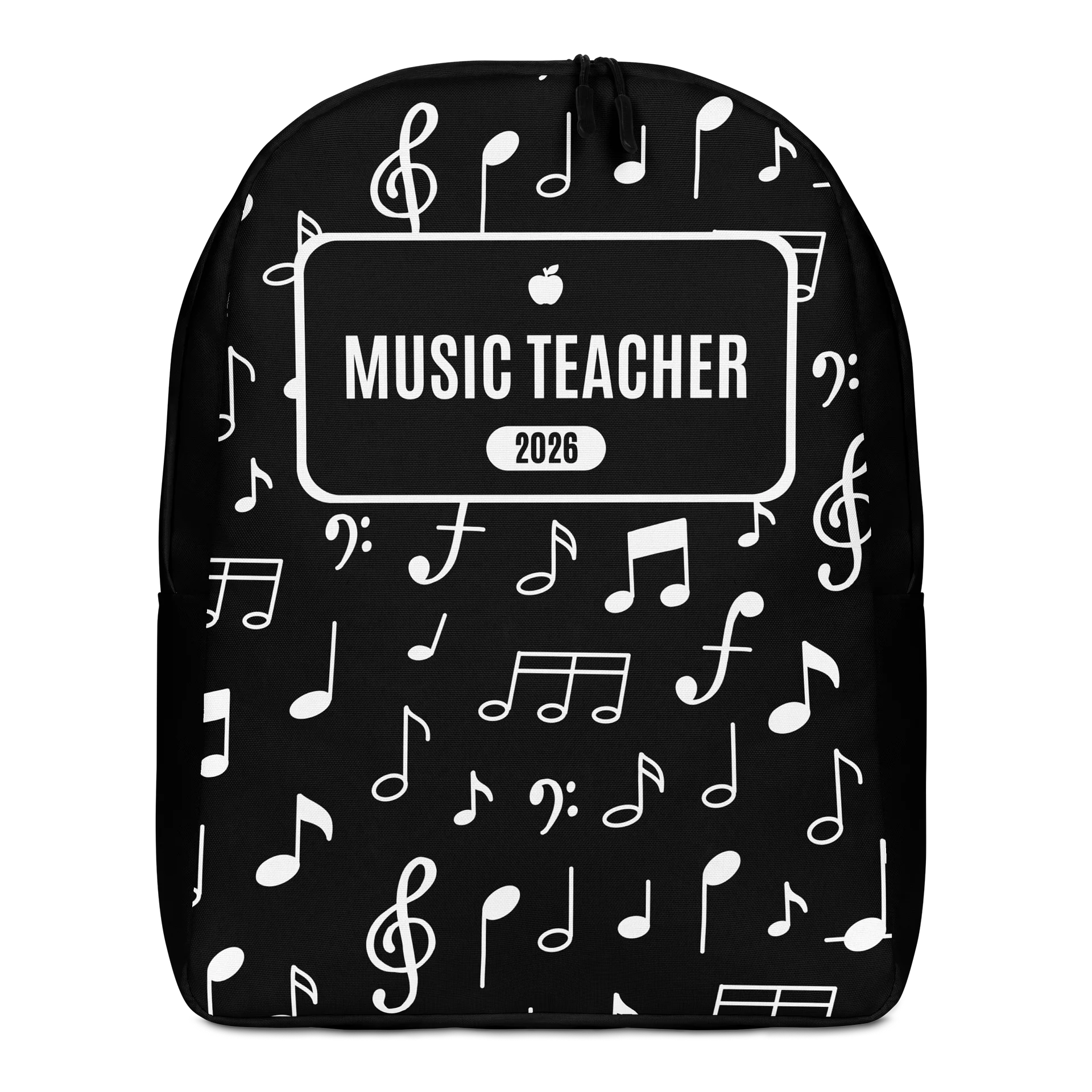
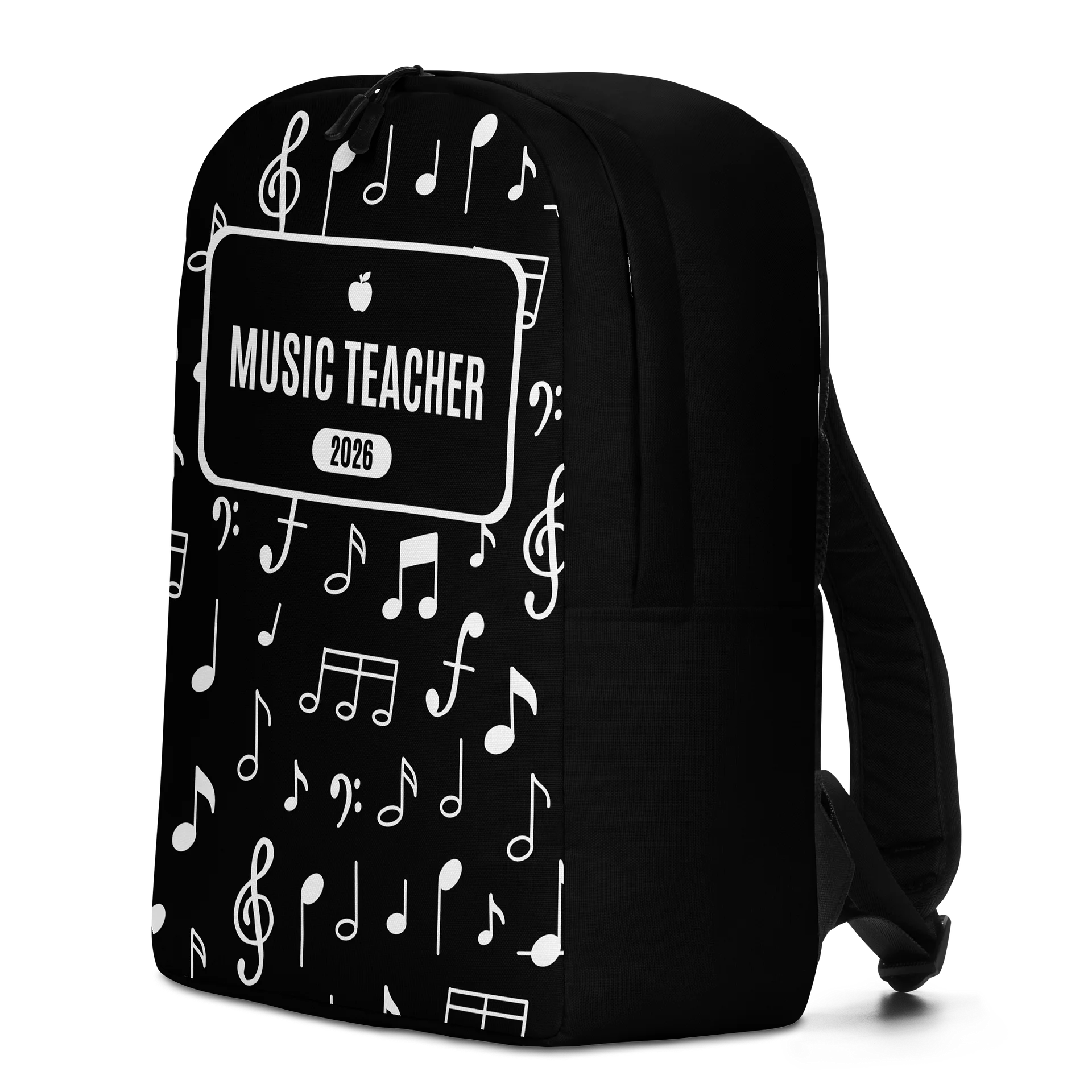
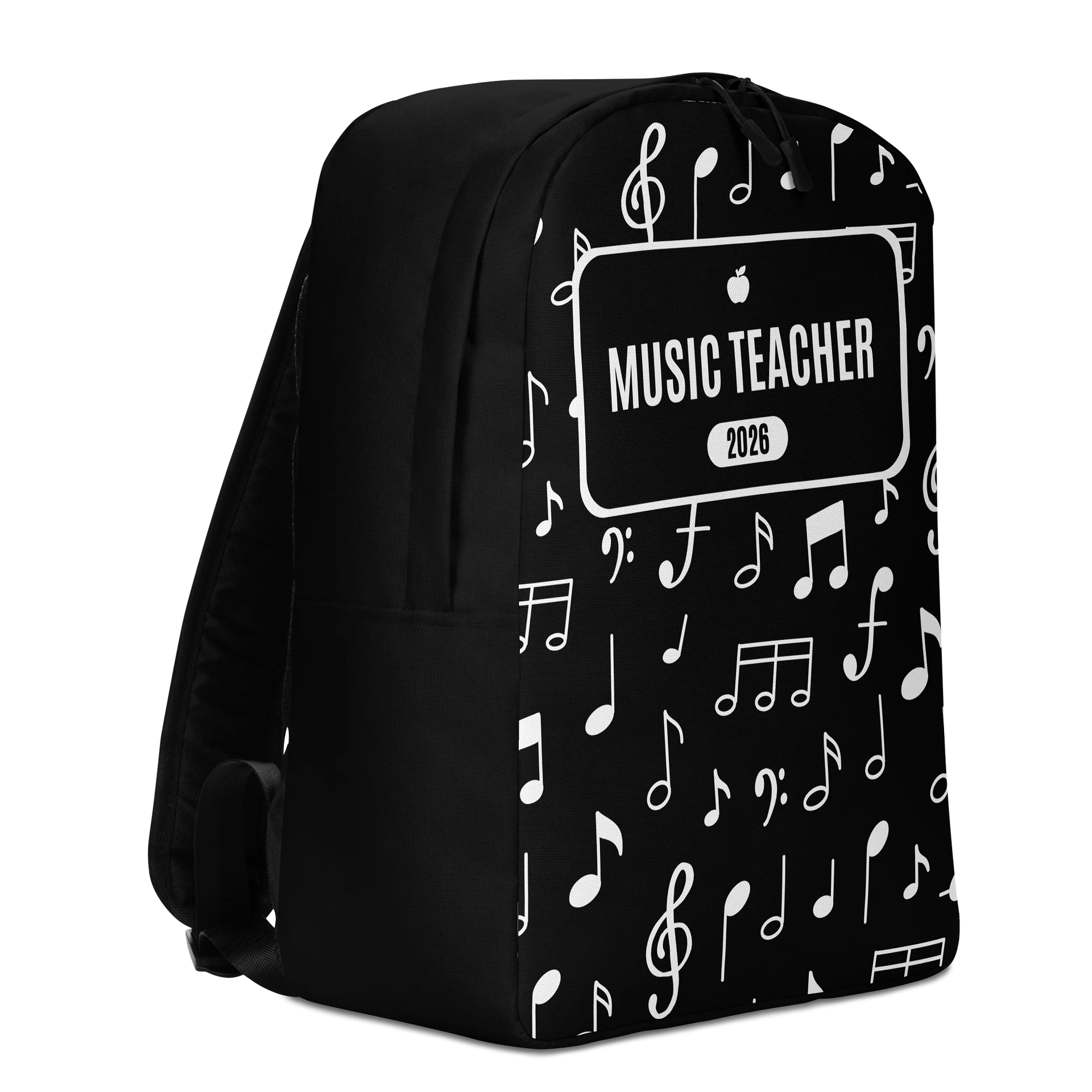
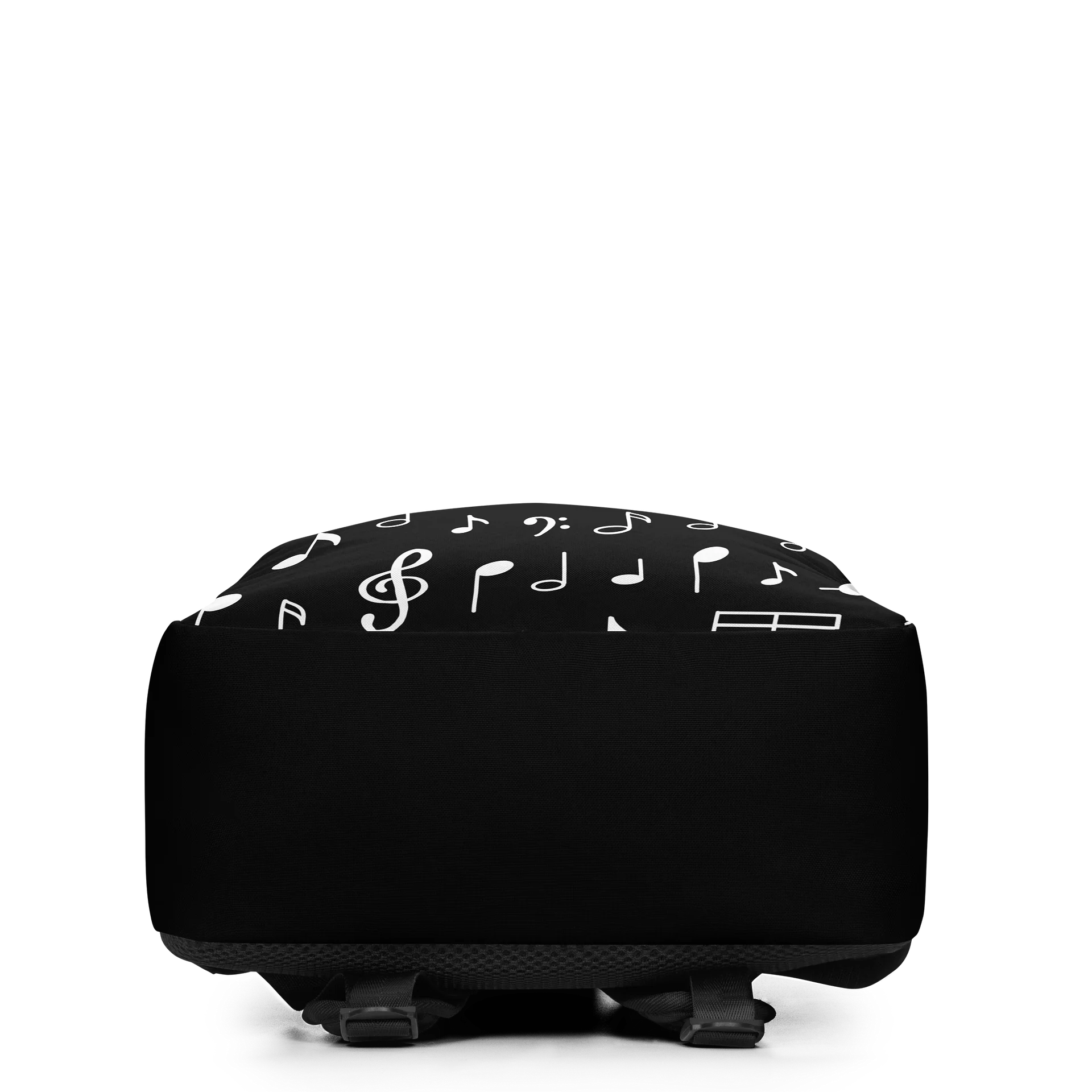
Music Teacher Backpack - Back to School Book Pattern Bag, Teacher Gift 2026
Some teachers don't just teach a subject. They teach a feeling.
Designed for music educators who carry their passion everywhere they go, this all-over print backpack wraps the entire front panel in a bold musical pattern, treble clefs, eighth notes, quarter notes, piano keys, staves, and rests rendered in crisp white line art against a sleek black background. The front badge announces who this belongs to: a centered apple icon, MUSIC TEACHER in bold block type, and the year 2026 in a clean pill label below.
Built for the full school day and every rehearsal in between, this bag has a dedicated 15-inch laptop sleeve inside the main compartment, a hidden zipper pocket on the back panel for your badge, keys, and valuables, and a water-resistant exterior that handles the commute without a second thought. It carries up to 44 pounds and stays comfortable on your shoulders through a long performance day.
This makes a perfect back-to-school gift, end-of-year present, or a well-deserved treat for the music teacher who gives their students a voice.
What subject do you teach? Browse the full Subject Area: Teacher Edition collection to find your version.
Details
- All-over print on 100% polyester
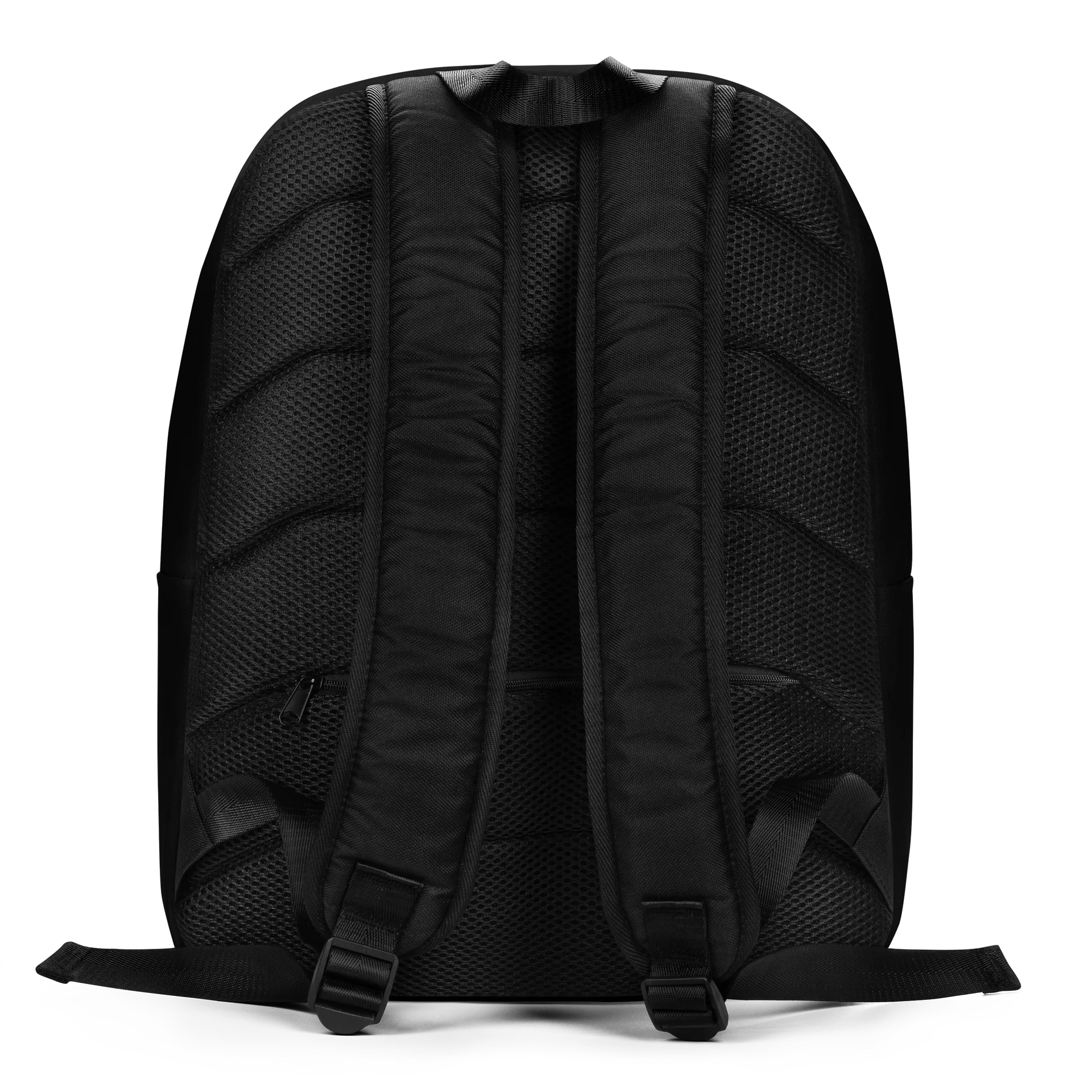
- Dimensions: 16.1 inches tall, 12.2 inches wide, 5.5 inches deep
- 20-liter capacity, holds up to 44 lbs
- Dedicated 15-inch laptop pocket inside main compartment
- Hidden zipper pocket on back panel
- Water-resistant fabric
🎨 COLOR
We take great care to ensure that all product and design colors are represented as accurately as possible. However, please keep in mind that individual computer monitor settings may cause colors to appear slightly different.
📩 FEEDBACK
If you have any inquiries or require further information, please do not hesitate to contact us. We are here to assist and address any questions you may have. Feel free to reach out at your convenience, and we'll be more than happy to help.
THANK YOU
We deeply appreciate your support. By choosing to support our small business, you are helping us pursue our passion and deliver quality products. Thank you for being a valued part of our journey.
1. What Should Teachers Do Before the First Day of School? Here's the Checklist That Actually Matters
Before students walk through the door, focus on the essentials. Review your class roster, learn student names, if possible, organize lesson plans for the first week, prepare classroom procedures, and test your technology.
The first day is less about teaching every academic standard and more about building routines and relationships. Research consistently shows that a strong start leads to better classroom engagement throughout the year.
Think of it as setting the GPS before the road trip instead of yelling "recalculating" for the next nine months.
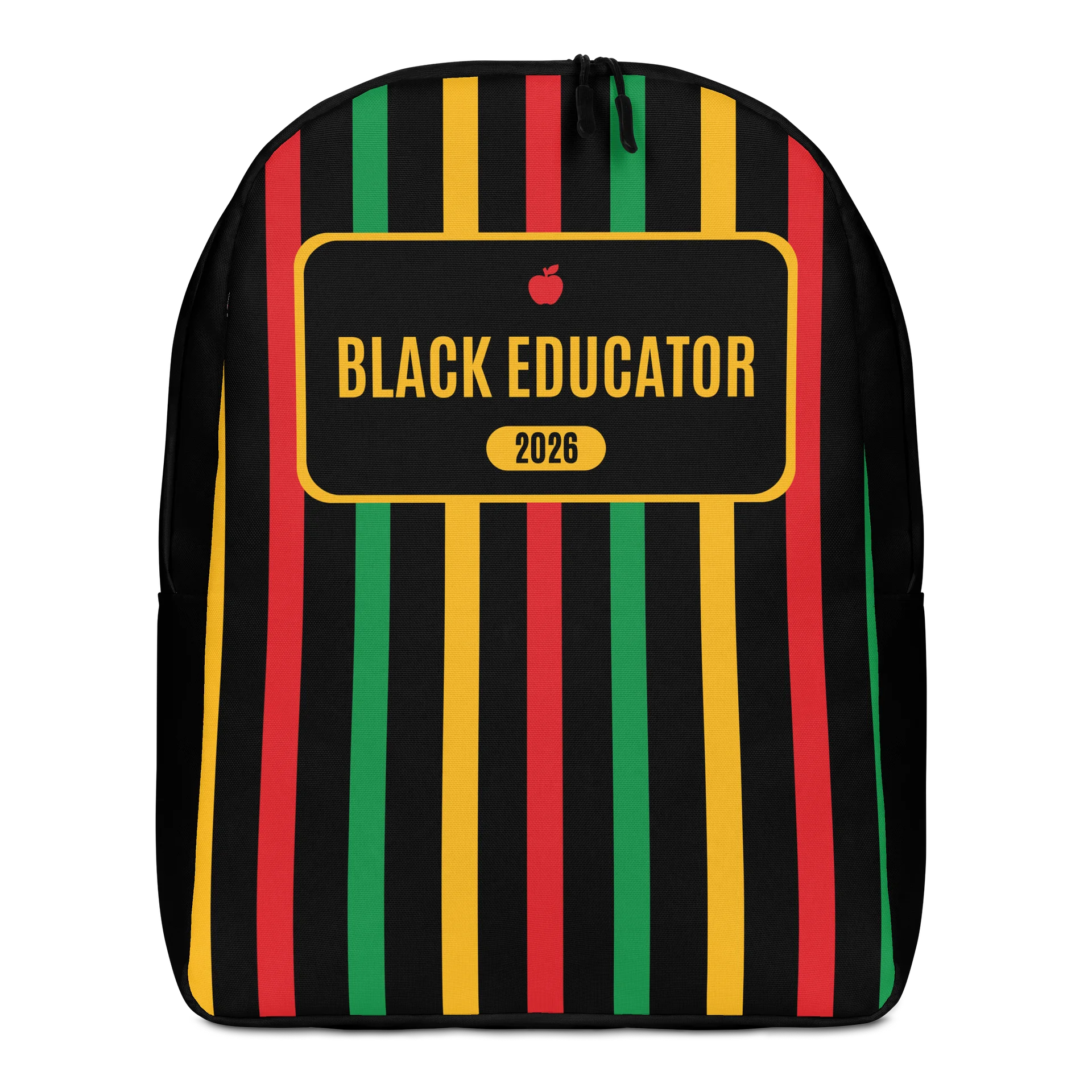
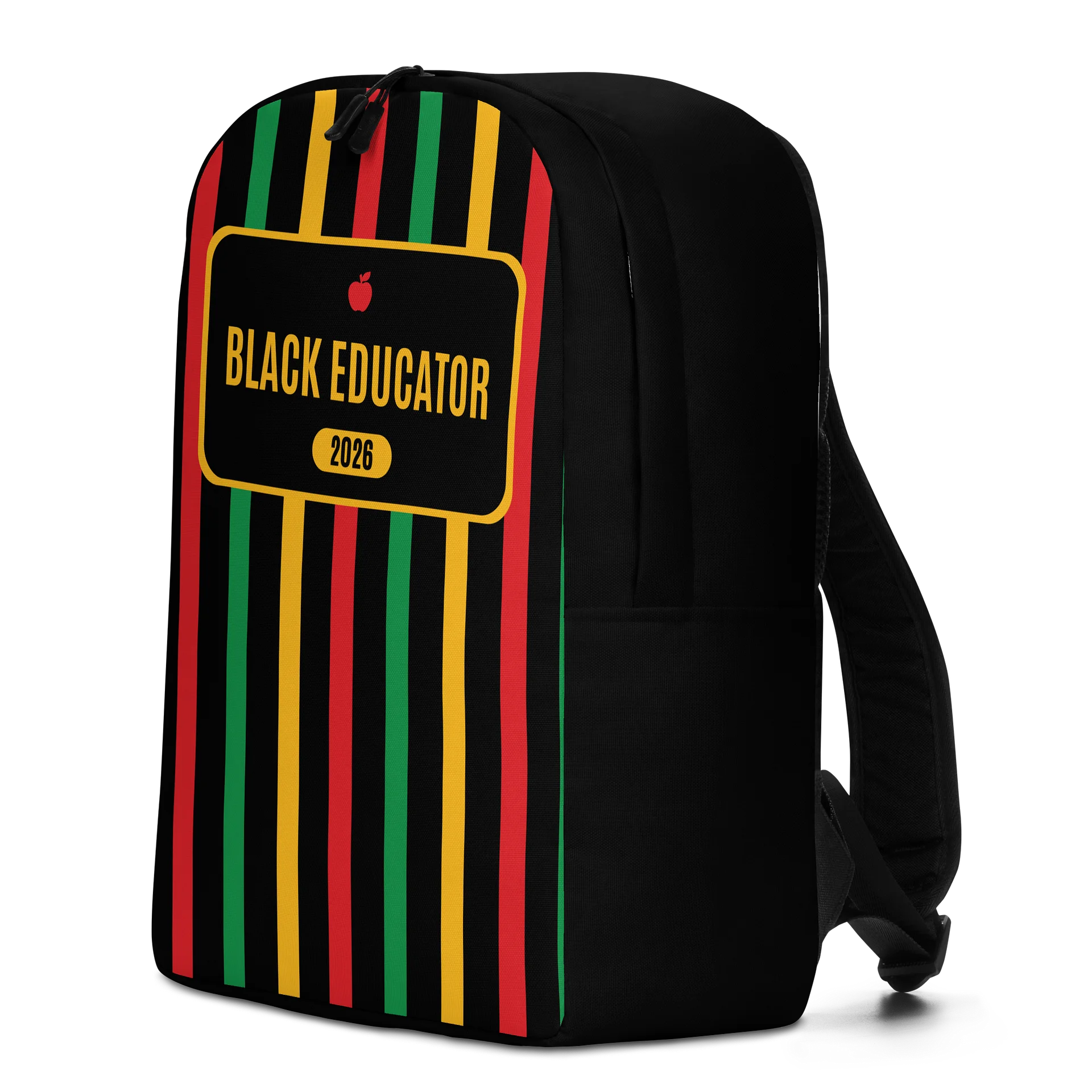
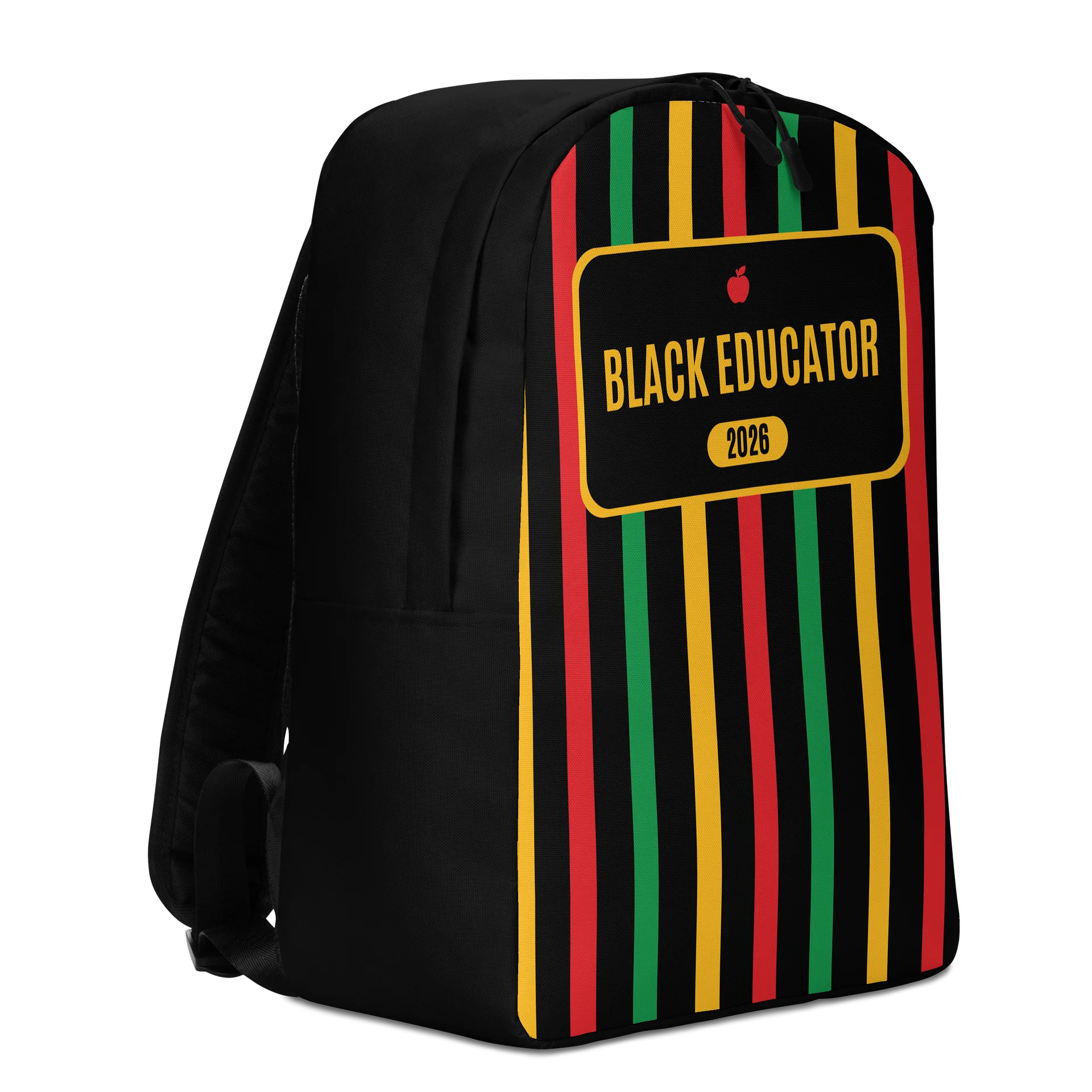
Black Teacher Backpack - Back to School Afrocentric Bag, Teacher Gift 2026
Carry your culture. Carry your community. Carry your class.
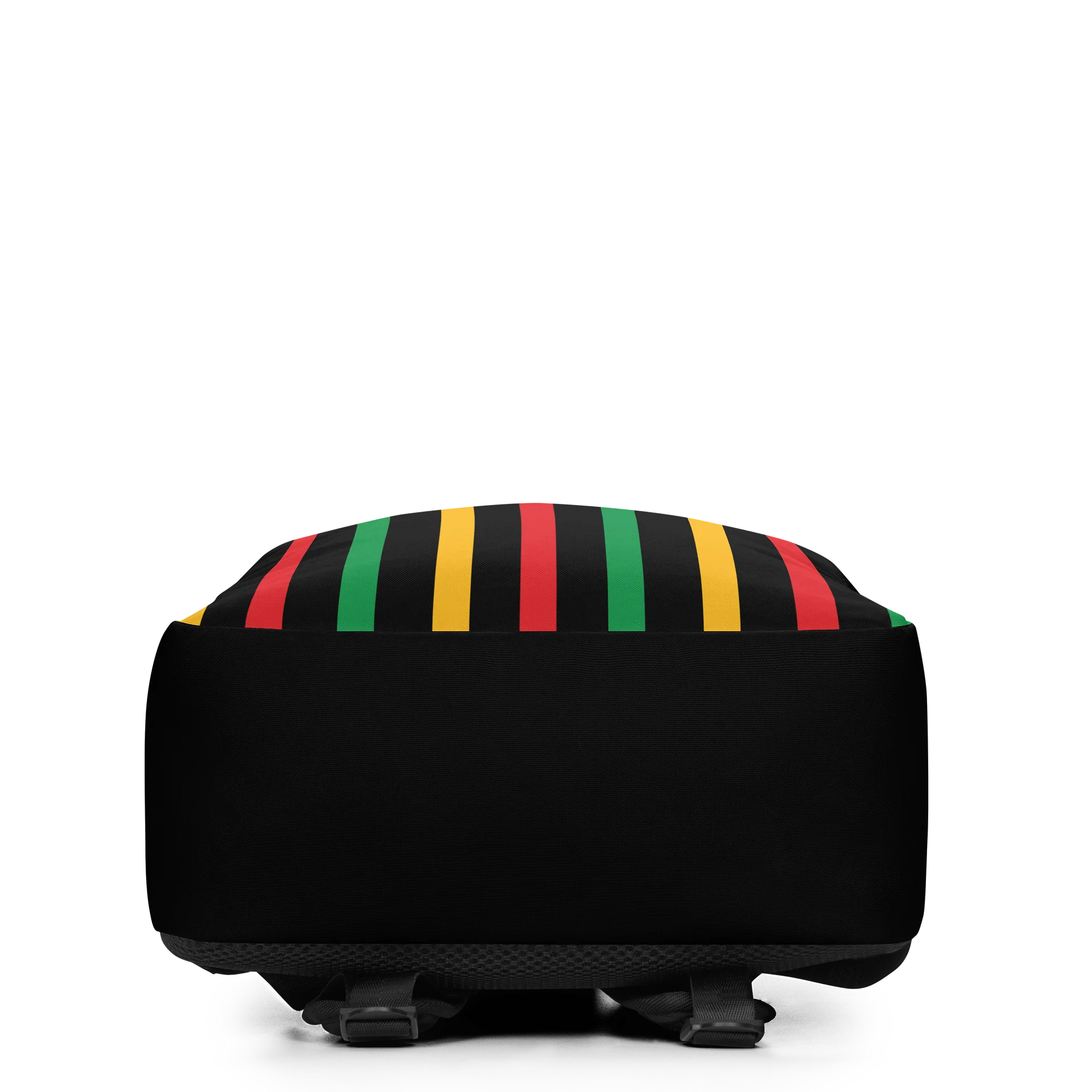
This backpack was made for Black educators who show up as their full selves every single day of the school year. The design draws from Juneteenth heritage colors, red, black, green, and gold, rendered in bold Afrocentric stripes that wrap the front of the bag in a pattern rooted in freedom, pride, and community. This is not a seasonal design. These colors and what they represent belong in every classroom, every month, all year long. The front badge displays BLACK EDUCATOR in bold block type with the year 2026 below.
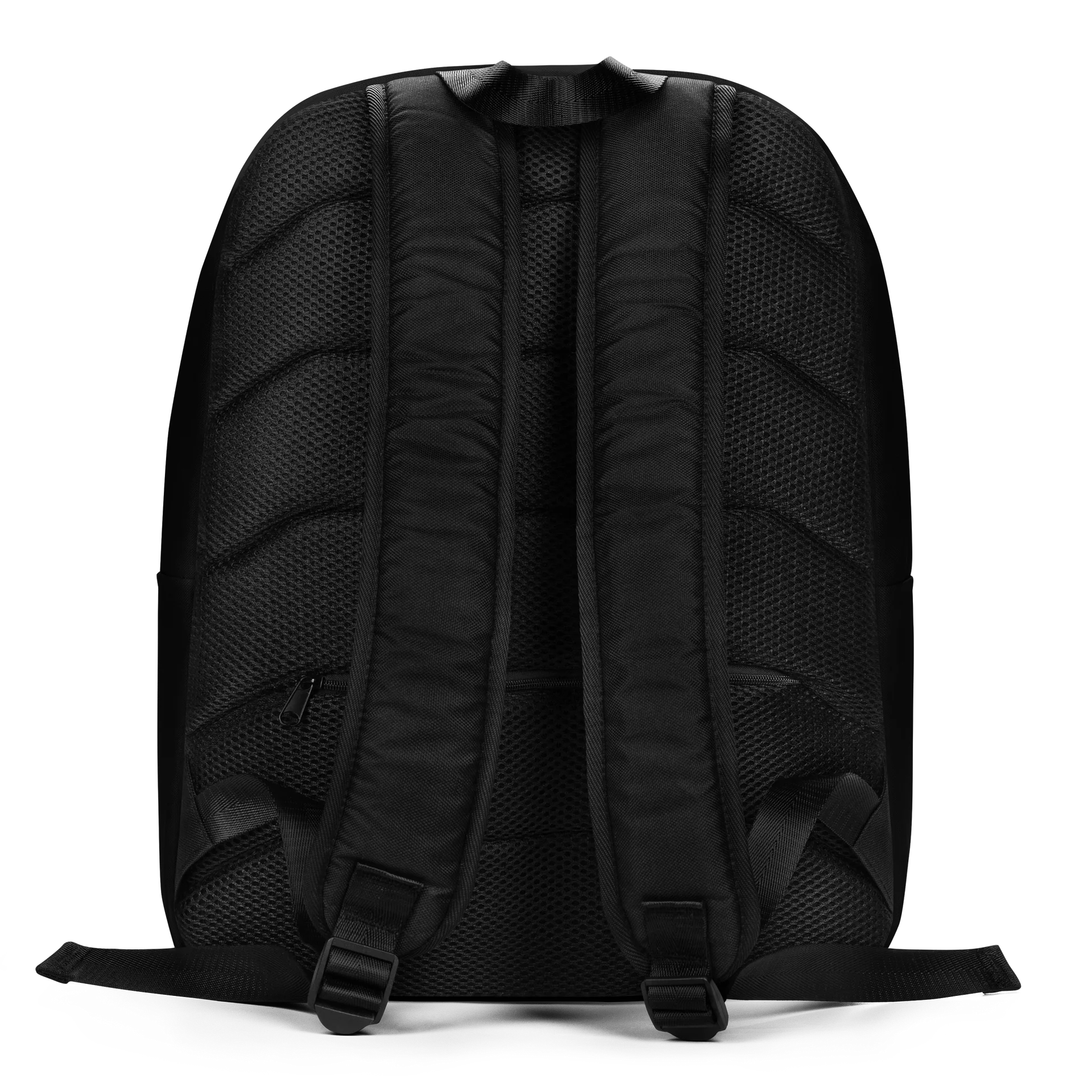
Built for educators who carry the weight of representation alongside everything else, this bag features a dedicated 15-inch laptop sleeve, a hidden back pocket for your badge, keys, and valuables, and water-resistant fabric for every kind of commute. It holds up to 44 pounds comfortably on your shoulders.
A powerful back-to-school gift, Juneteenth celebration piece, or personal statement for the Black educator whose presence in the classroom changes everything.
Details
- All-over print on 100% polyester
- Dimensions: 16.1 inches tall, 12.2 inches wide, 5.5 inches deep
- 20-liter capacity, holds up to 44 lbs
- Dedicated 15-inch laptop pocket inside main compartment
- Hidden zipper pocket on back panel
- Water-resistant fabric
- Ships from the US and EU
🎨 COLOR
We take great care to ensure that all product and design colors are represented as accurately as possible. However, please keep in mind that individual computer monitor settings may cause colors to appear slightly different.
📩 FEEDBACK
If you have any inquiries or require further information, please do not hesitate to contact us. We are here to assist and address any questions you may have. Feel free to reach out at your convenience, and we'll be more than happy to help.
THANK YOU
We deeply appreciate your support. By choosing to support our small business, you are helping us pursue our passion and deliver quality products. Thank you for being a valued part of our journey.
FOLLOW US ON SOCIAL
Stay in the loop and be the first to know about our awesome sales by following us on social media.
2. How Do Teachers Prepare Their Classrooms for a New School Year?
A well-organized classroom helps students feel safe and ready to learn. Arrange desks to support your teaching style, clearly label classroom materials, create learning stations if appropriate, and display helpful resources without overwhelming students.
Leave room for student work to make the classroom feel like it belongs to them. According to classroom environment research, organized spaces reduce distractions and improve student focus.
Also, resist the urge to spend three hours deciding where the pencil sharpener belongs. Students will still find a way to create a traffic jam around it.
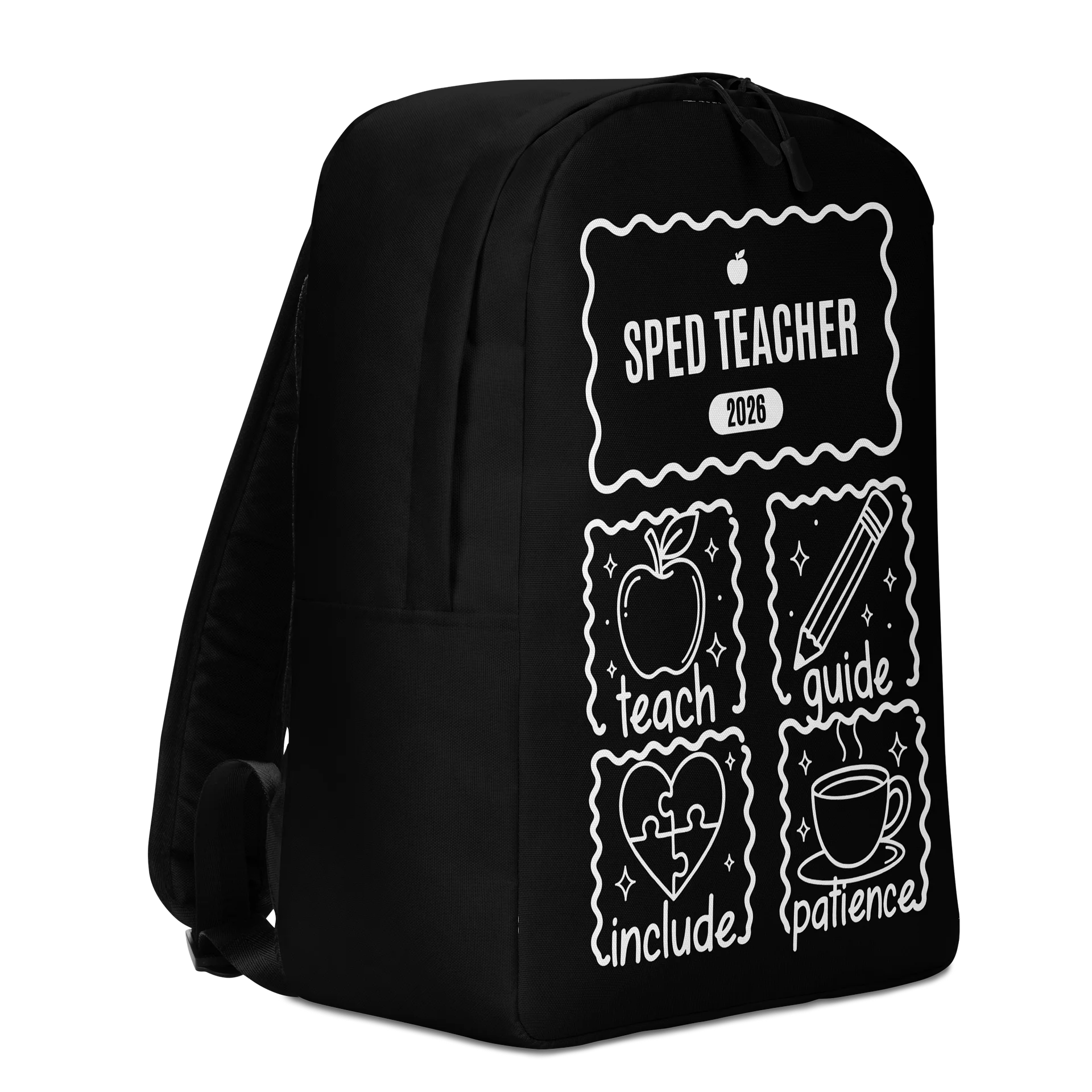
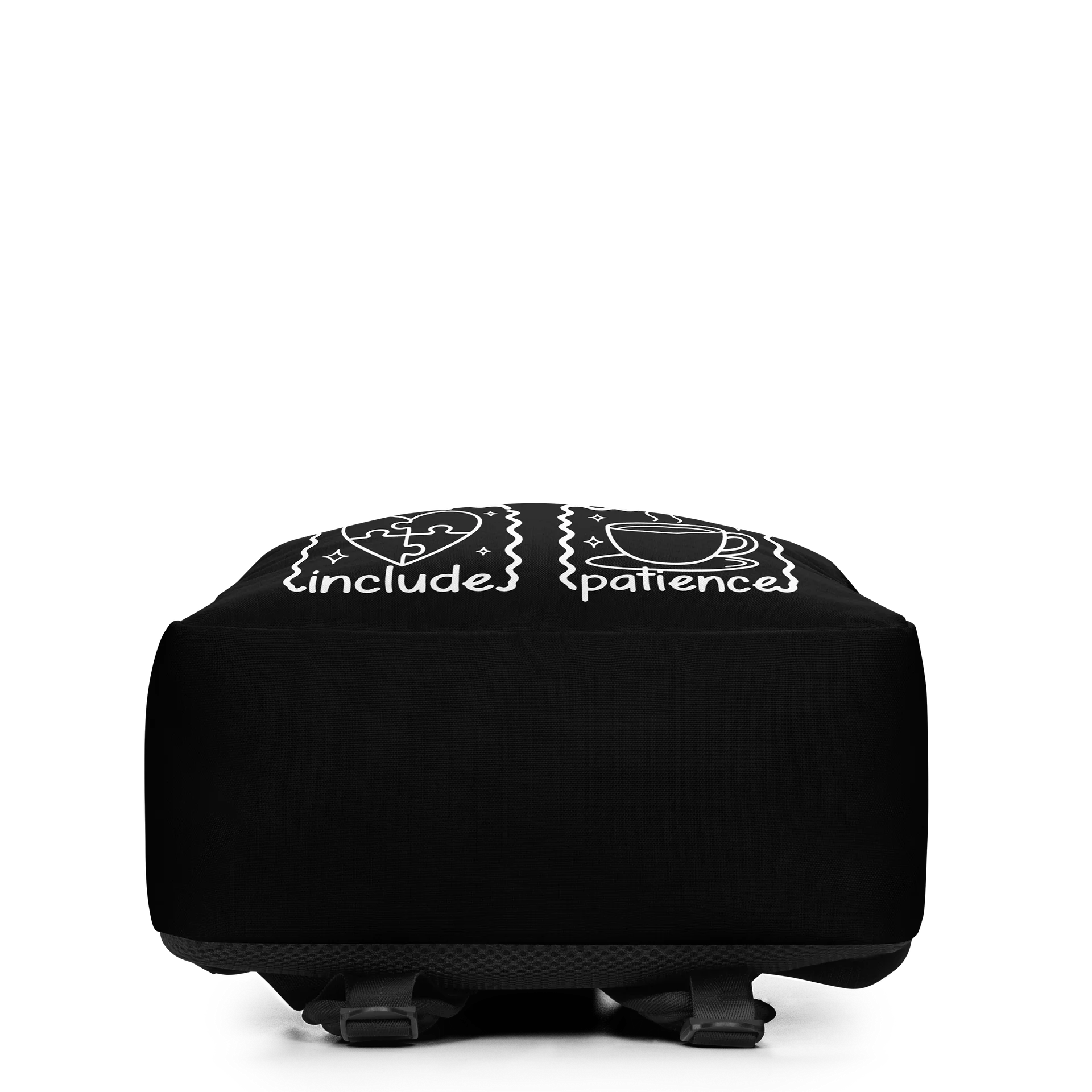
SPED Teacher Backpack - Back to School Book Bag, Teacher Gift 2026
Four words. Four things that define everything you do.
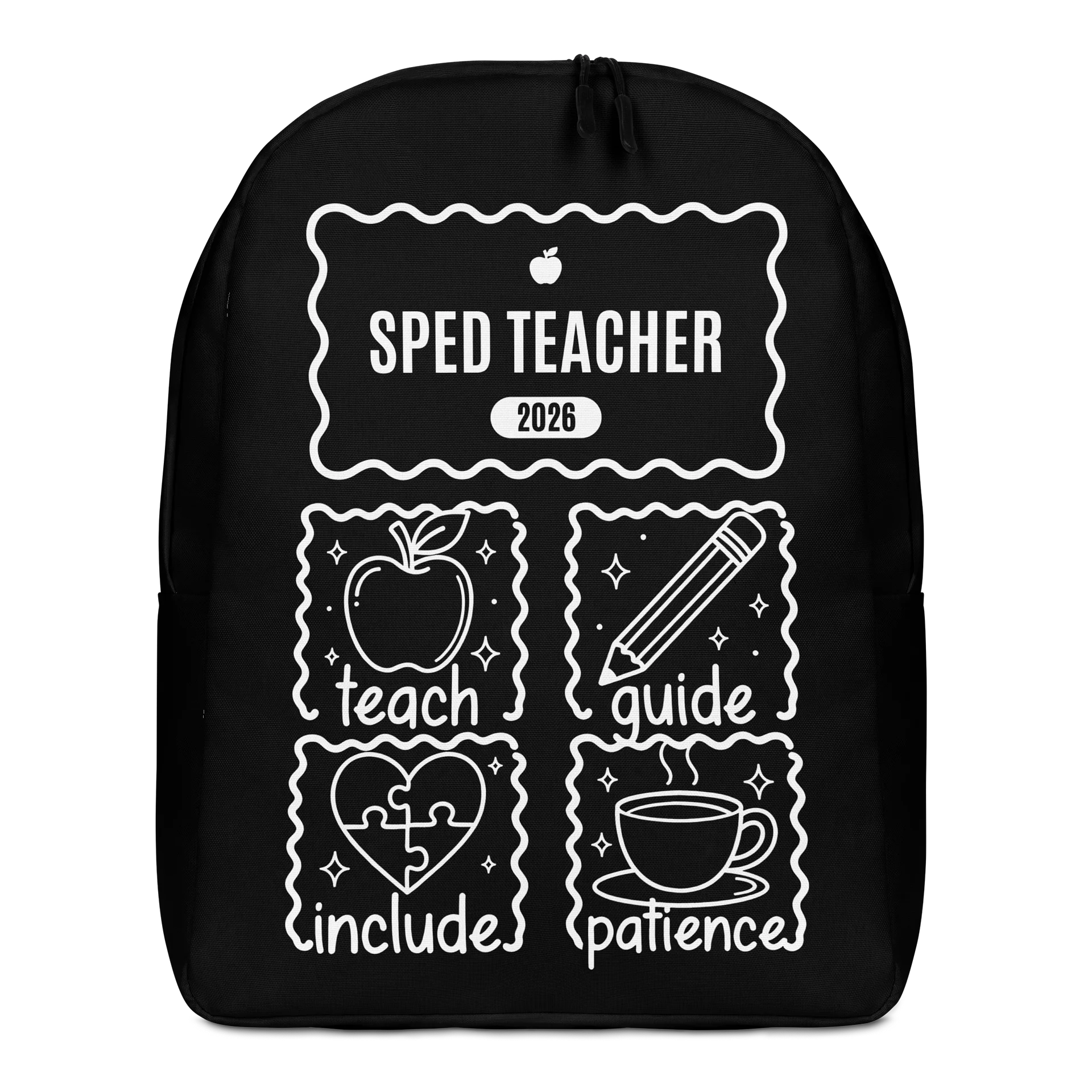
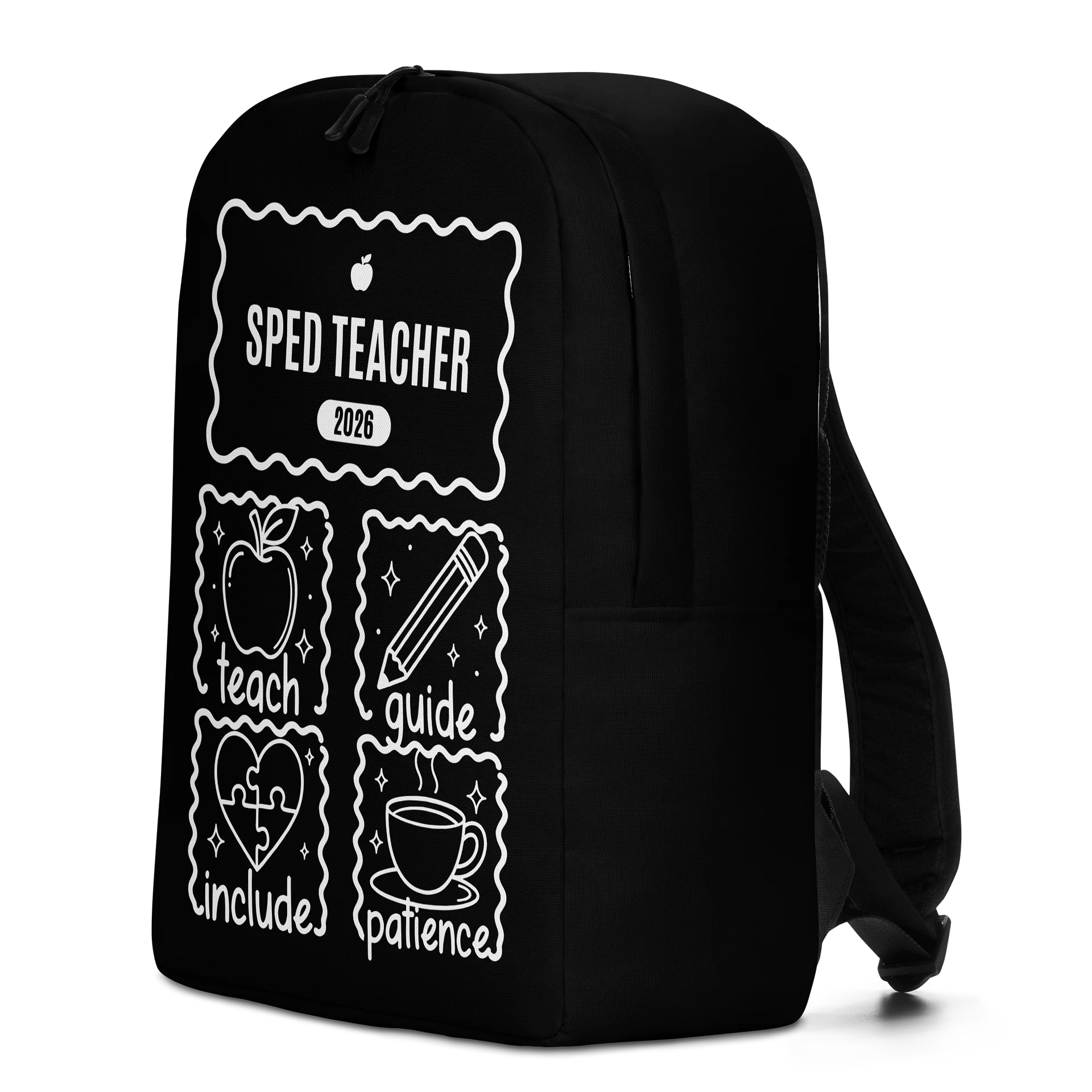
This backpack was designed specifically for special education teachers, the educators who work harder, stay later, adapt faster, and love deeper than most people ever see. The front panel skips the pattern and lets the meaning speak instead. Four squares, each with a simple icon and a single word that says it all: an apple and the word TEACH. A pencil and the word GUIDE. A heart-shaped puzzle piece and the word INCLUDE. A coffee cup and the word PATIENCE. Surrounding those four squares is the top badge: SPED TEACHER in bold block type with the year 2026 below.
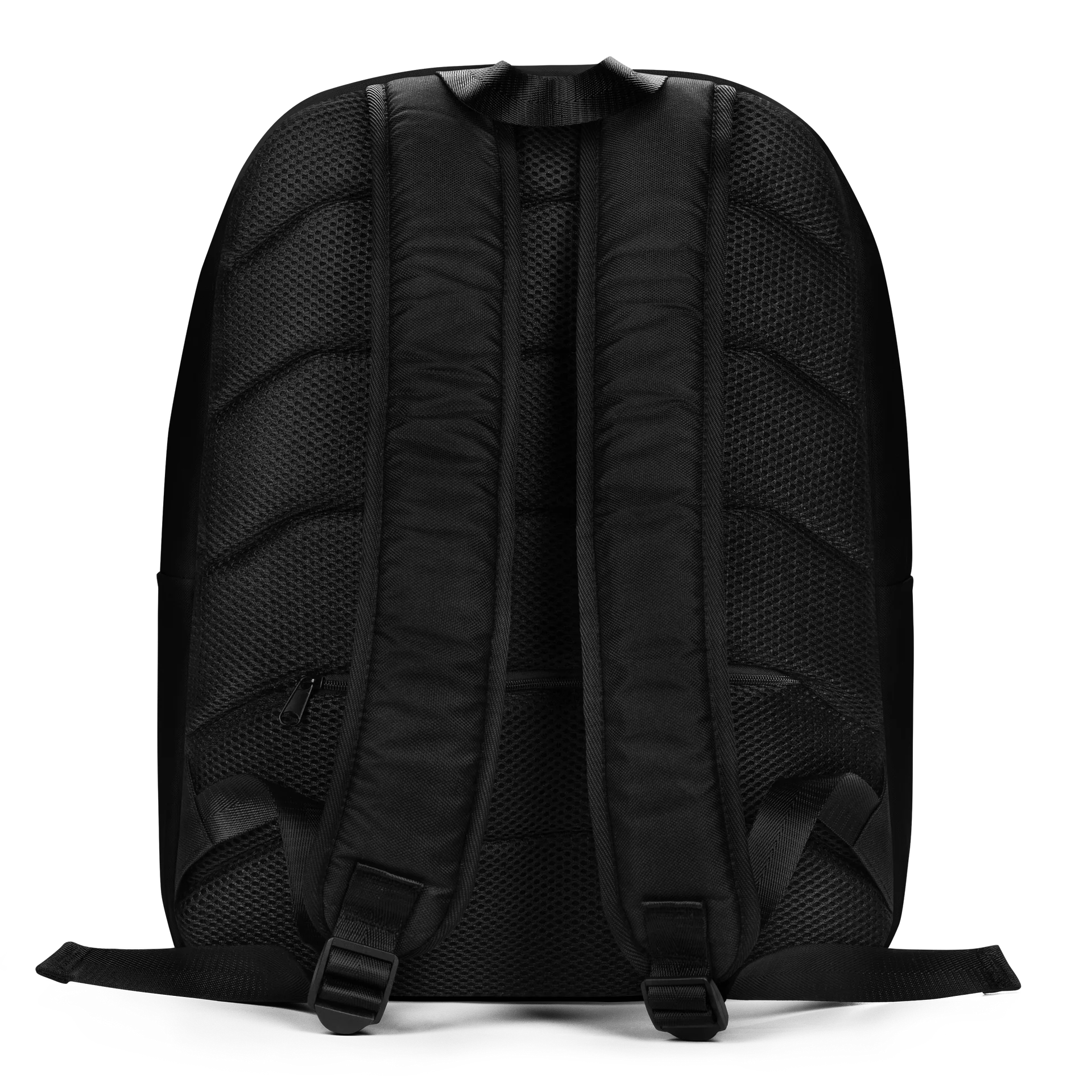
Built for the demands of a special education classroom, this bag holds everything you carry, a dedicated 15-inch laptop sleeve for your device, a hidden back zipper pocket for your badge, keys, and valuables, and a water-resistant exterior that handles the full school day. It carries up to 44 pounds and still rides comfortably on your shoulders.
This is the most meaningful back-to-school gift you can give a special education teacher, and the most honest statement piece a SPED educator can carry into the building every morning.
Details
- All-over print on 100% polyester
- Dimensions: 16.1 inches tall, 12.2 inches wide, 5.5 inches deep
- 20-liter capacity, holds up to 44 lbs
- Dedicated 15-inch laptop pocket inside main compartment
- Hidden zipper pocket on back panel
- Water-resistant fabric
- Ships from the US and EU
🎨 COLOR
We take great care to ensure that all product and design colors are represented as accurately as possible. However, please keep in mind that individual computer monitor settings may cause colors to appear slightly different.
📩 FEEDBACK
If you have any inquiries or require further information, please do not hesitate to contact us. We are here to assist and address any questions you may have. Feel free to reach out at your convenience, and we'll be more than happy to help.
THANK YOU
We deeply appreciate your support. By choosing to support our small business, you are helping us pursue our passion and deliver quality products. Thank you for being a valued part of our journey.
3. What Supplies Do Teachers Buy for Back to School?
Most teachers purchase more supplies than they planned.
Common classroom essentials include dry erase markers, sticky notes, folders, pencils, notebooks, tissues, hand sanitizer, storage bins, bulletin board materials, and organizational tools.
Many teachers also invest in timers, classroom prizes, and technology accessories.
Creating a prioritized shopping list and watching seasonal sales can help reduce out-of-pocket costs, which unfortunately many teachers know all too well.
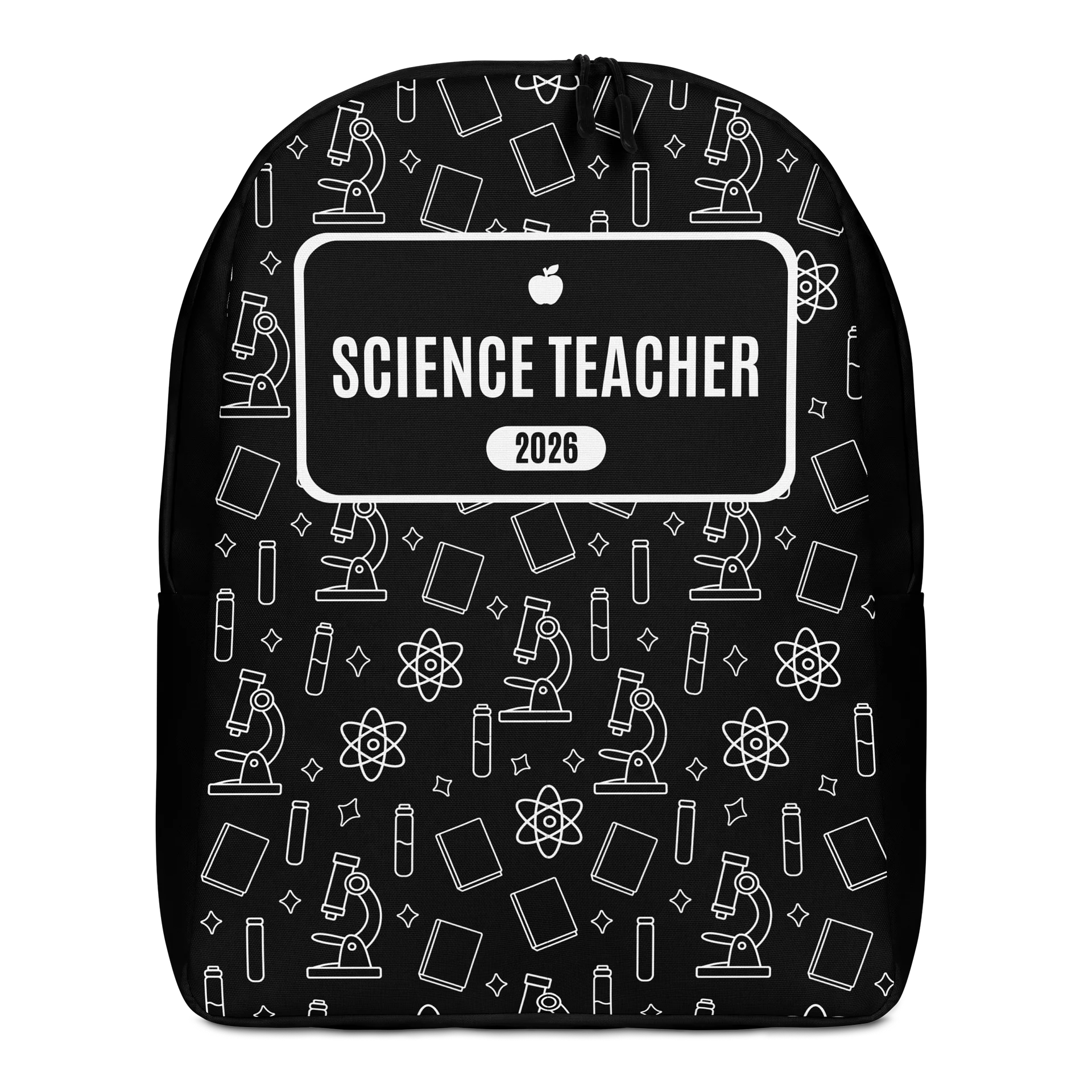
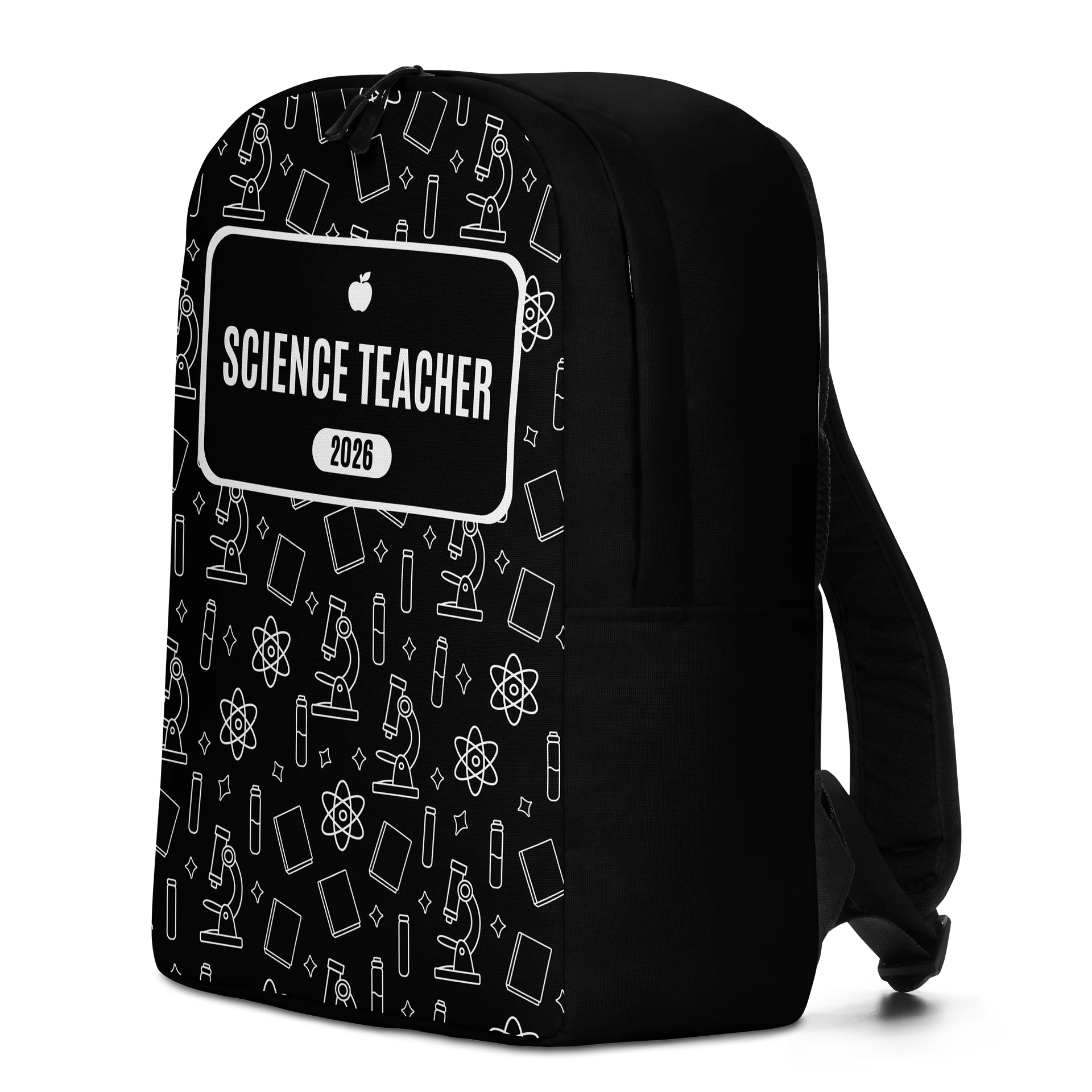
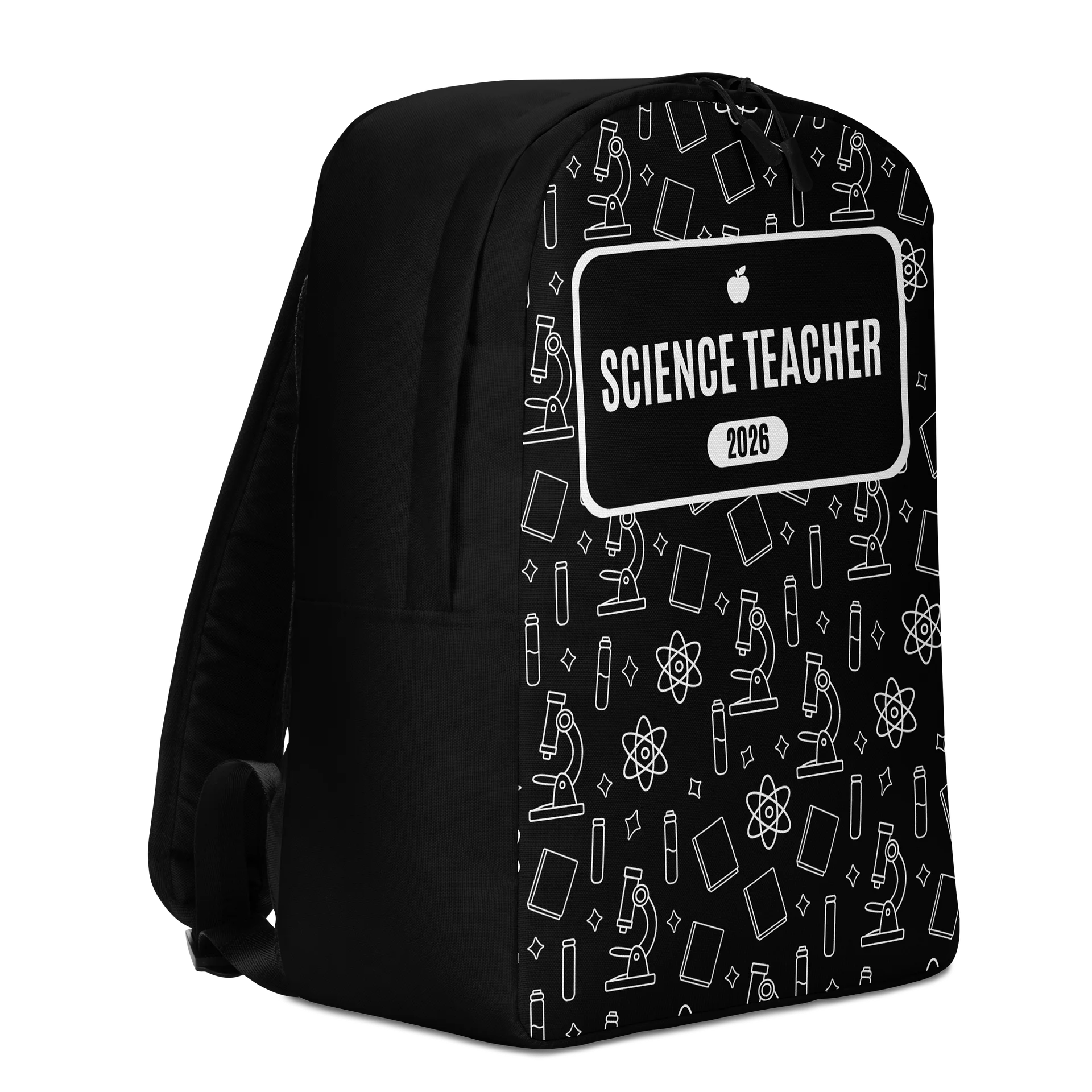
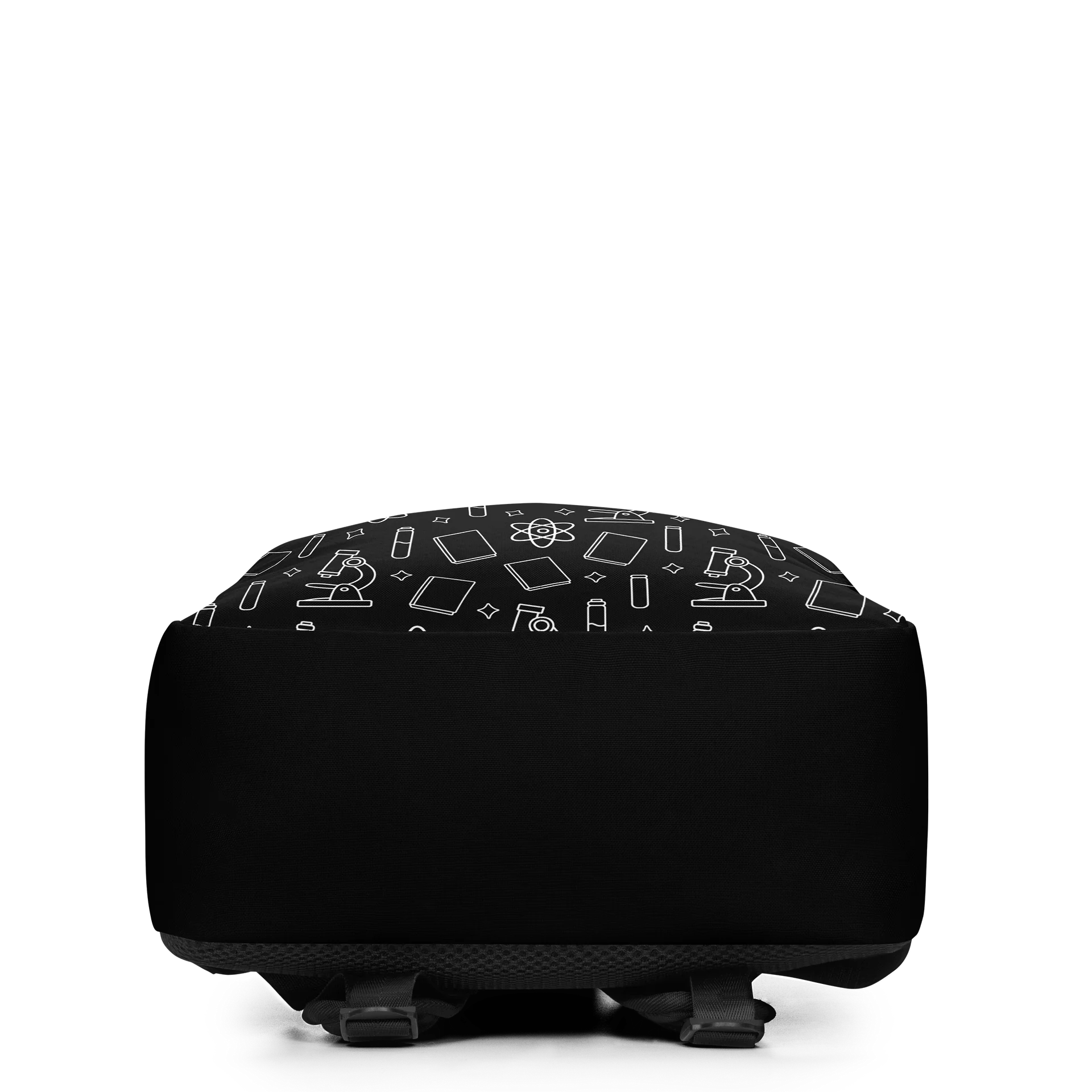
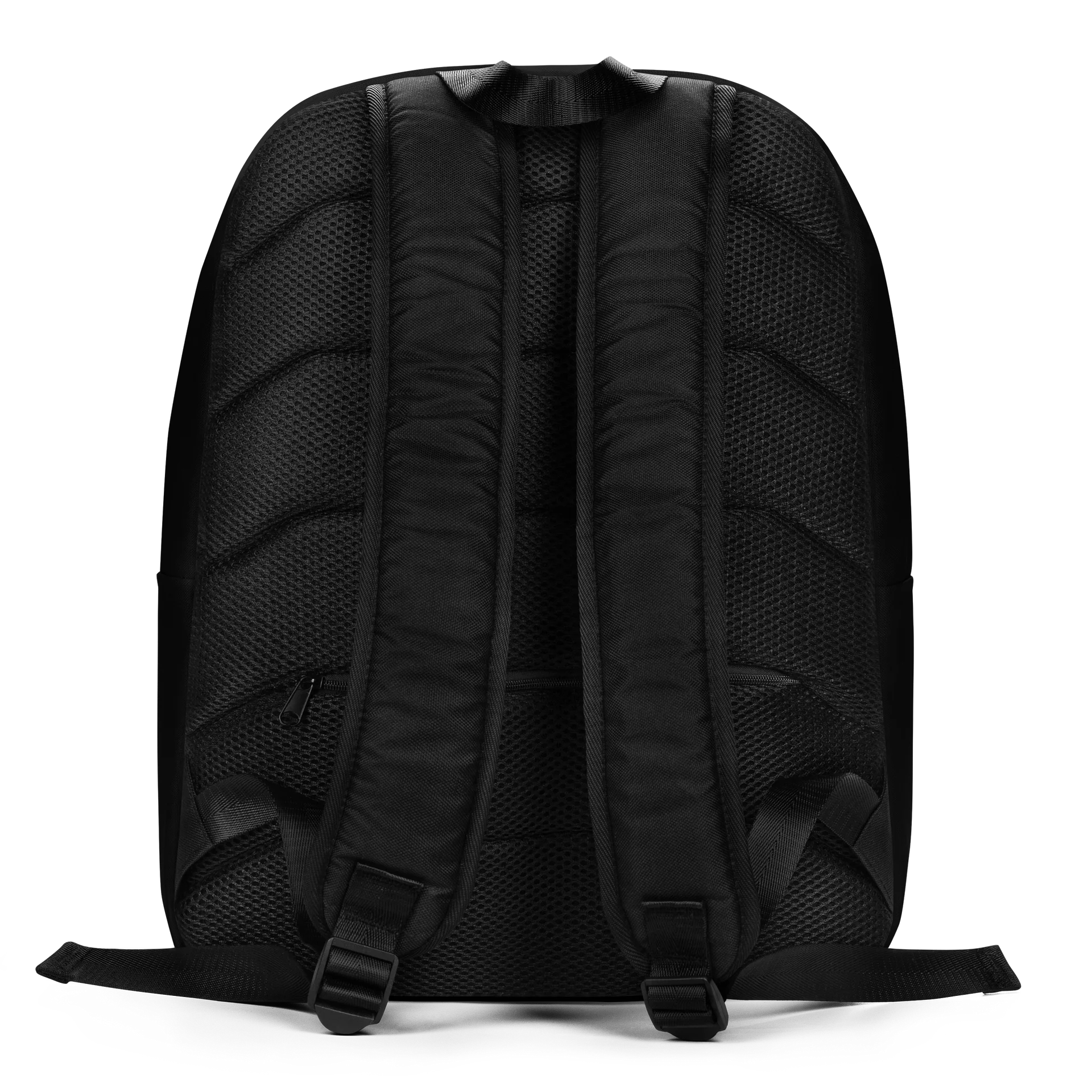
Science Teacher Backpack - Back to School Book Pattern Bag, Teacher Gift 2026
The best science teachers don't just teach answers. They teach students how to ask better questions.
Built for educators who bring discovery into the classroom every single day, this all-over print backpack covers the entire front panel in a bold science pattern, atoms, DNA helixes, molecules, beakers, test tubes, microscopes, and flask silhouettes rendered in clean white line art against a sharp black background. The front badge does the rest: an apple icon at the top, SCIENCE TEACHER in block letters, and 2026 in a clean pill label underneath.
There is a dedicated 15-inch laptop sleeve for your device, a hidden back zipper pocket for your ID, keys, and valuables, and a water-resistant exterior built for early mornings and full school days. This bag carries up to 44 pounds and still rides comfortably on your shoulders.
Give it as a back-to-school gift, a teacher appreciation present, or a well-earned reward for the educator who turns curiosity into confidence.
What subject do you teach? Browse the full Subject Area: Teacher Edition collection to find your version.
Details
- All-over print on 100% polyester
- Dimensions: 16.1 inches tall, 12.2 inches wide, 5.5 inches deep
- 20-liter capacity, holds up to 44 lbs
- Dedicated 15-inch laptop pocket inside main compartment
- Hidden zipper pocket on back panel
- Water-resistant fabric
🎨 COLOR
We take great care to ensure that all product and design colors are represented as accurately as possible. However, please keep in mind that individual computer monitor settings may cause colors to appear slightly different.
📩 FEEDBACK
If you have any inquiries or require further information, please do not hesitate to contact us. We are here to assist and address any questions you may have. Feel free to reach out at your convenience, and we'll be more than happy to help.
THANK YOU
We deeply appreciate your support. By choosing to support our small business, you are helping us pursue our passion and deliver quality products. Thank you for being a valued part of our journey.
4. How Can Teachers Reduce First Week Classroom Chaos?
Consistency is your best friend. Spend the first week teaching routines instead of rushing into academics.
Practice entering the classroom, turning in assignments, asking questions, and transitioning between activities.
Repeat procedures until students can do them independently. Educational experts emphasize that practicing routines early reduces behavior issues later. Yes, you'll explain how to line up more times than you thought humanly possible. It pays off.
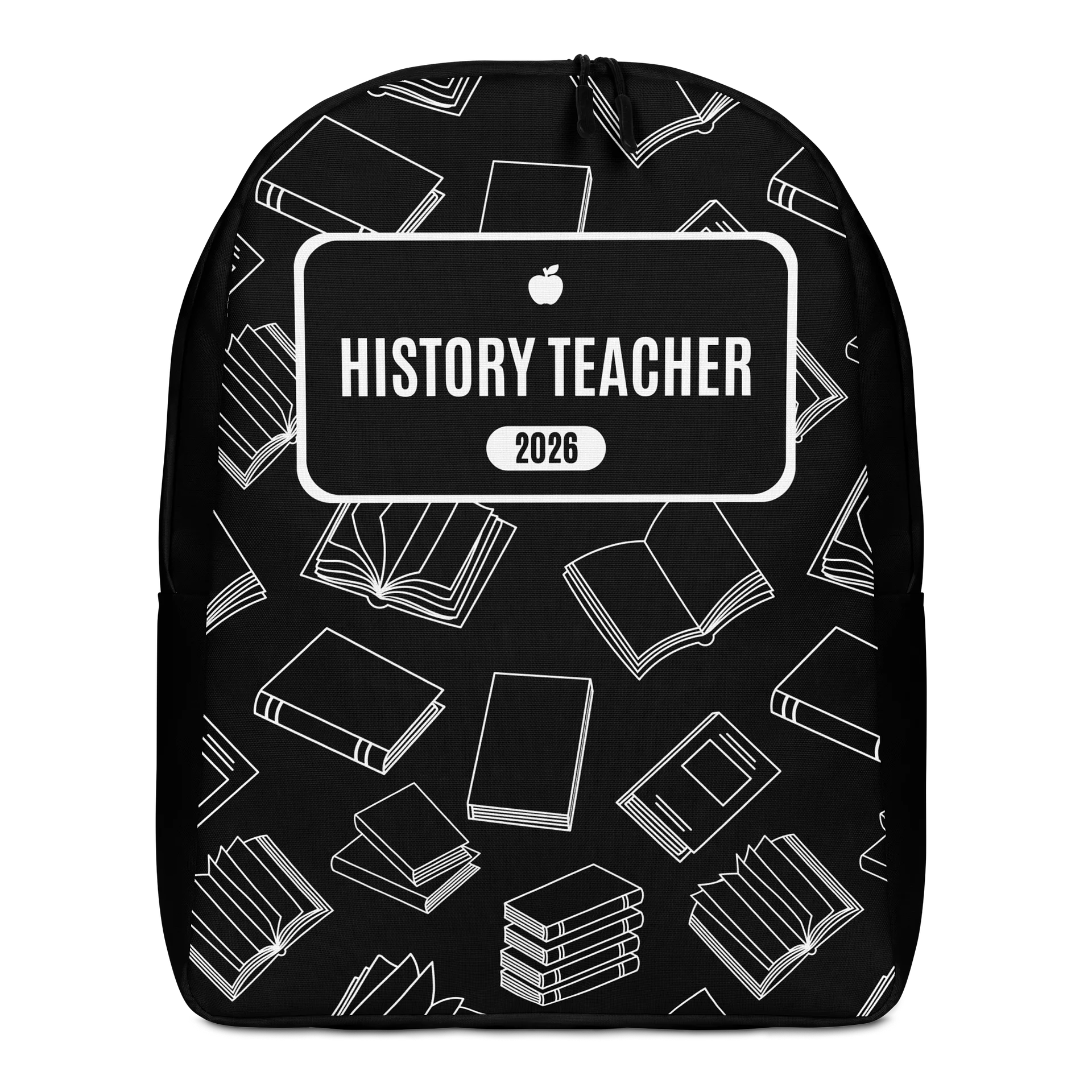
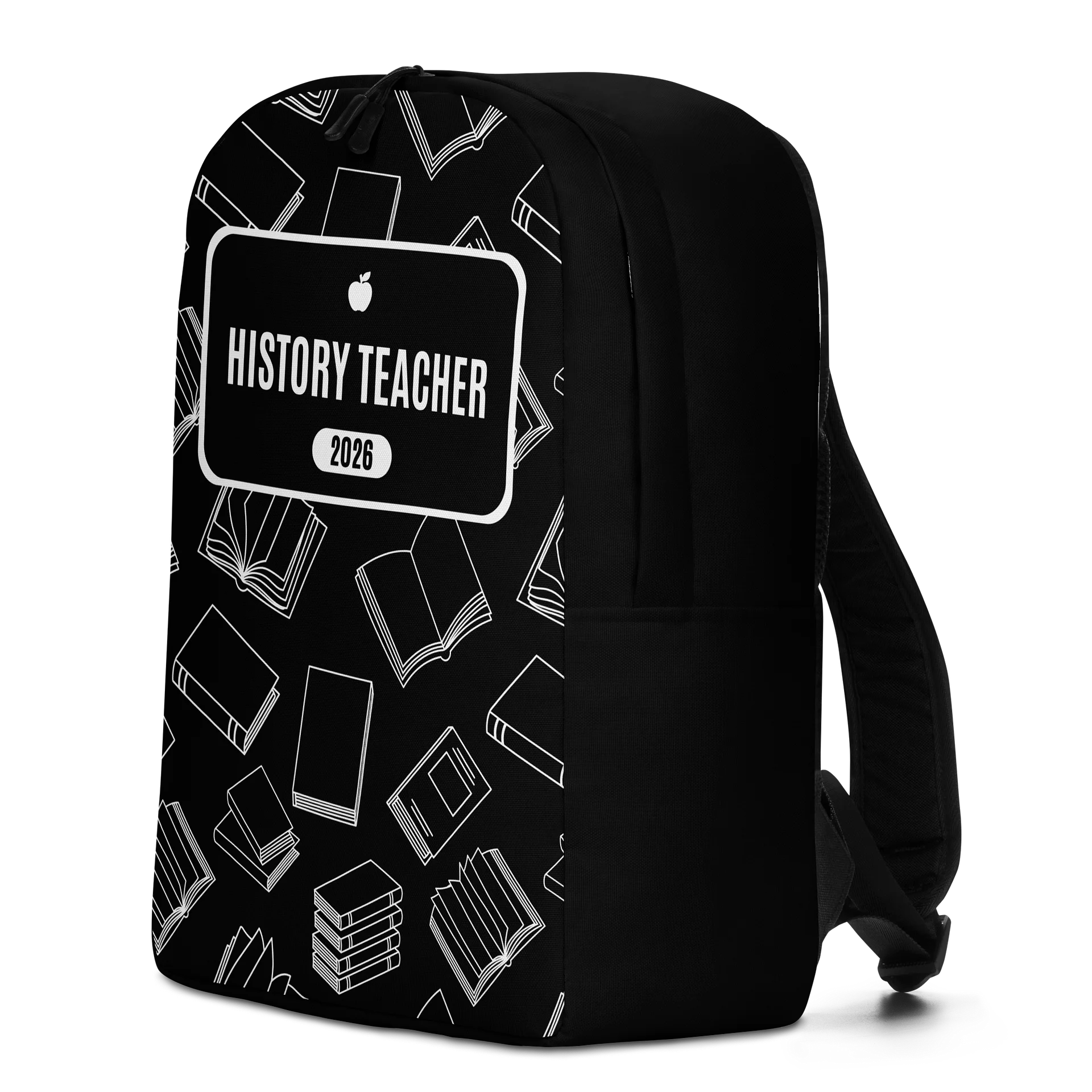
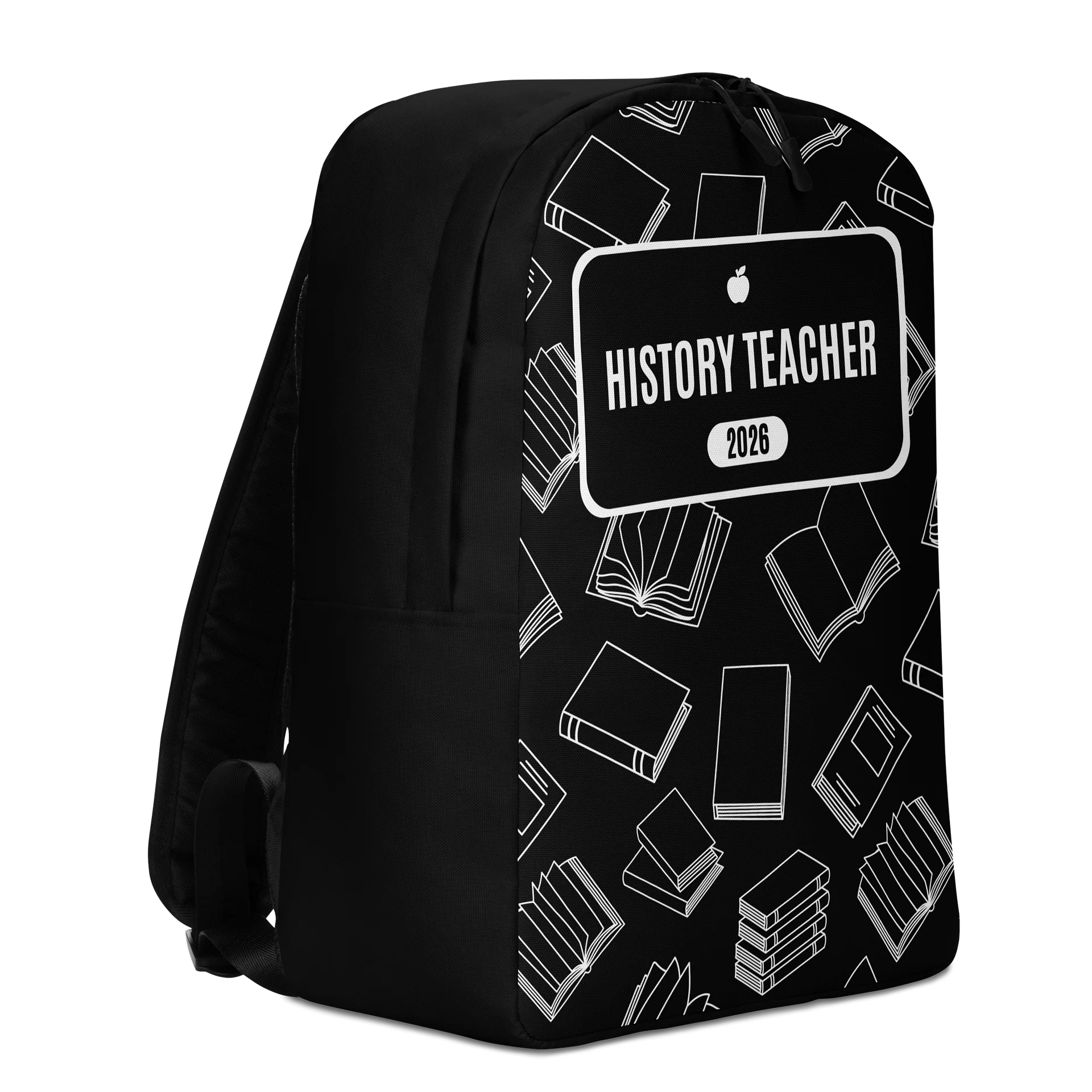
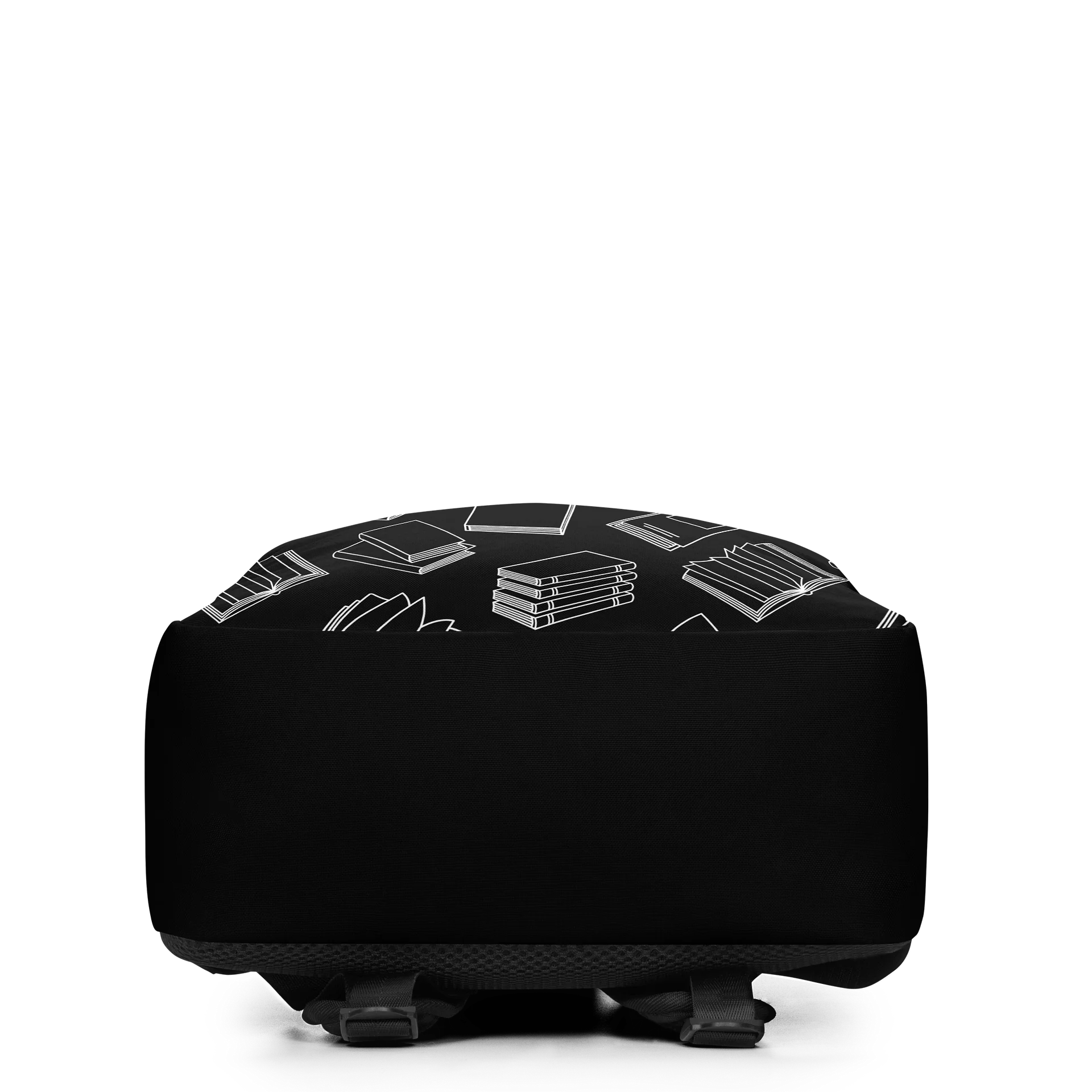
History Teacher Backpack - Back to School Book Pattern Bag, Teacher Gift 2026
History teachers carry the past so their students can understand the present.
This all-over print backpack was made for the educator who knows that every story matters. The entire front panel is wrapped in a bold crisp book white line art against a deep black background. The centered front badge finishes the look: an apple icon, HISTORY TEACHER in bold block type, and the class year 2026 in a clean pill label below.
Practical enough for the full school day, this bag includes a dedicated 15-inch laptop sleeve, a hidden back pocket for your badge and keys, and water-resistant fabric that handles any kind of commute. It carries up to 44 pounds and stays comfortable through every lesson, meeting, and extra duty.
A standout back-to-school gift, teacher appreciation present, or personal statement piece for the history educator who knows exactly where they stand.
What subject do you teach? Browse the full Subject Area: Teacher Edition collection to find your version.
Details
- All-over print on 100% polyester
- Dimensions: 16.1 inches tall, 12.2 inches wide, 5.5 inches deep
- 20-liter capacity, holds up to 44 lbs
- Dedicated 15-inch laptop pocket inside main compartment
- Hidden zipper pocket on back panel
- Water-resistant fabric
- Ships from the US and EU
🎨 COLOR
We take great care to ensure that all product and design colors are represented as accurately as possible. However, please keep in mind that individual computer monitor settings may cause colors to appear slightly different.
📩 FEEDBACK
If you have any inquiries or require further information, please do not hesitate to contact us. We are here to assist and address any questions you may have. Feel free to reach out at your convenience, and we'll be more than happy to help.
THANK YOU
We deeply appreciate your support. By choosing to support our small business, you are helping us pursue our passion and deliver quality products. Thank you for being a valued part of our journey.
5. What Are the Best Classroom Management Strategies at the Beginning of the Year?
Effective classroom management starts with clear expectations, consistent routines, and positive relationships.
Use simple rules that students can remember, reinforce positive behavior frequently, and address small issues before they become larger problems. Research shows that positive reinforcement and predictable classroom routines improve student behavior more effectively than constant punishment.
Students respond best when expectations stay the same every day, even when you're secretly wondering if it's Friday yet.
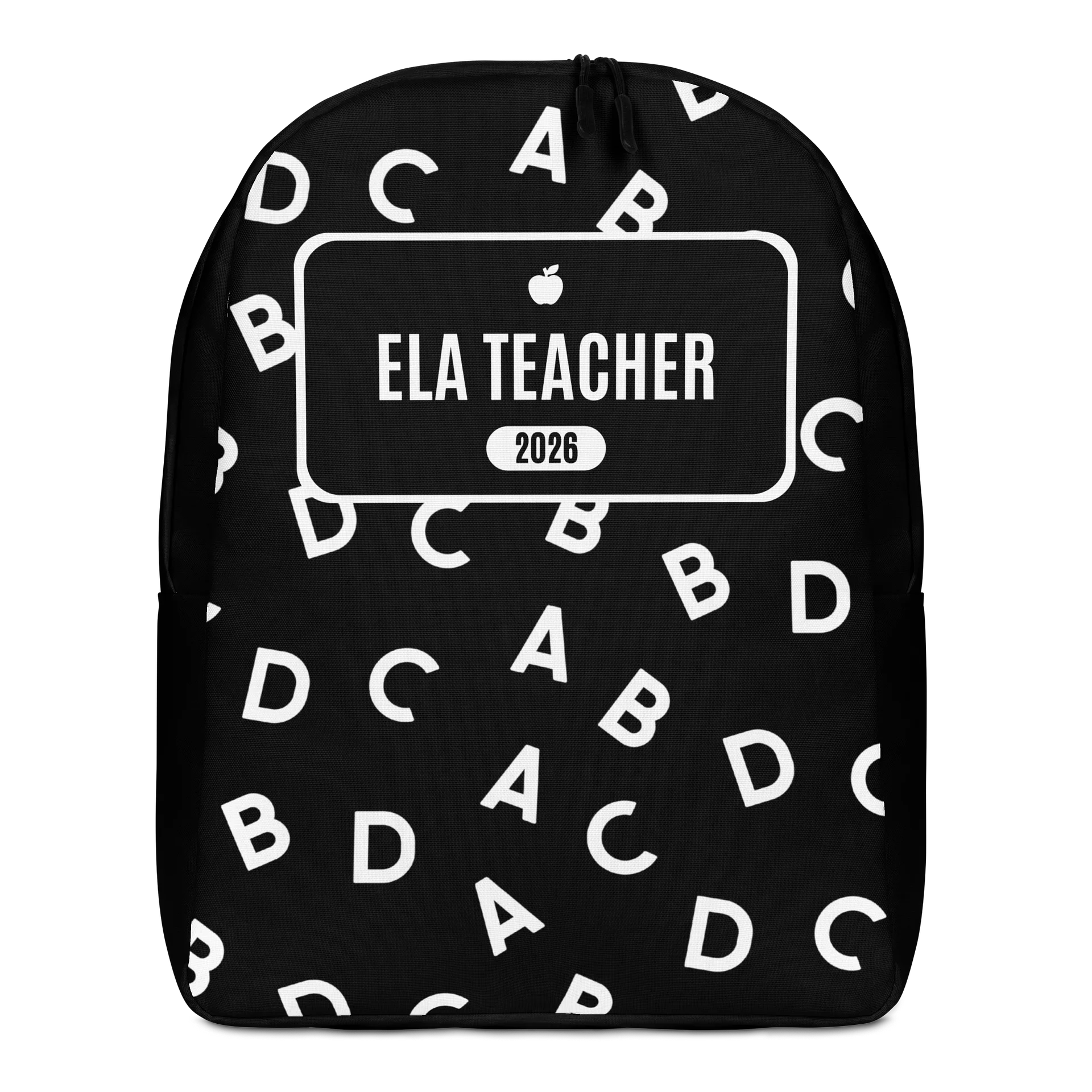
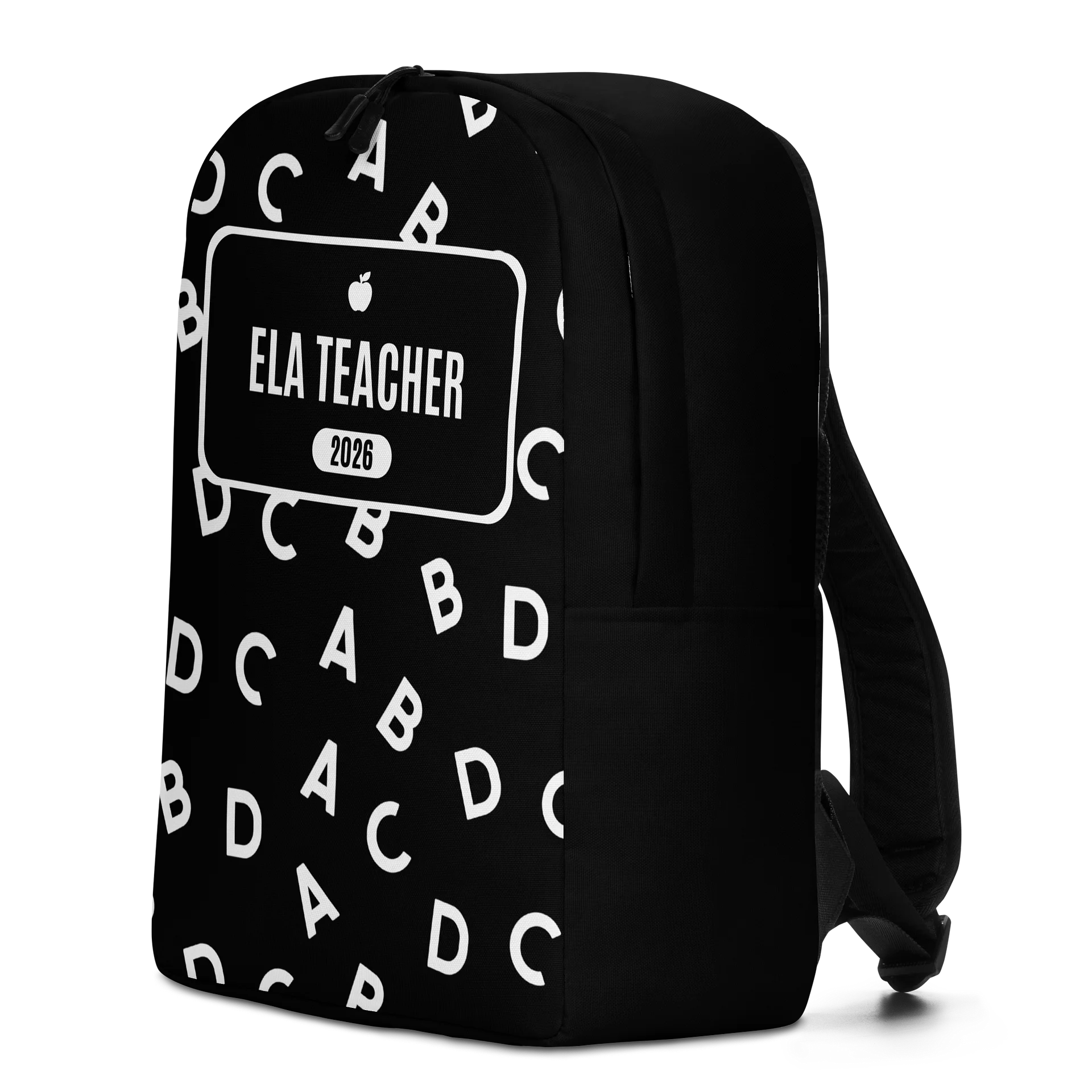
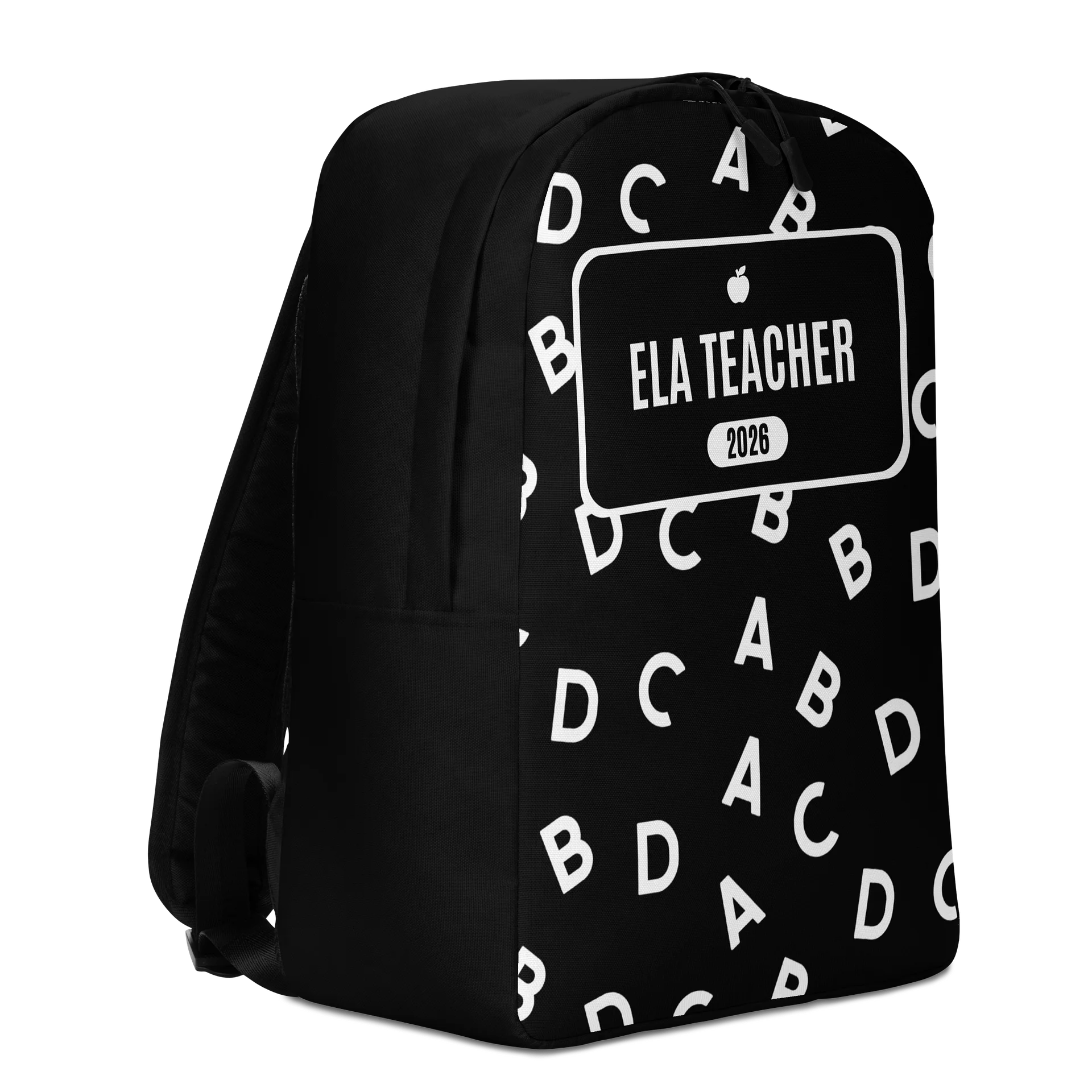
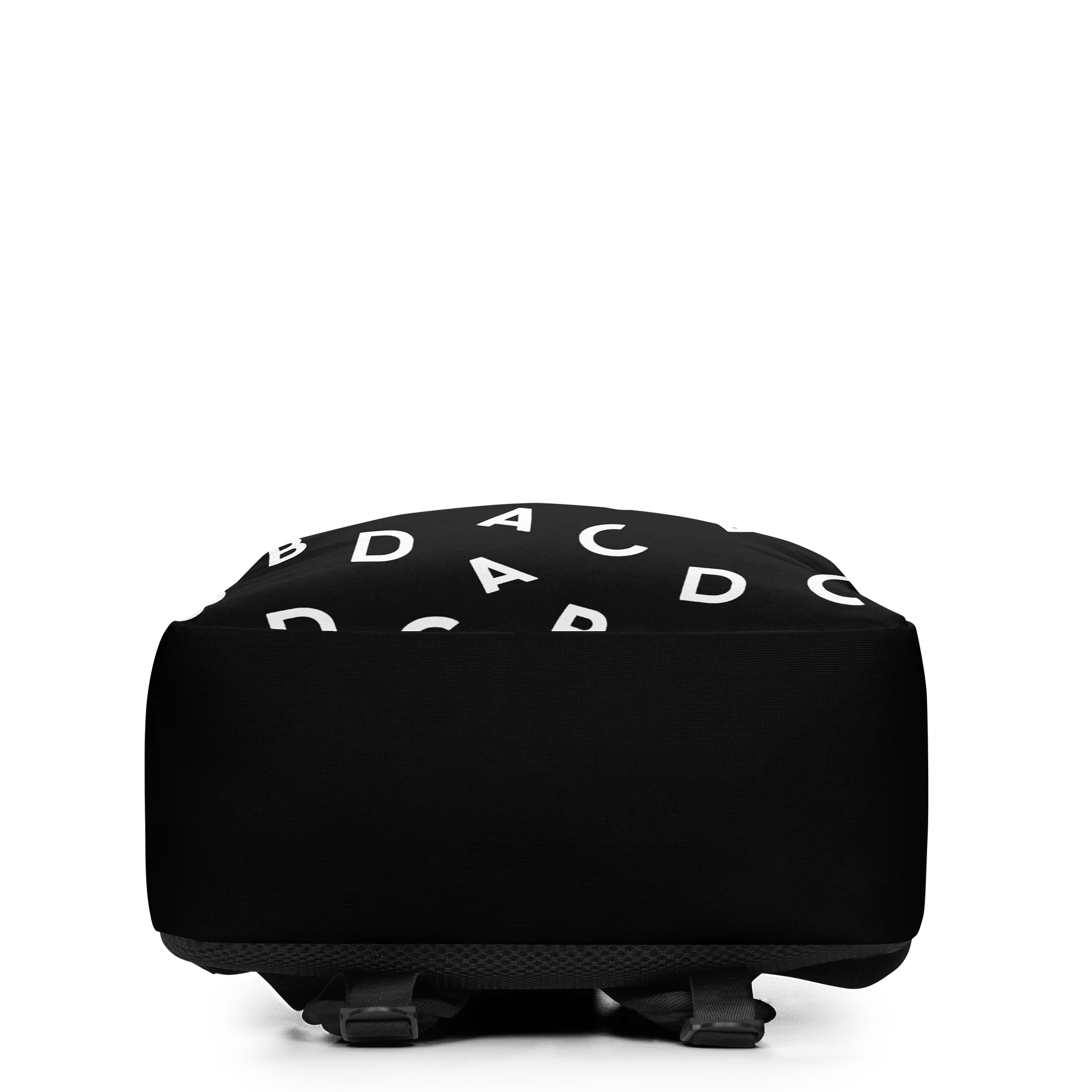
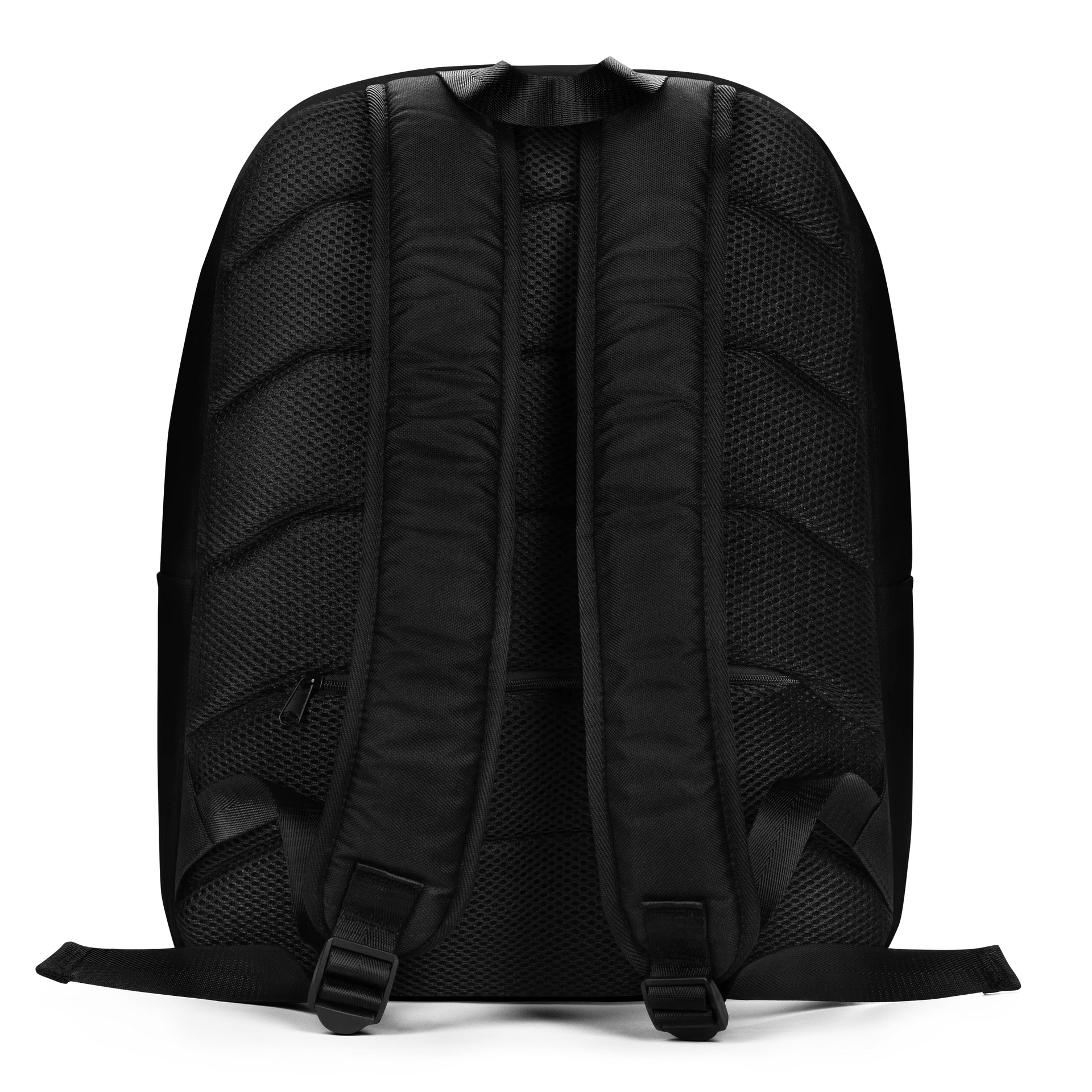
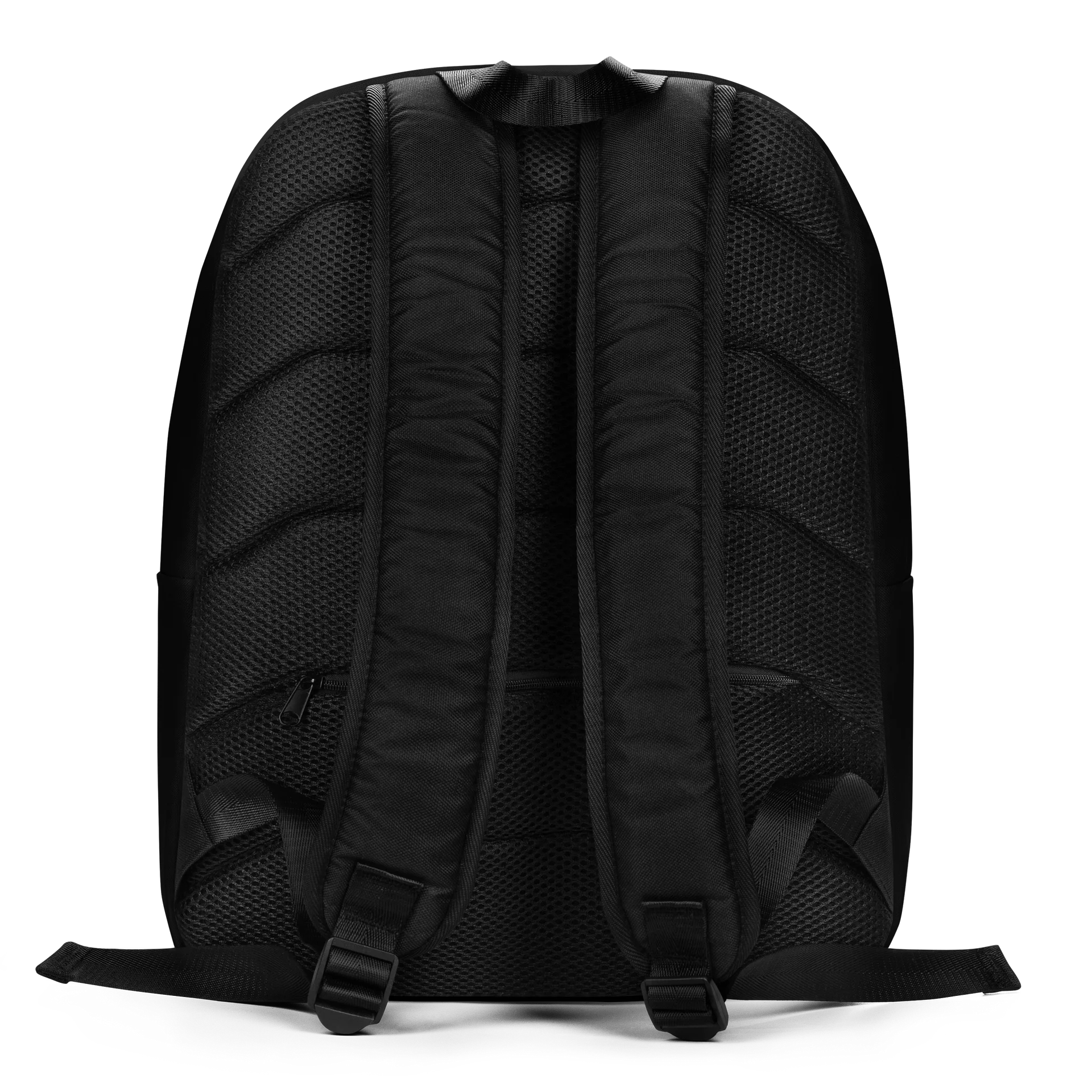
ELA Teacher Backpack - Back to School Alphabet Pattern Bag, Teacher Gift 2026
Every great writer had an English teacher who believed in them first.
This all-over print backpack was made for the educator who lives by the word. The entire front panel is covered in a bold letterforms rendered in sharp white line art against a clean black background. The front badge says exactly who carries this: an apple icon, ELA TEACHER in bold block type, and 2026 in a clean pill label below.
Inside, a dedicated 15-inch laptop sleeve handles your device, a hidden back zipper pocket keeps your valuables secure, and the water-resistant exterior takes care of the rest. With a 44-pound capacity and padded shoulder straps, this bag is built to carry everything your school day demands.
A meaningful back-to-school gift, teacher appreciation present, or personal statement piece for the English educator who turns reading and writing into something students never forget.
What subject do you teach? Browse the full Subject Area: Teacher Edition collection to find your version.
Details
- All-over print on 100% polyester
- Dimensions: 16.1 inches tall, 12.2 inches wide, 5.5 inches deep
- 20-liter capacity, holds up to 44 lbs
- Dedicated 15-inch laptop pocket inside main compartment
- Hidden zipper pocket on back panel
- Water-resistant fabric
- Ships from the US and EU
🎨 COLOR
We take great care to ensure that all product and design colors are represented as accurately as possible. However, please keep in mind that individual computer monitor settings may cause colors to appear slightly different.
📩 FEEDBACK
If you have any inquiries or require further information, please do not hesitate to contact us. We are here to assist and address any questions you may have. Feel free to reach out at your convenience, and we'll be more than happy to help.
THANK YOU
We deeply appreciate your support. By choosing to support our small business, you are helping us pursue our passion and deliver quality products. Thank you for being a valued part of our journey.
6. How Do Teachers Introduce Classroom Expectations?
Instead of simply reading a list of rules, model the behaviors you expect. Demonstrate what respectful discussions, group work, classroom transitions, and asking for help should look like.
Give students opportunities to practice and receive feedback. Some teachers even involve students in creating classroom agreements, which can increase ownership and accountability.
Rules are easier to follow when students understand the purpose behind them.
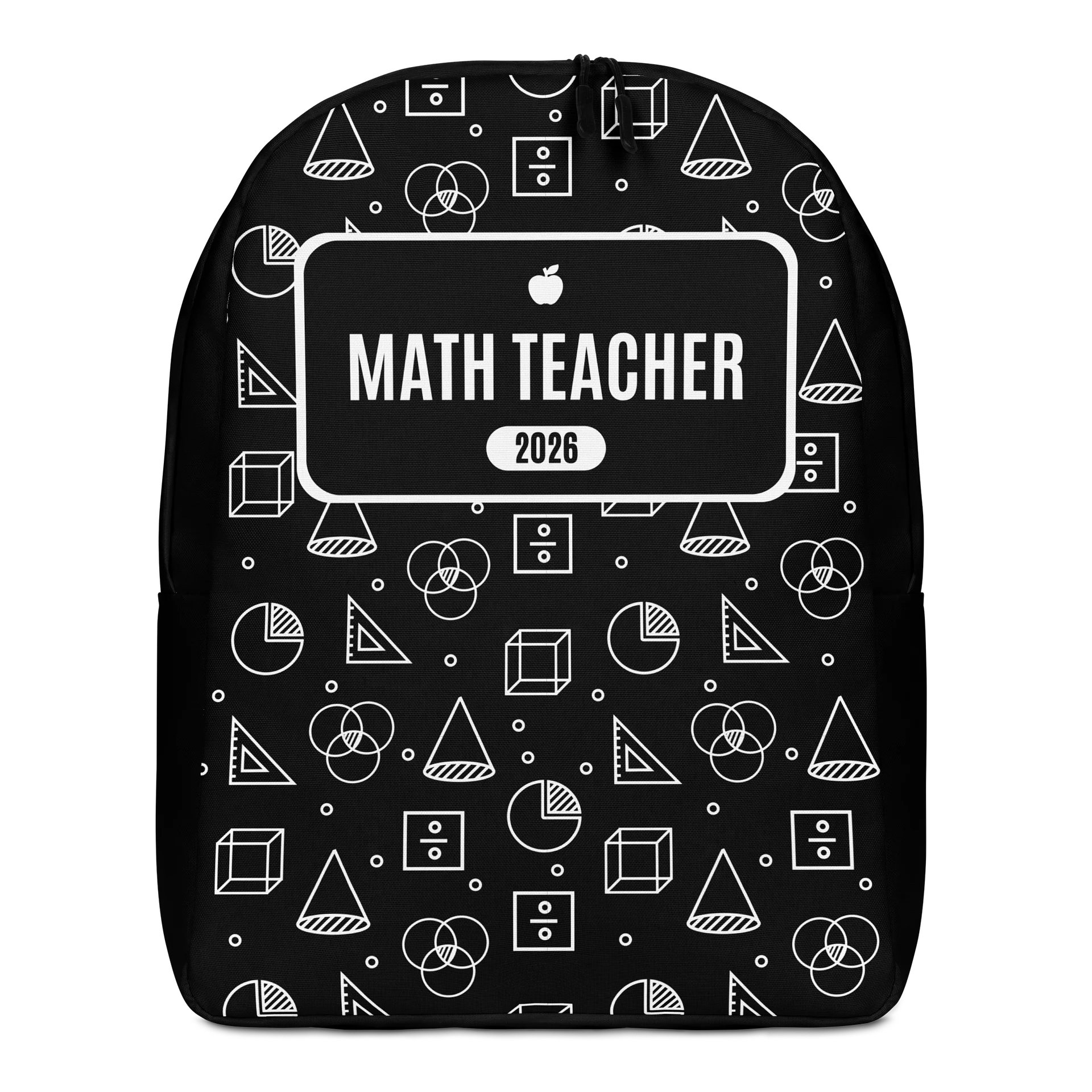
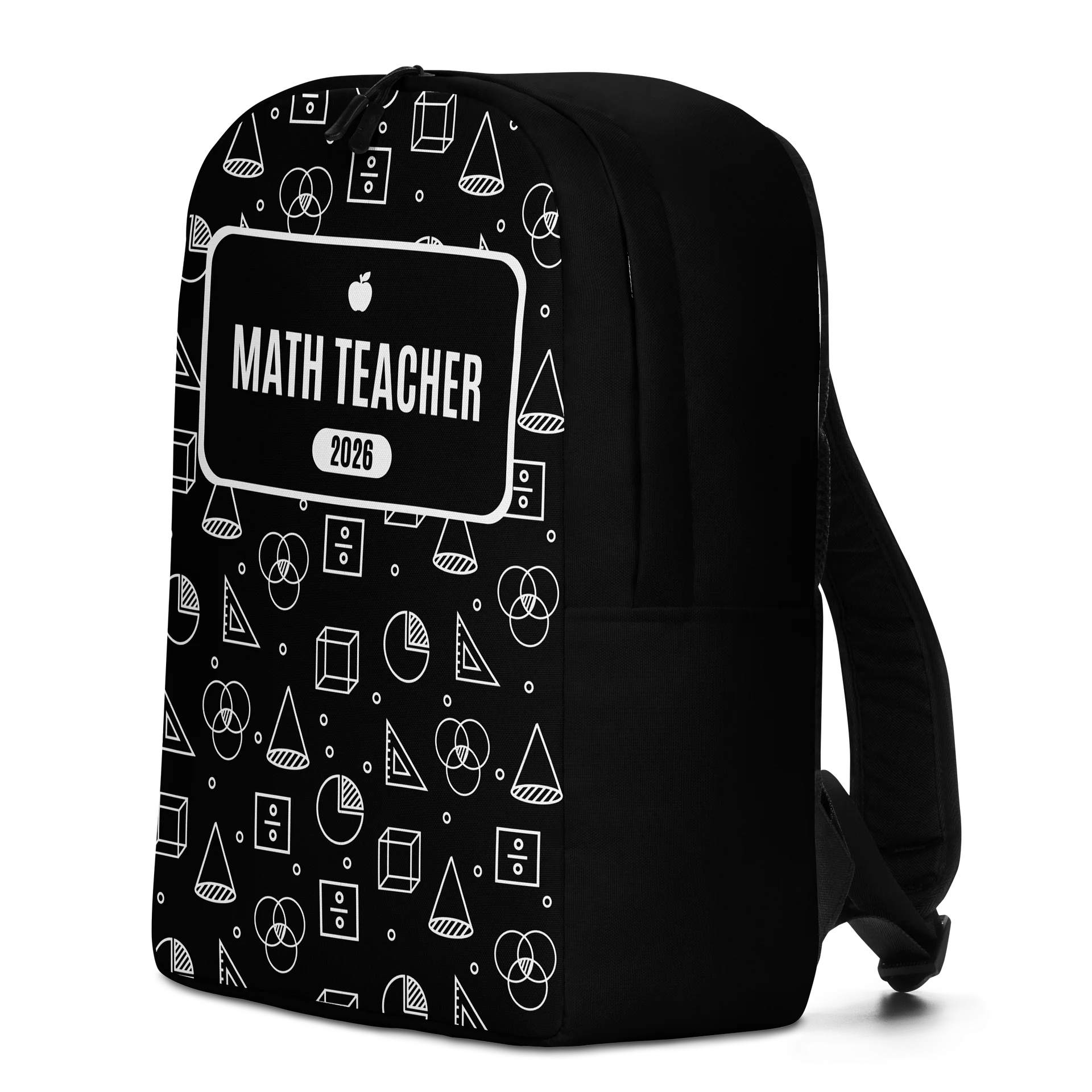
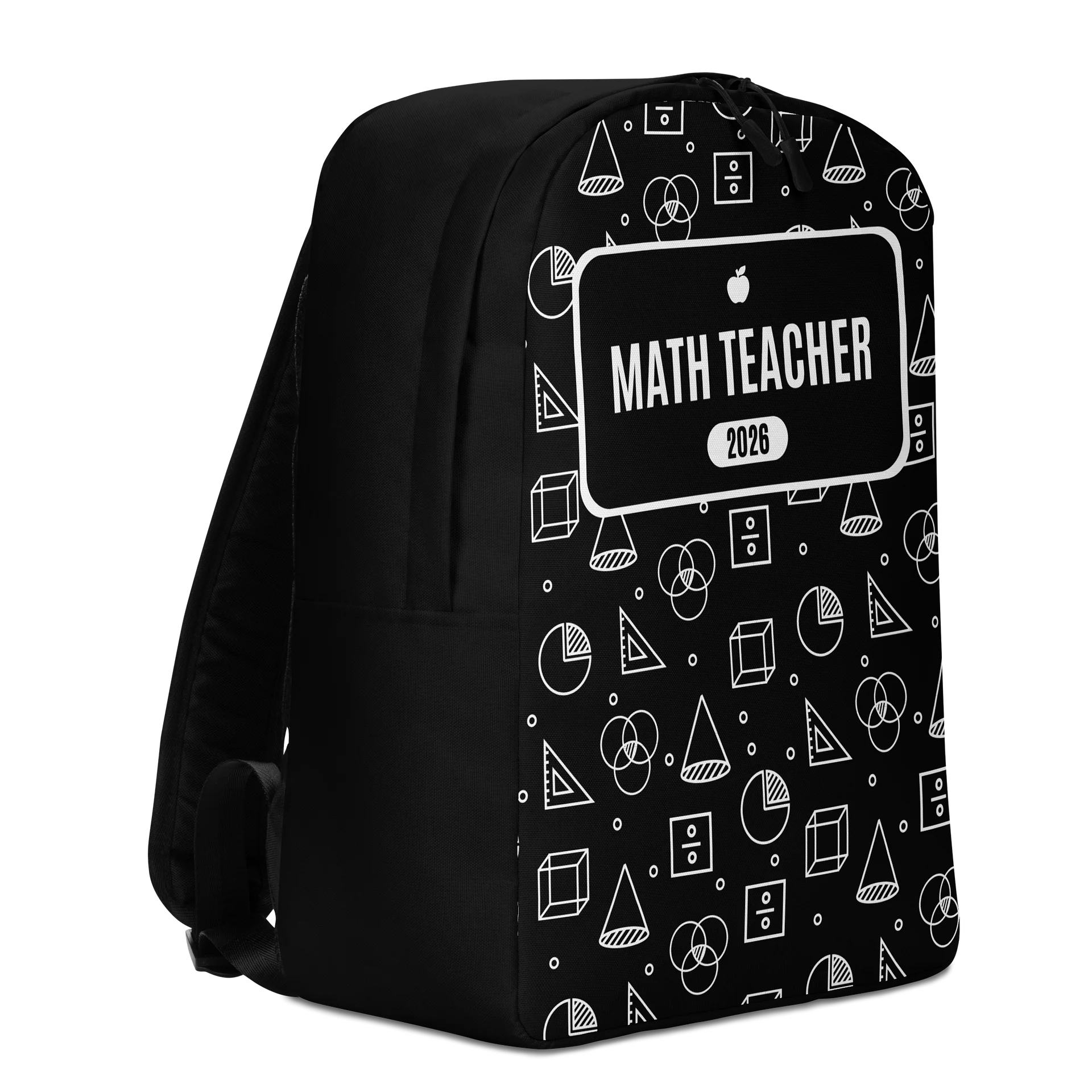
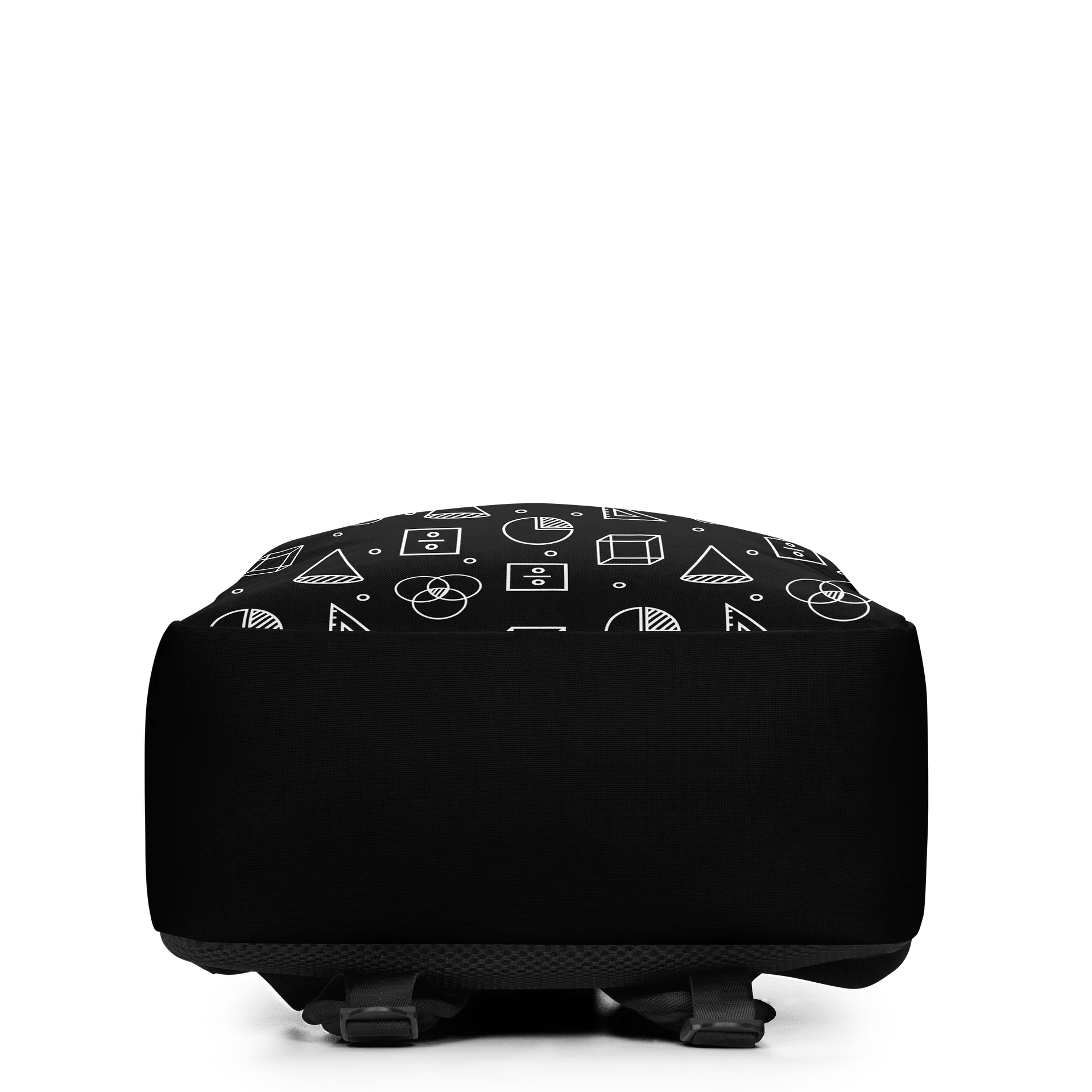
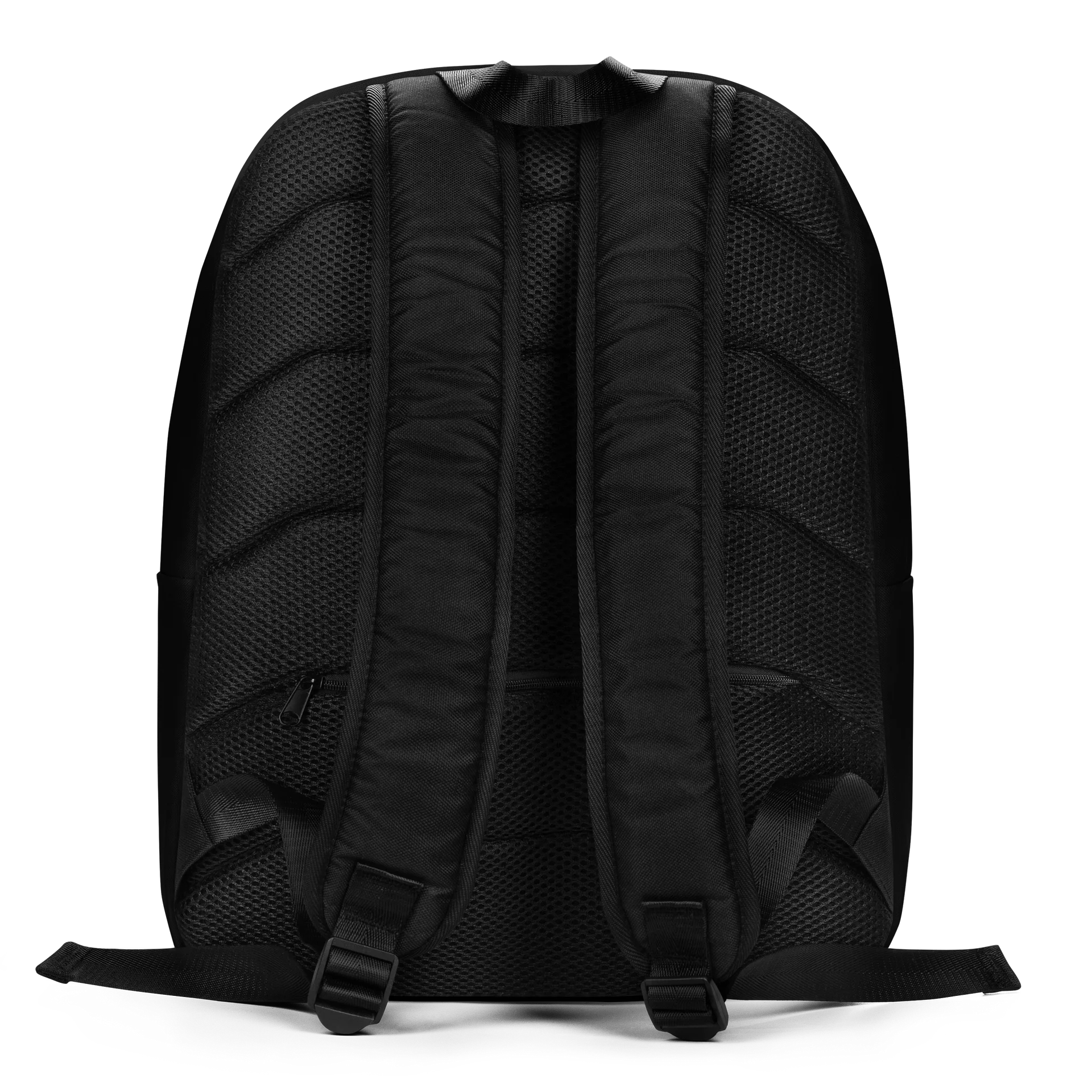
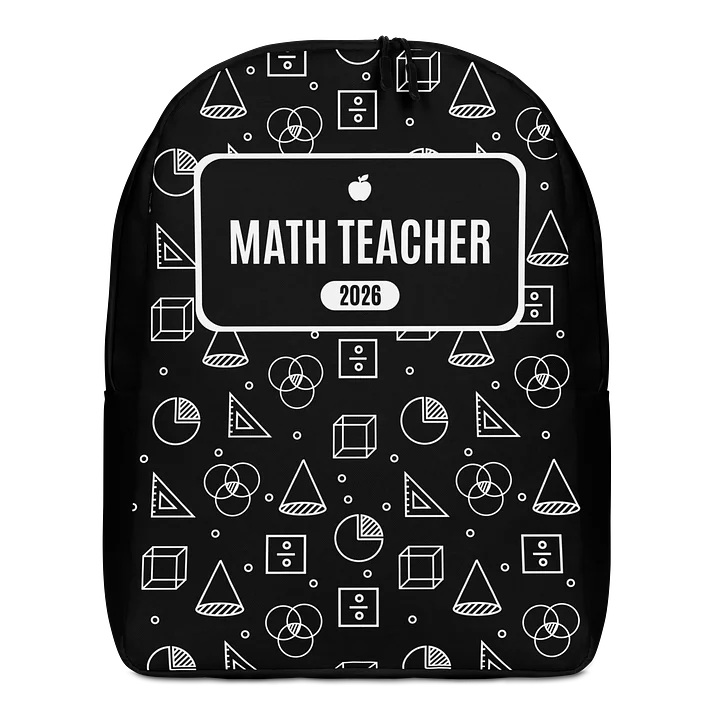
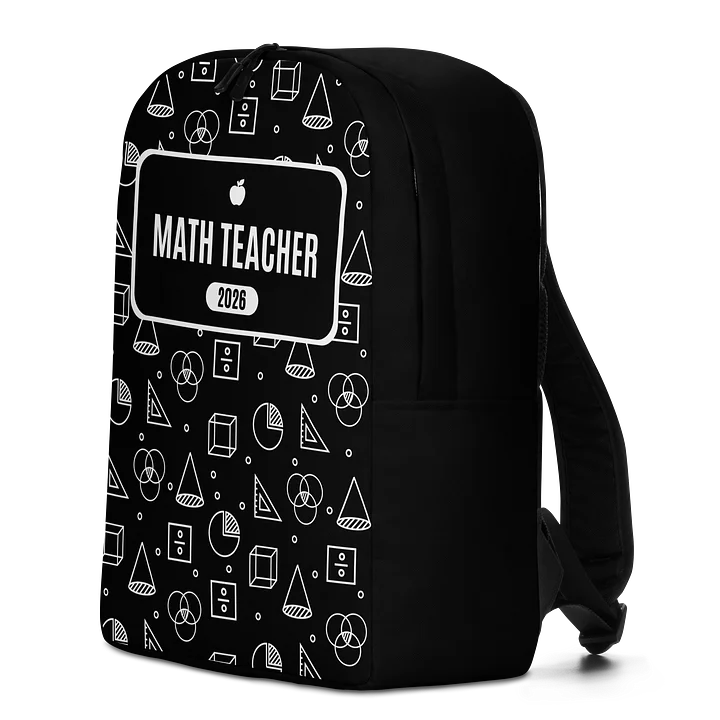
Math Teacher Backpack - Back to School Geometric Pattern Bag, Teacher Gift 2026
This is the backpack that walks into the classroom and does the talking for you.
Designed for math teachers who take their subject seriously and their style even more so, this all-over print backpack wraps the entire front panel in a bold geometric pattern rendered in crisp white line art against a sleek black background. The front badge says exactly who this belongs to: a centered apple icon, MATH TEACHER in bold block type, and the class year 2026 in a clean pill label underneath.
Built for the full school day, this bag holds everything on your list. There is a large main compartment with a dedicated 15-inch laptop sleeve, a hidden zipper pocket on the back panel for your keys, badge, and valuables, and a water-resistant exterior that handles morning commutes and rainy parking lots without a second thought. It carries up to 44 pounds and still stays comfortable on your shoulders.
This makes an outstanding back-to-school gift, a new-teacher welcome present, or an end-of-year treat for the math educator who shapes problem-solvers every single day.
What subject do you teach? Browse the full Teacher Collection to find your version.
Details
- All-over print on 100% polyester
- Dimensions: 16.1 inches tall, 12.2 inches wide, 5.5 inches deep
- 20-liter capacity, holds up to 44 lbs
- Dedicated 15-inch laptop pocket inside main compartment
- Hidden zipper pocket on back panel
- Water-resistant fabric
- Ships from the US and EU
7. How Can New Teachers Prepare for Back to School Without Feeling Overwhelmed?
New teachers do not need to have every answer on day one. Focus on planning the first week instead of the entire year.
Find a mentor, ask experienced colleagues for advice, organize your materials, and build routines that work for you. Educational research shows that mentorship and collaboration improve teacher confidence and retention.
Remember, even veteran teachers occasionally forget where they put the attendance sheet.
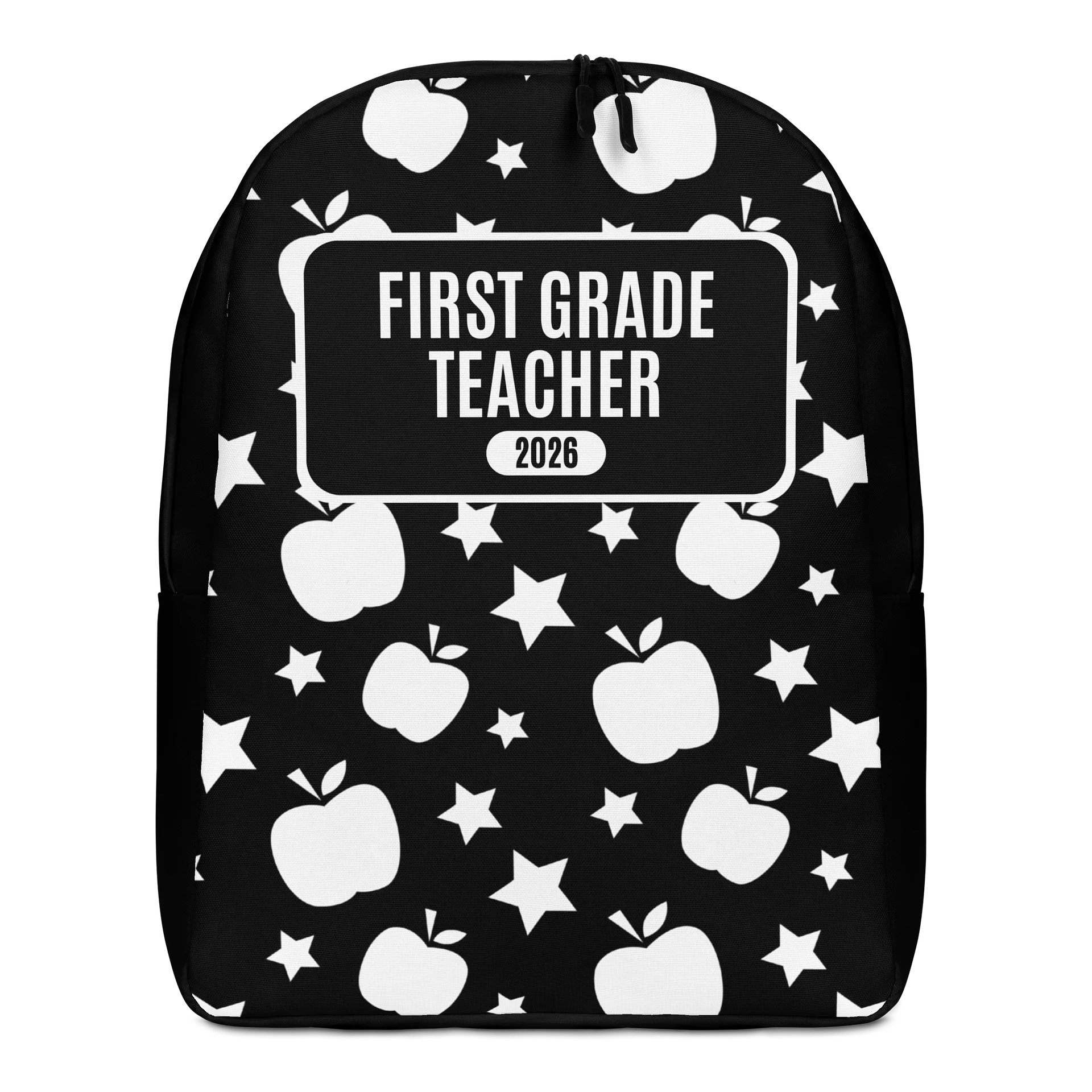
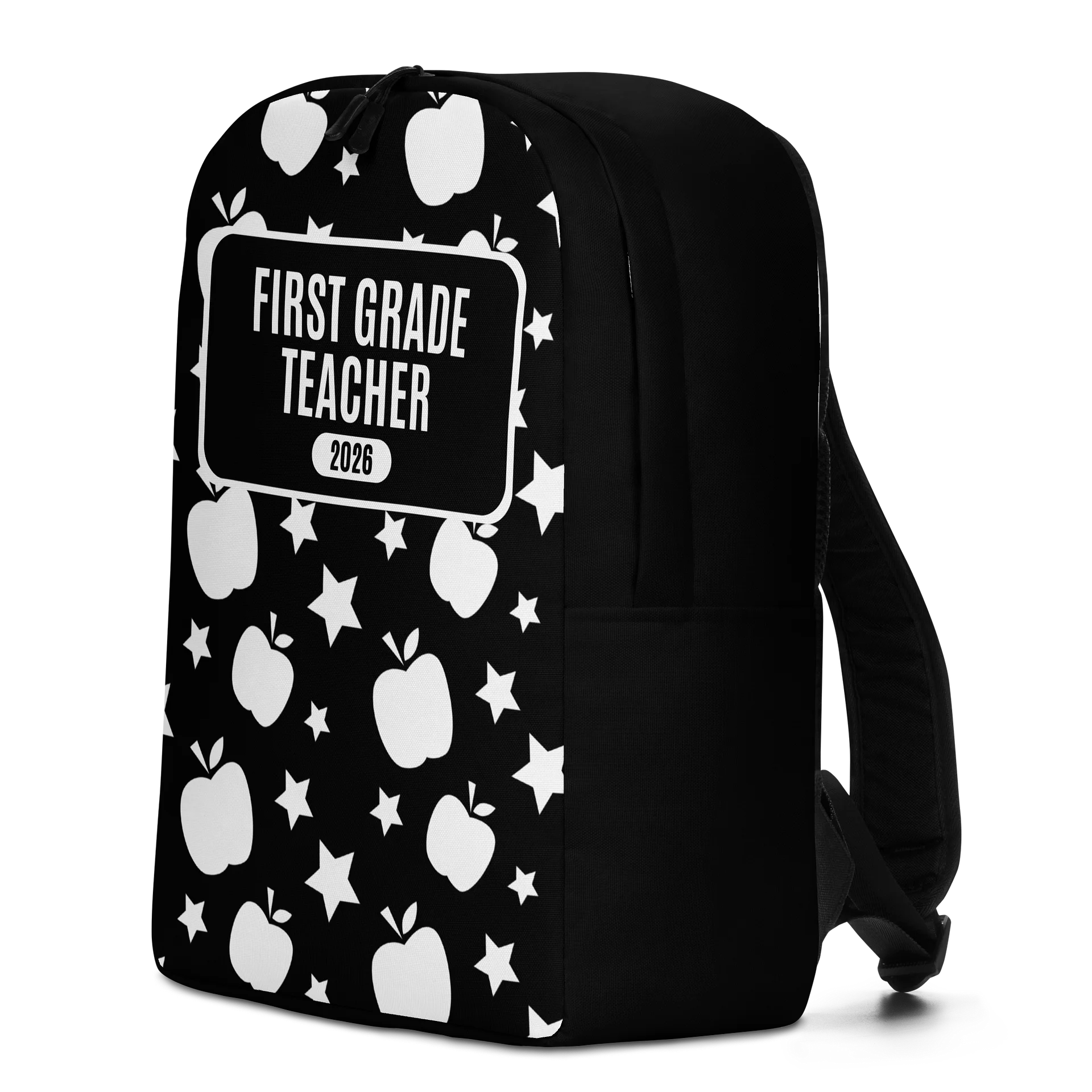
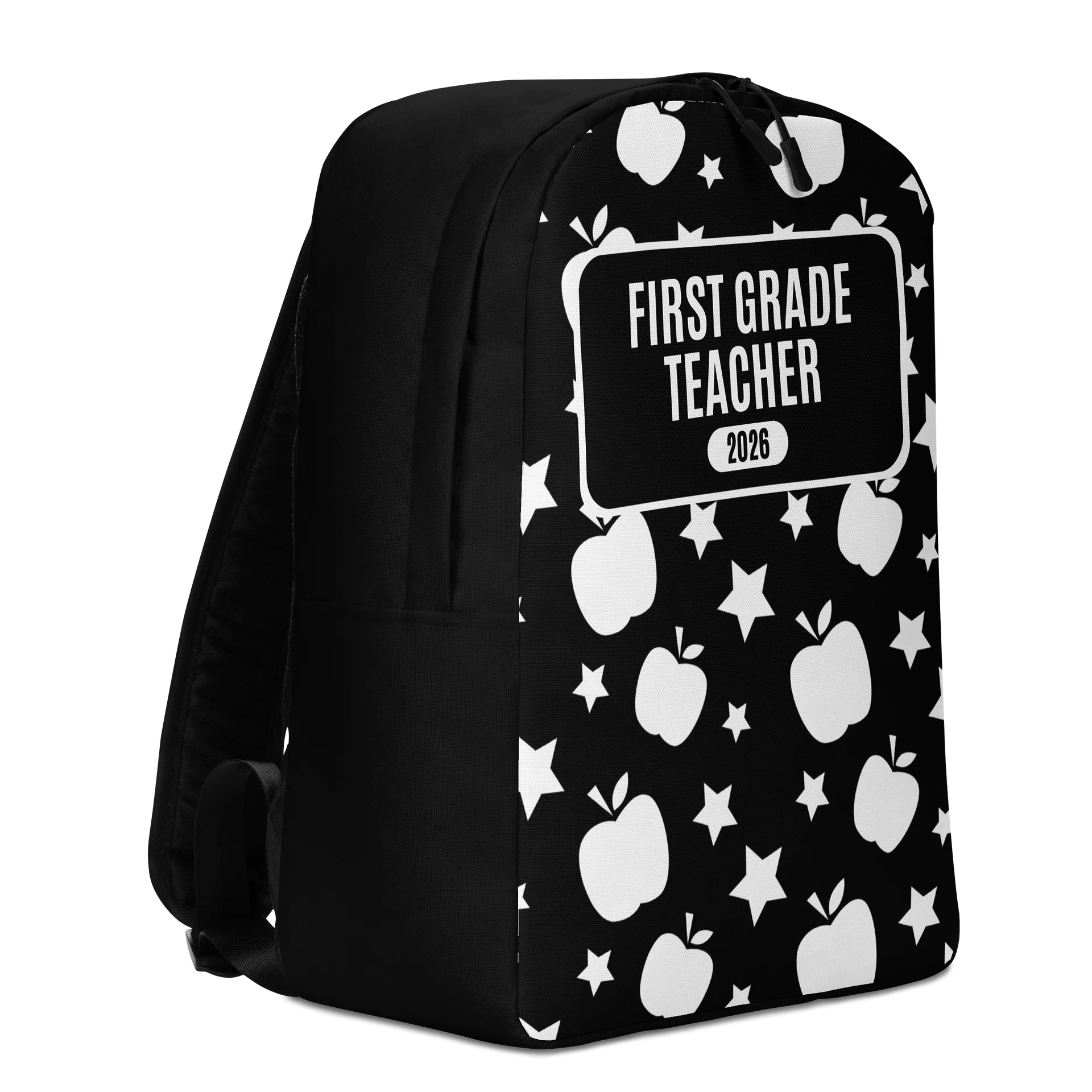
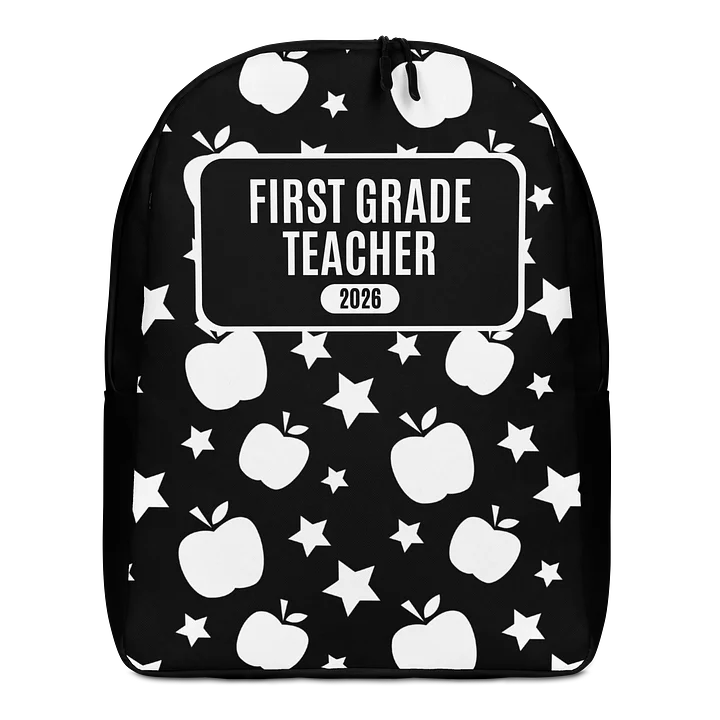
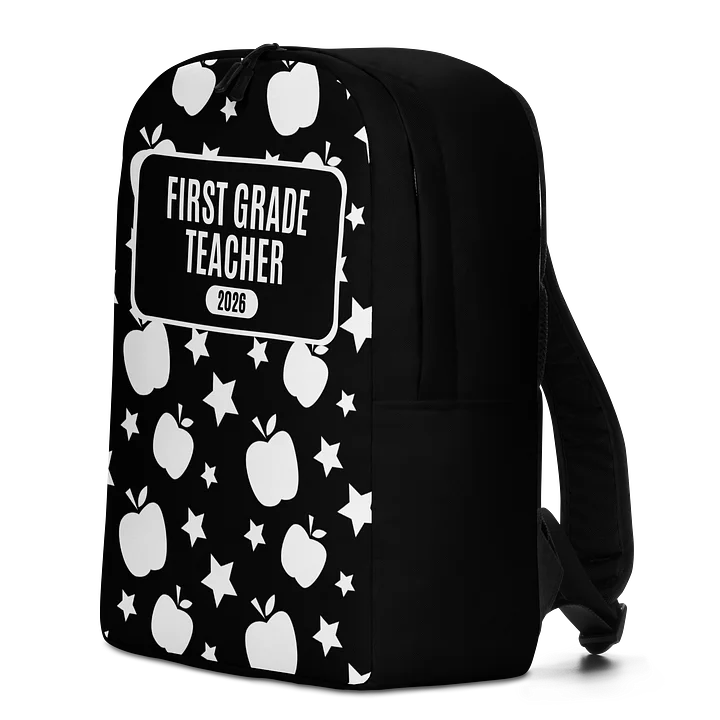
First Grade Teacher Backpack - Back to School Apple and Stars Pattern Bag, Teacher Gift 2026
First grade teachers don't just teach reading and counting. They teach kids how to love school.
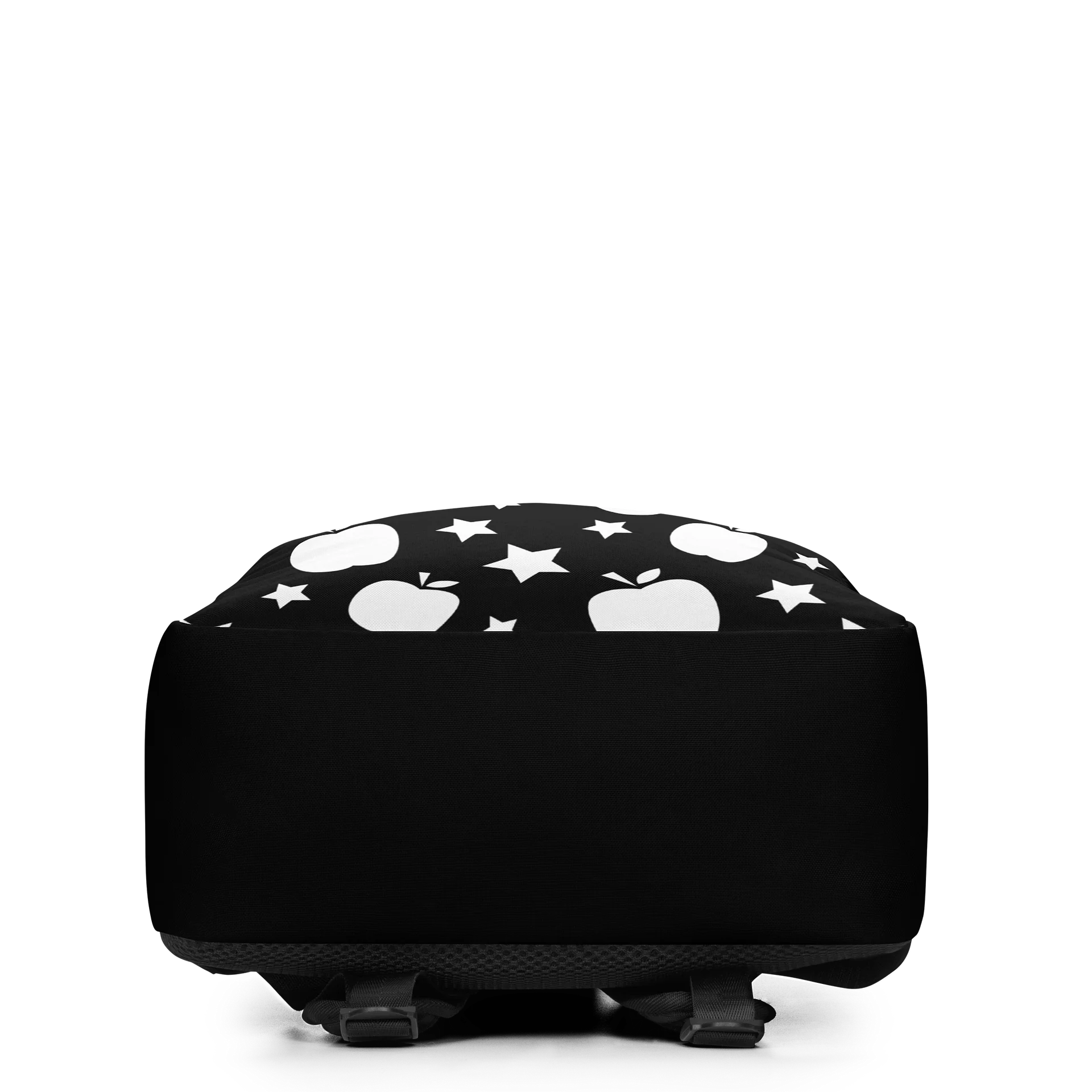
This all-over print backpack was built for the educator who gets the most important year. The front panel is wrapped in a apples and stars, rendered in clean white line art against a bold black background. The front badge centers the identity: FIRST GRADE TEACHER in block type with the year 2026 in a clean pill label below.
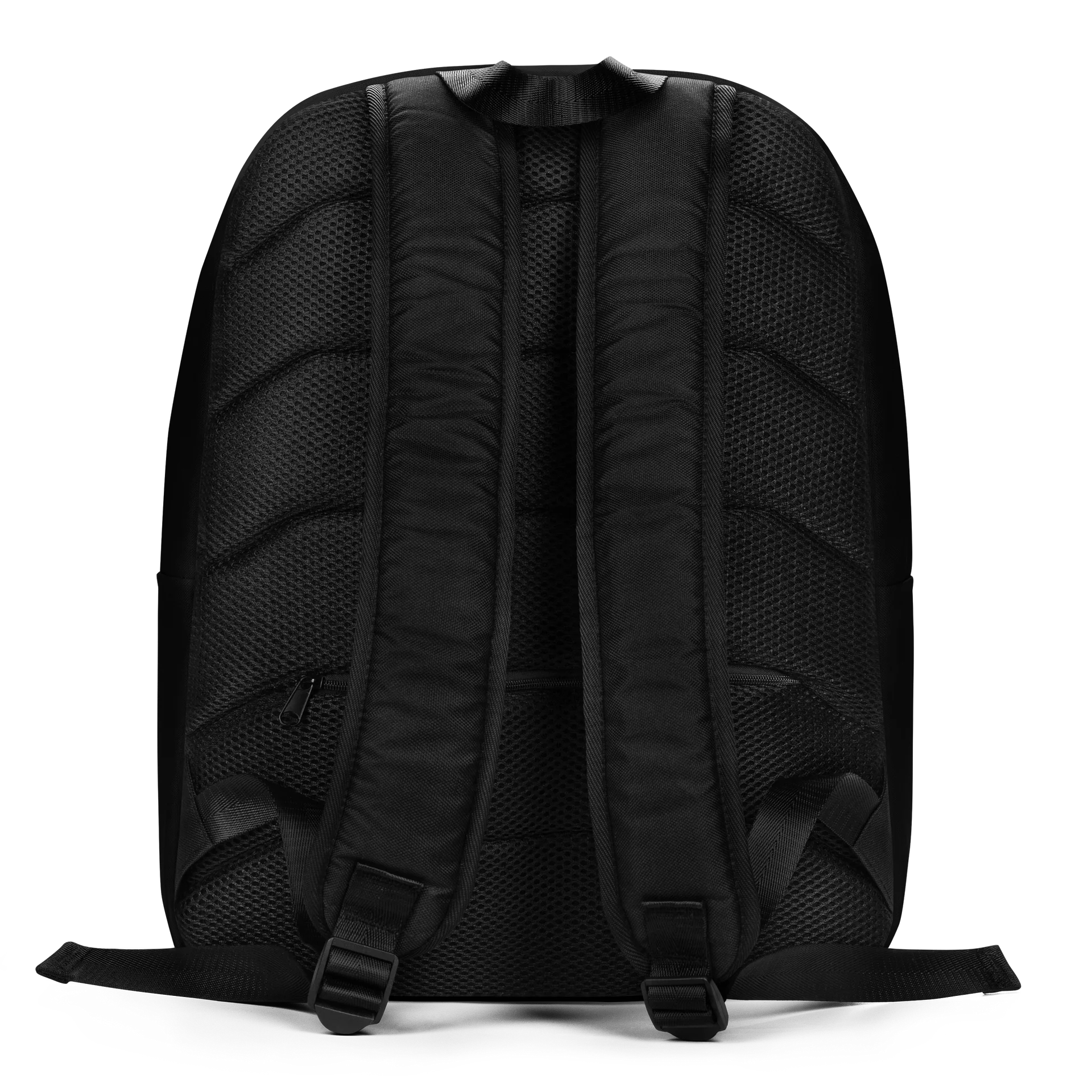
Built to carry everything a first-grade classroom requires, this bag features a dedicated 15-inch laptop sleeve, a hidden back pocket for your badge, keys, and valuables, and water-resistant fabric that handles every kind of school day. The padded shoulder straps and 44-pound capacity make it as practical as you are.
A standout back-to-school gift, teacher appreciation present, or personal reward for the first grade educator who plants the seed for everything that comes after.
Details
- All-over print on 100% polyester
- Dimensions: 16.1 inches tall, 12.2 inches wide, 5.5 inches deep
- 20-liter capacity, holds up to 44 lbs
- Dedicated 15-inch laptop pocket inside main compartment
- Hidden zipper pocket on back panel
- Water-resistant fabric
- Ships from the US and EU
8. What Should Teachers Include in a Welcome Letter to Parents?
A strong welcome letter introduces yourself, shares your teaching philosophy, explains classroom expectations, outlines communication methods, and provides important dates or supply information.
Keep the tone warm, professional, and inviting. Parents appreciate knowing how and when they can contact you. Setting communication expectations early helps build trust and creates a stronger partnership throughout the school year.
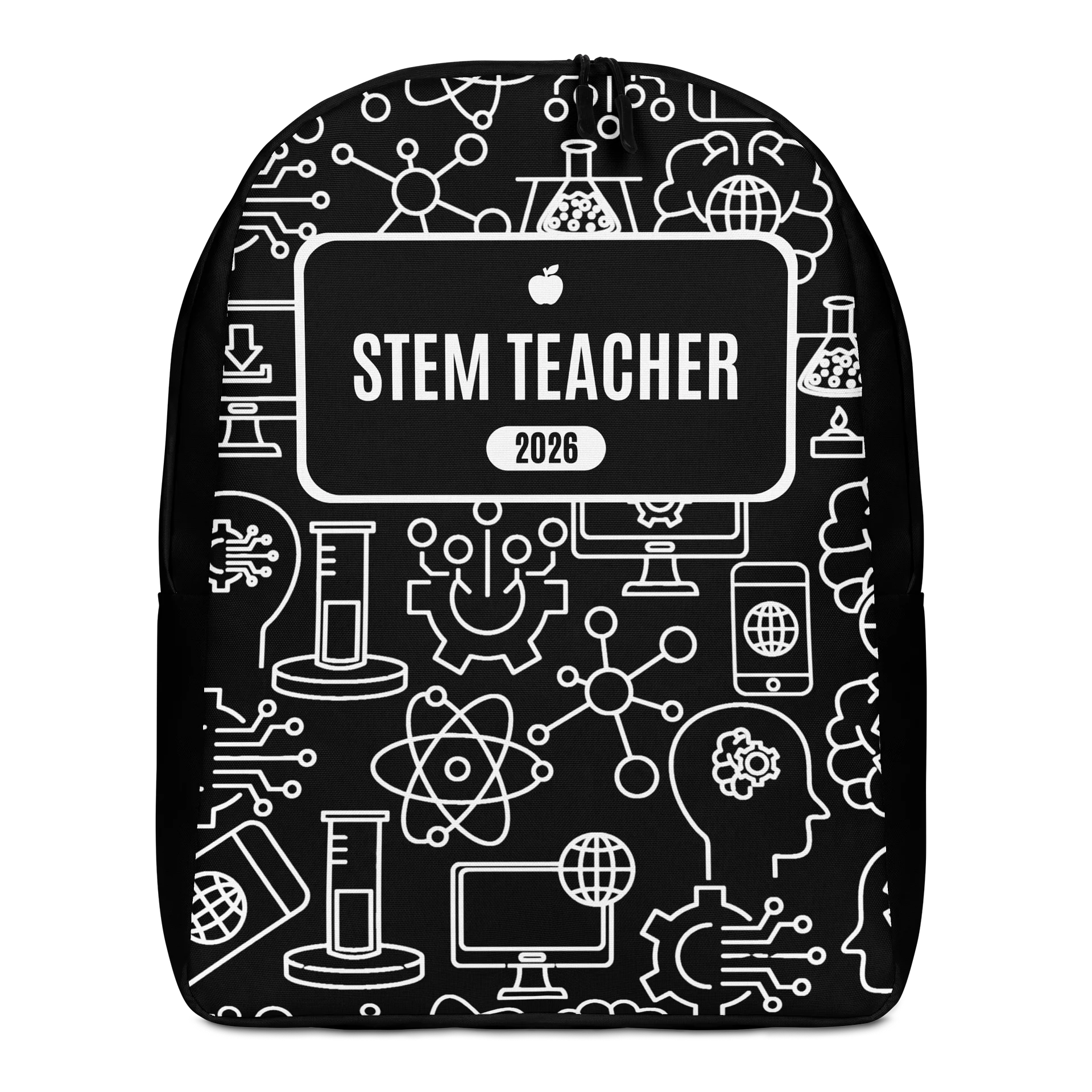
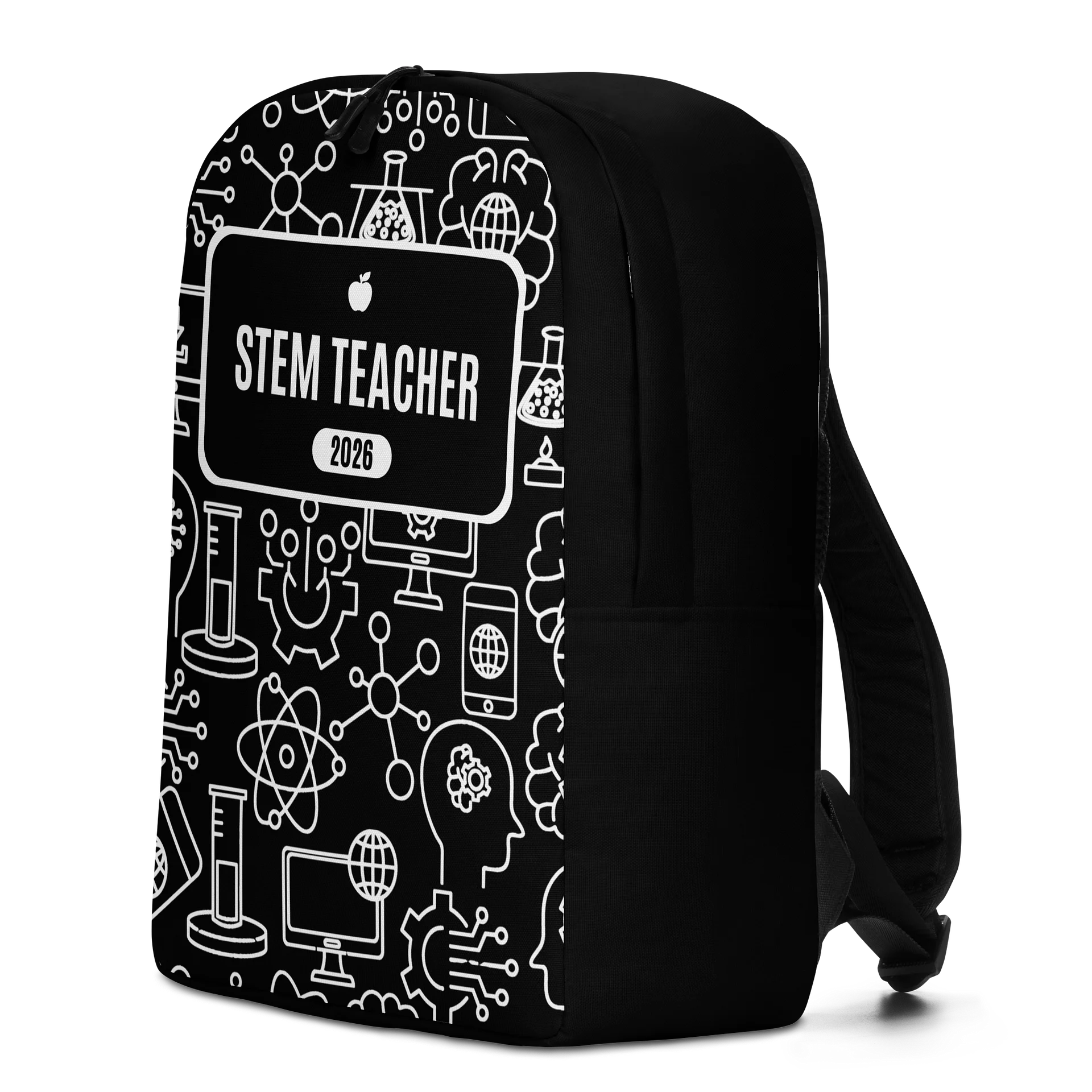
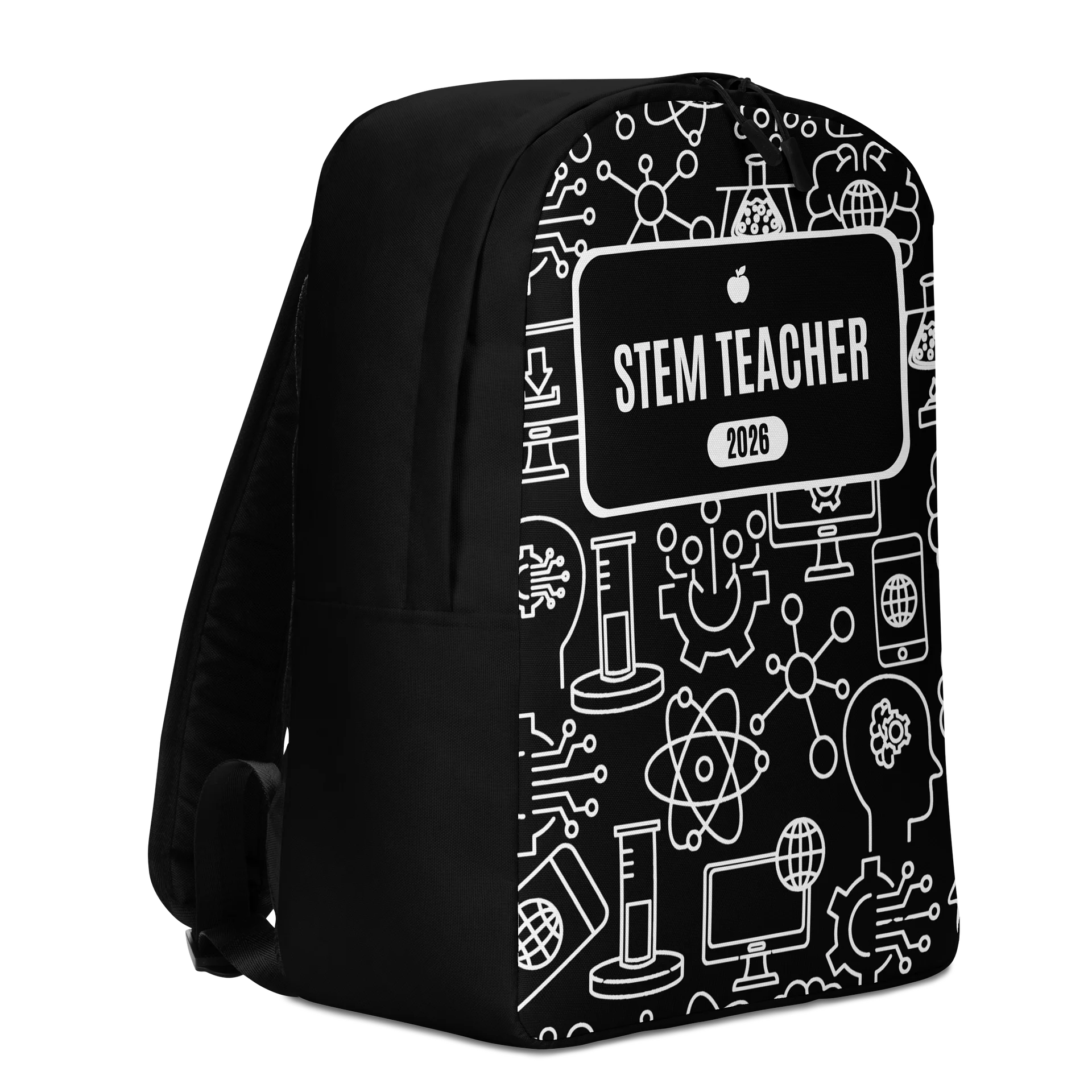
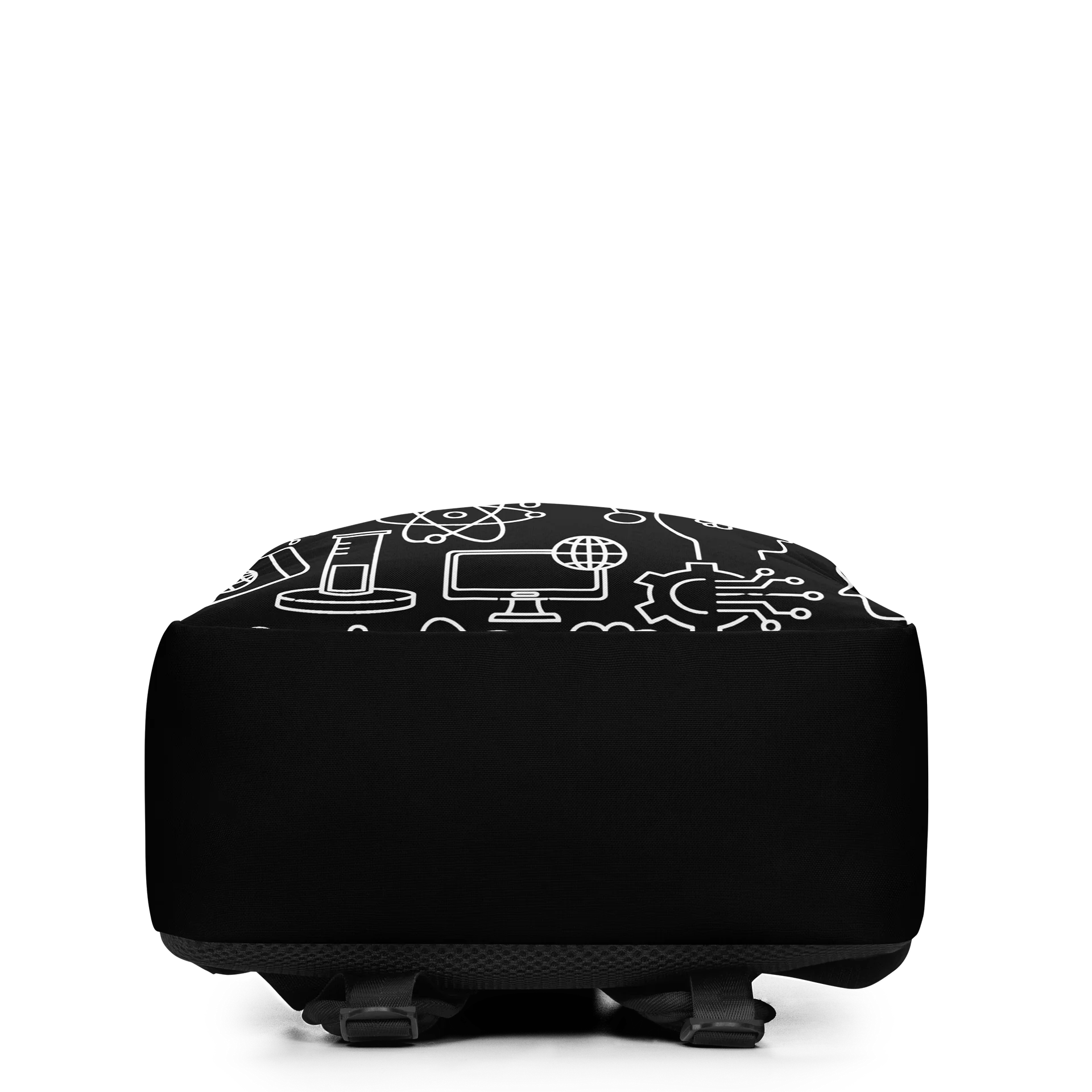
STEM Teacher Backpack - Back to School Book Bag, Teacher Gift 2026
The engineers, coders, and inventors of tomorrow are sitting in your classroom right now.
This all-over print backpack was designed for the educator building the next generation of thinkers. The entire front panel is wrapped in a bold STEM pattern, rendered in sharp white line art against a clean black background. The front badge makes it official: an apple icon, STEM TEACHER in bold block type, and 2026 in a clean pill label below.
Built for educators who move fast and carry a lot, this bag includes a dedicated 15-inch laptop sleeve, a hidden back zipper pocket for your badge, keys, and valuables, and water-resistant fabric that handles every kind of commute. It holds up to 44 pounds and rides comfortably through even the longest school day.
A sharp back-to-school gift, teacher appreciation present, or well-earned statement piece for the STEM educator who shows students what's possible.
What subject do you teach? Browse the full Subject Area: Teacher Edition collection to find your version.
Details
- All-over print on 100% polyester
- Dimensions: 16.1 inches tall, 12.2 inches wide, 5.5 inches deep
- 20-liter capacity, holds up to 44 lbs
- Dedicated 15-inch laptop pocket inside main compartment
- Hidden zipper pocket on back panel
- Water-resistant fabric
- Ships from the US and EU
🎨 COLOR
We take great care to ensure that all product and design colors are represented as accurately as possible. However, please keep in mind that individual computer monitor settings may cause colors to appear slightly different.
📩 FEEDBACK
If you have any inquiries or require further information, please do not hesitate to contact us. We are here to assist and address any questions you may have. Feel free to reach out at your convenience, and we'll be more than happy to help.
THANK YOU
We deeply appreciate your support. By choosing to support our small business, you are helping us pursue our passion and deliver quality products. Thank you for being a valued part of our journey.
9. How Do Teachers Create a Positive Classroom Culture?
Positive classroom culture starts with respect, inclusion, and belonging.
Learn students' names quickly, celebrate effort as much as achievement, encourage collaboration, and make every student feel valued.
Research consistently shows that students who feel connected to their classroom are more engaged, motivated, and successful academically. Small daily interactions often have the biggest impact.
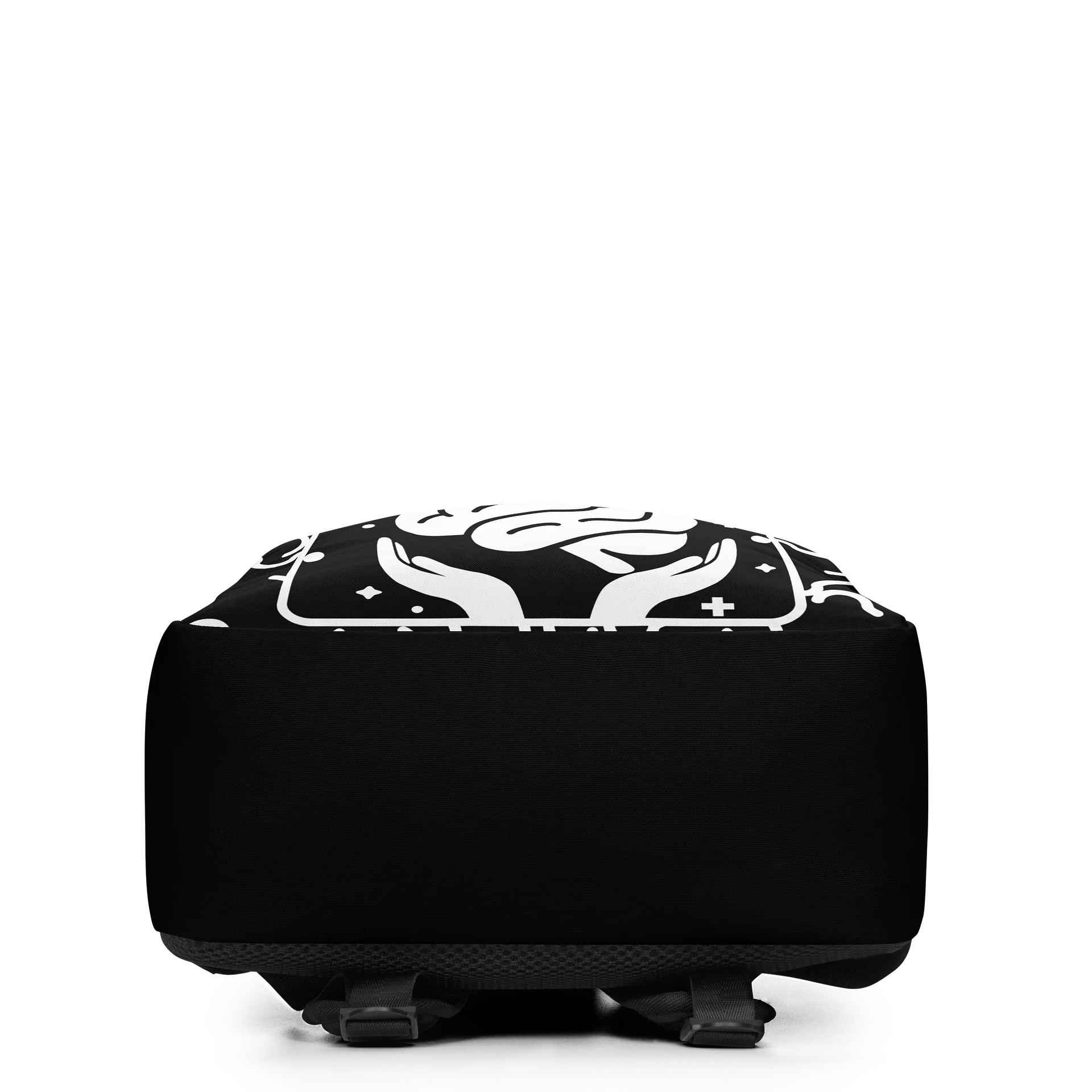
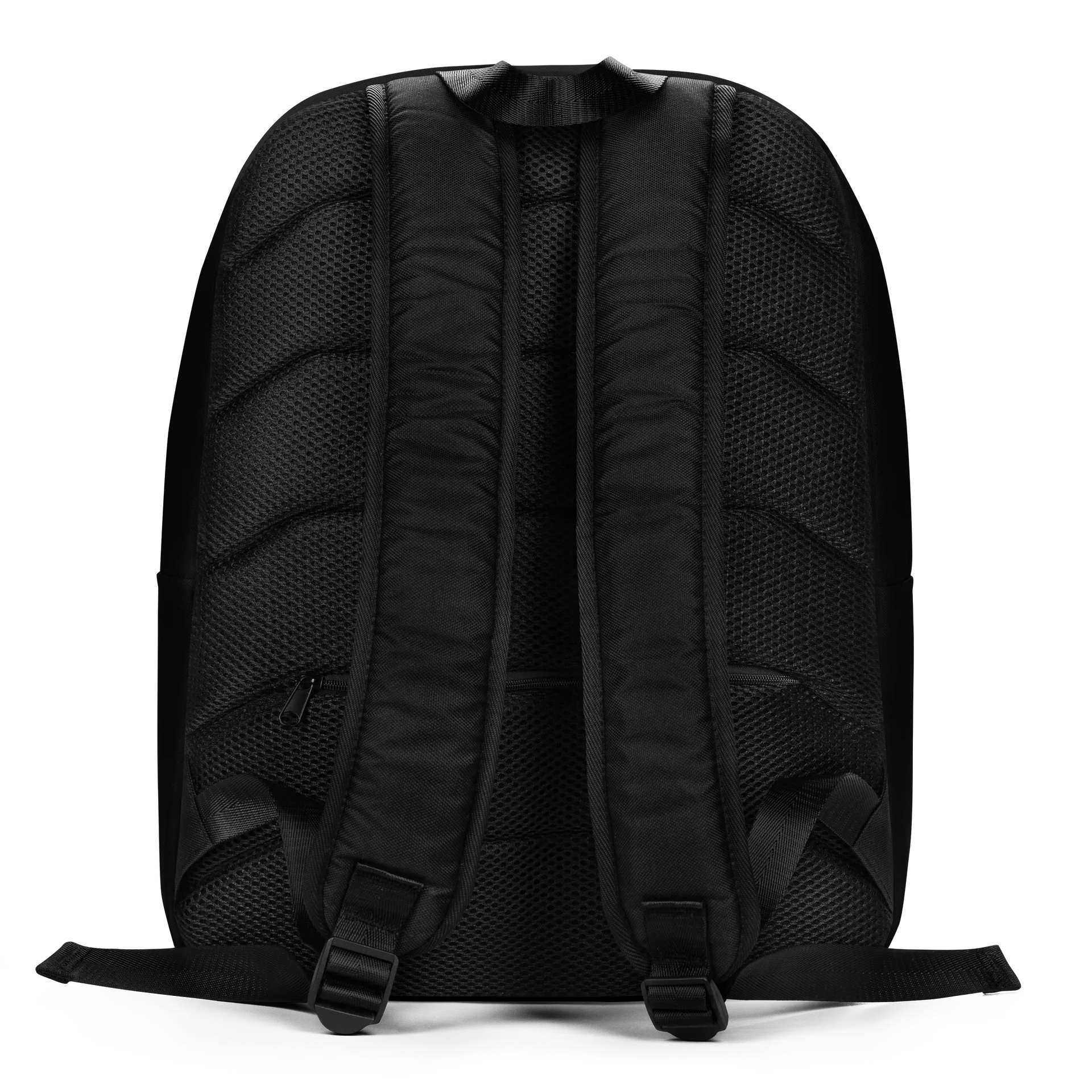
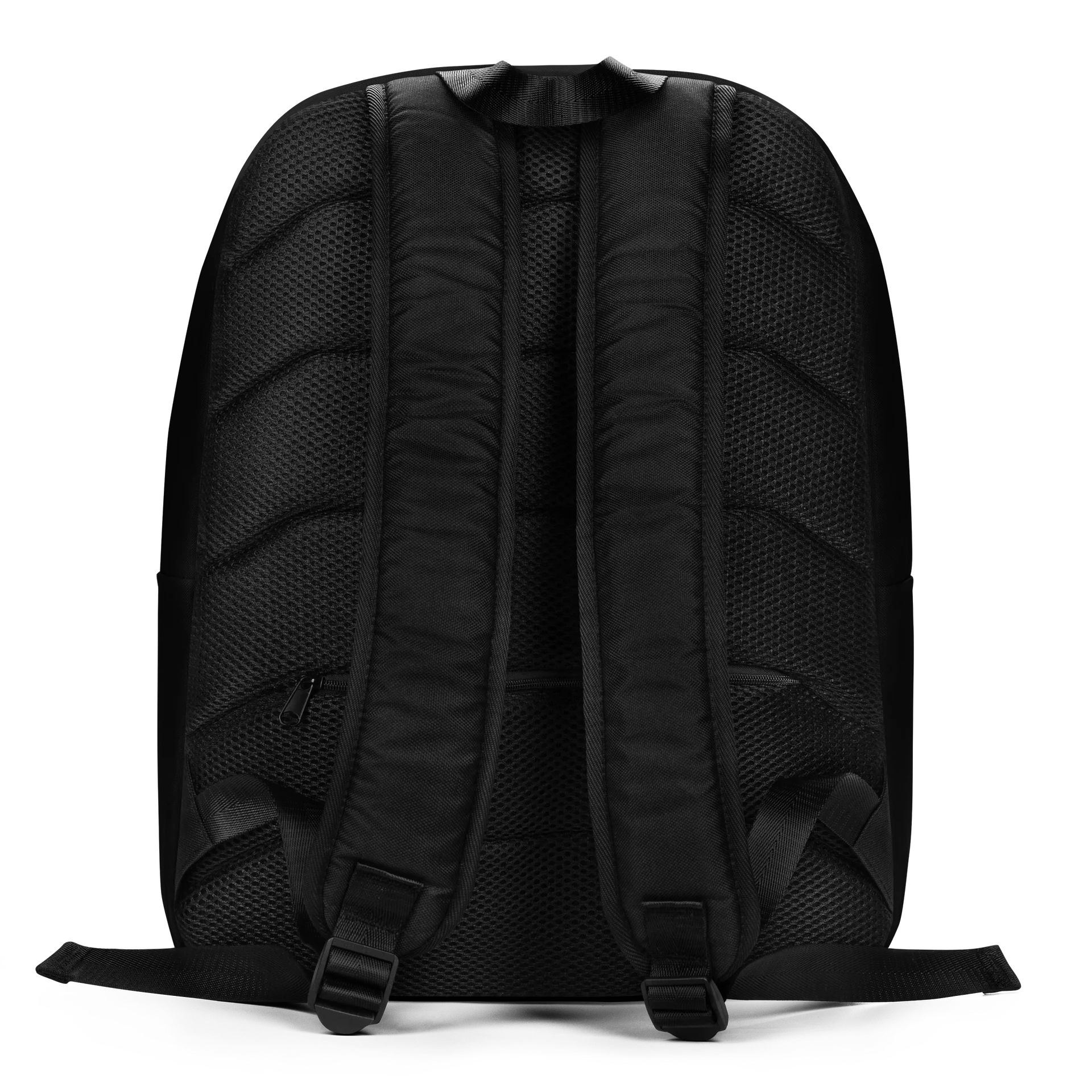
School Counselor Backpack - Back to School Book Bag, Psychologist Gift 2026
You don't get a textbook for what you do. You show up anyway.
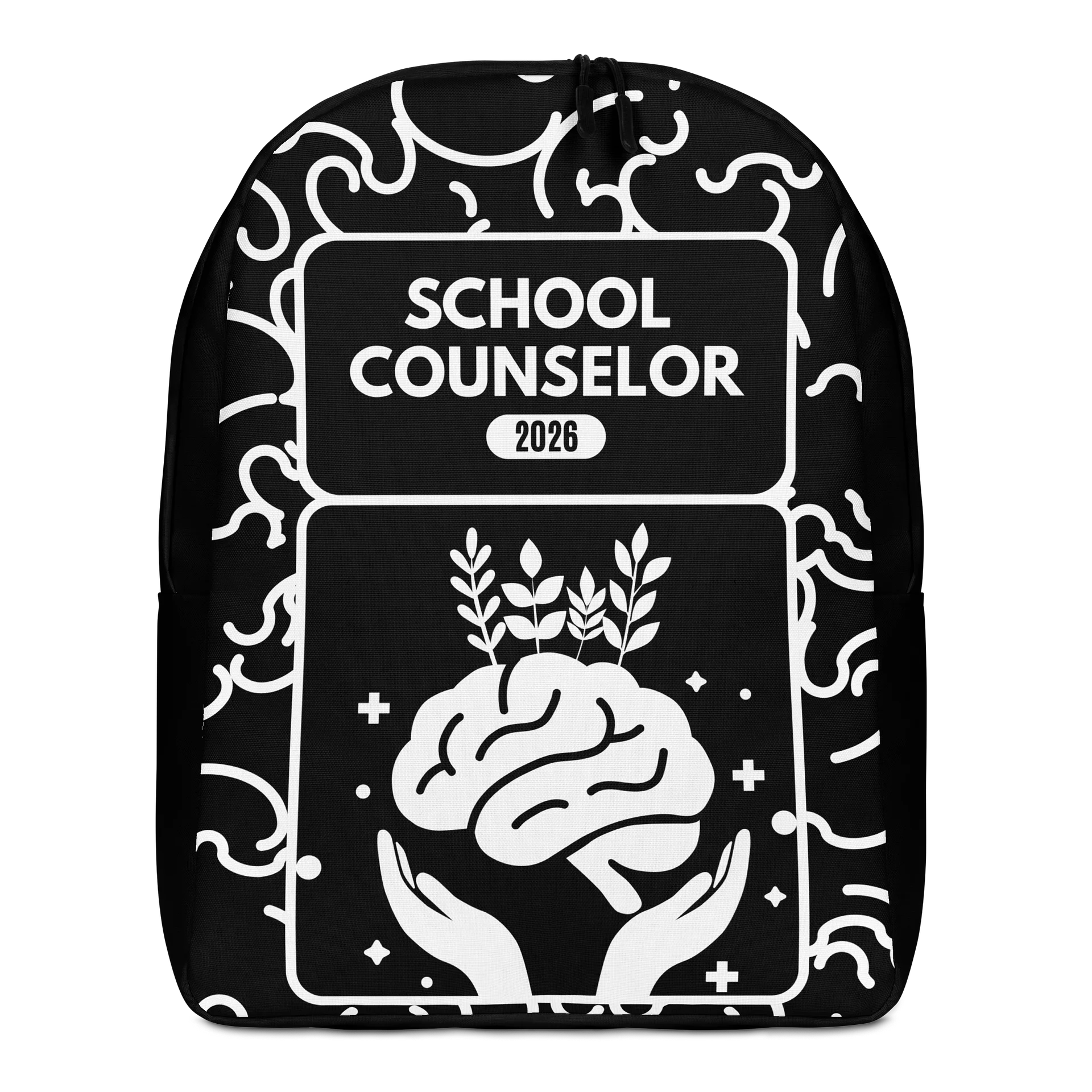
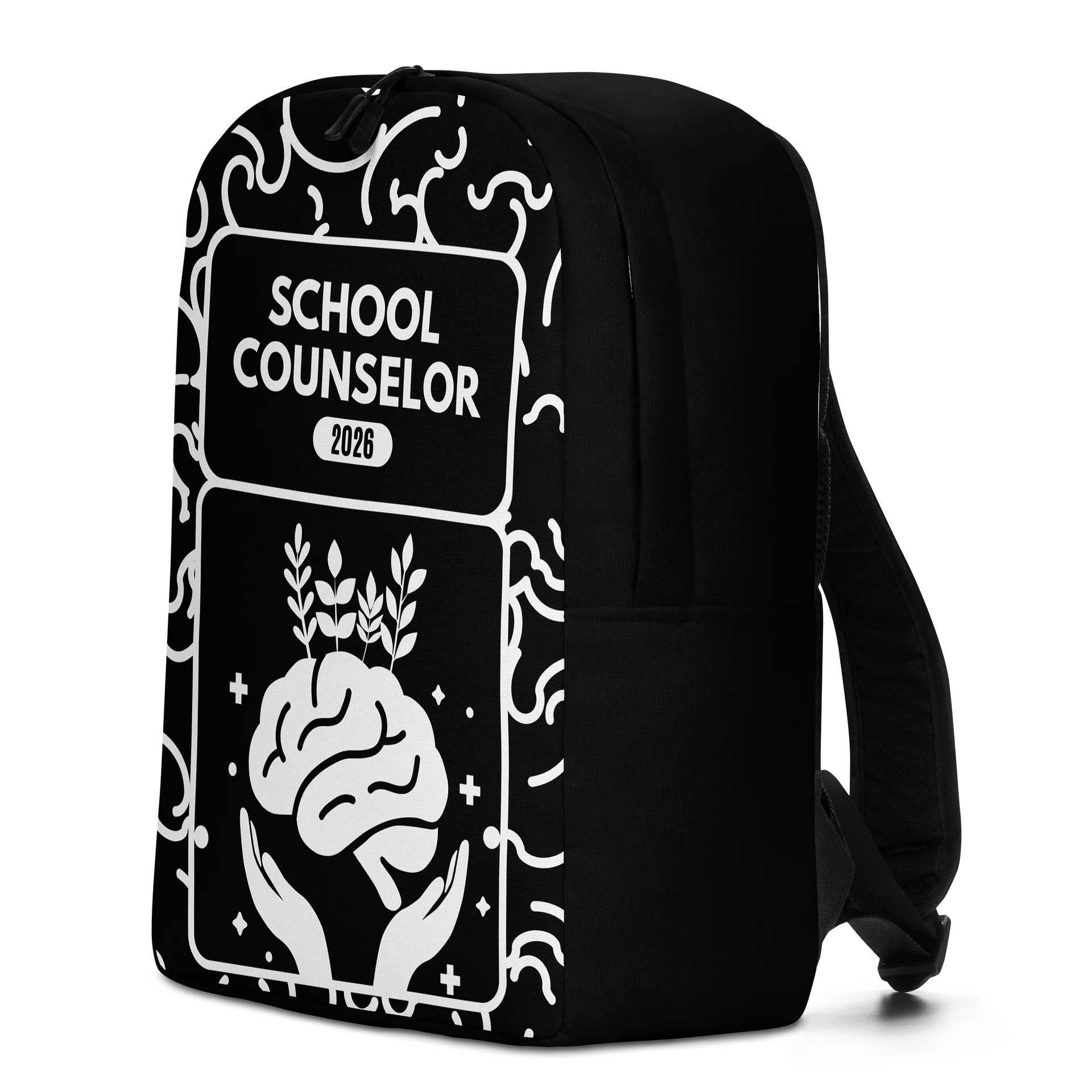
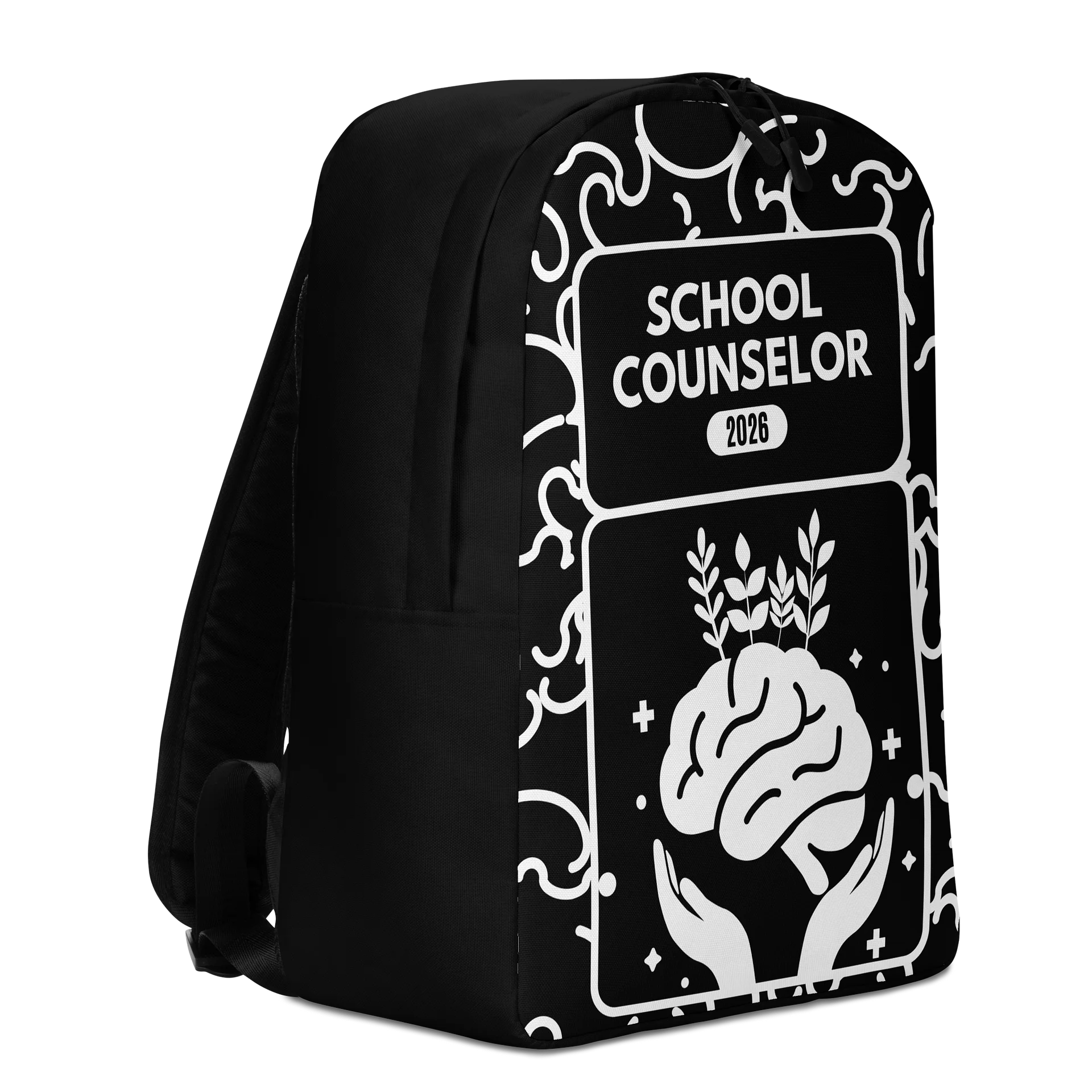
This backpack was designed specifically for school counselors, the people in every building who hold things together when everything feels like it's falling apart. The front panel features a one-of-a-kind original illustration: a brain with open hands reaching below it and a plant growing from the top, symbolizing the support you provide and the growth you make possible in every student you work with. Behind the illustration, the entire panel is layered with a neural connection pattern, a quiet nod to the minds you help shape every single day. The front badge displays SCHOOL COUNSELOR in bold block type and the year 2026.
Practical enough to carry everything your role demands, this bag includes a dedicated 15-inch laptop sleeve, a hidden back zipper pocket for your badge, keys, and personal items, and water-resistant fabric built for the full school day. It holds up to 44 pounds and sits comfortably on your shoulders through every hallway conversation, every check-in session, and every late meeting.
This makes a deeply meaningful back-to-school gift, school counseling week present, or a personal statement piece for the counselor who reminds students every day that they matter.
Details
- All-over print on 100% polyester
- Dimensions: 16.1 inches tall, 12.2 inches wide, 5.5 inches deep
- 20-liter capacity, holds up to 44 lbs
- Dedicated 15-inch laptop pocket inside main compartment
- Hidden zipper pocket on back panel
- Water-resistant fabric
- Ships from the US and EU
🎨 COLOR
We take great care to ensure that all product and design colors are represented as accurately as possible. However, please keep in mind that individual computer monitor settings may cause colors to appear slightly different.
📩 FEEDBACK
If you have any inquiries or require further information, please do not hesitate to contact us. We are here to assist and address any questions you may have. Feel free to reach out at your convenience, and we'll be more than happy to help.
THANK YOU
We deeply appreciate your support. By choosing to support our small business, you are helping us pursue our passion and deliver quality products. Thank you for being a valued part of our journey.
10. What Are the Biggest Back-to-School Challenges Teachers Face?
Teachers often face packed classrooms, limited budgets, changing curriculum requirements, technology issues, diverse student needs, and balancing administrative responsibilities with actual teaching.
The first few weeks can feel overwhelming, but establishing routines early and asking for support when needed can make a significant difference.
Remember, every experienced teacher was once a new teacher wondering where all the glue sticks disappeared.
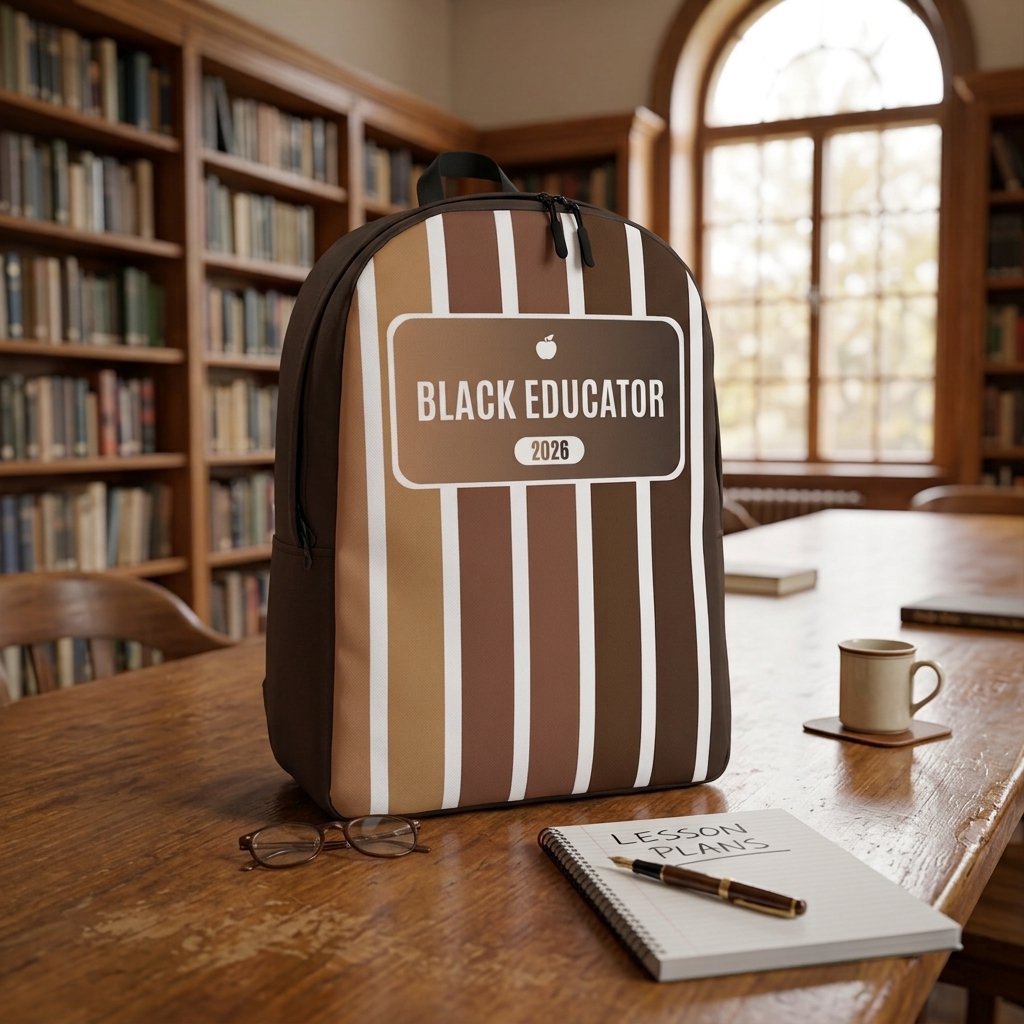
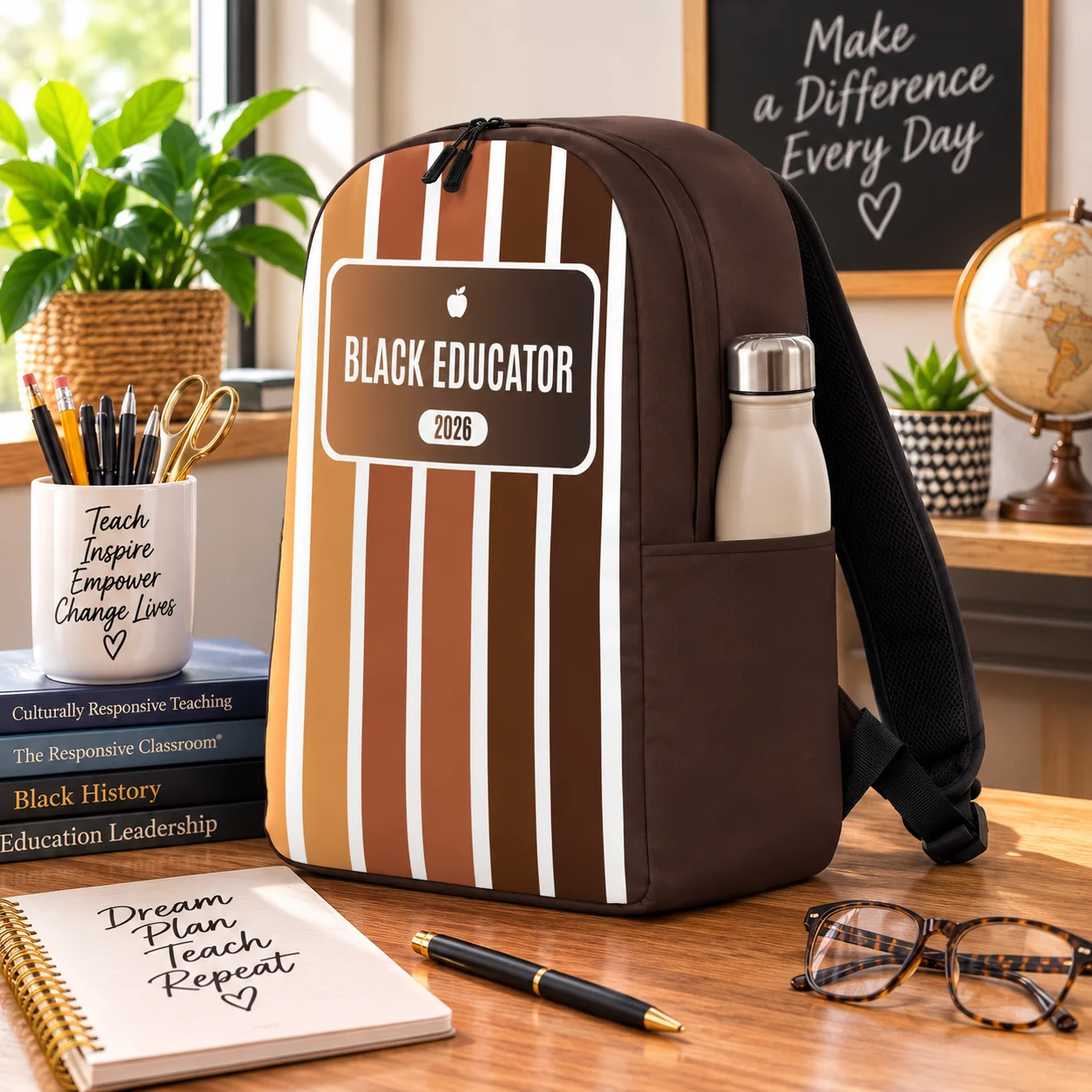
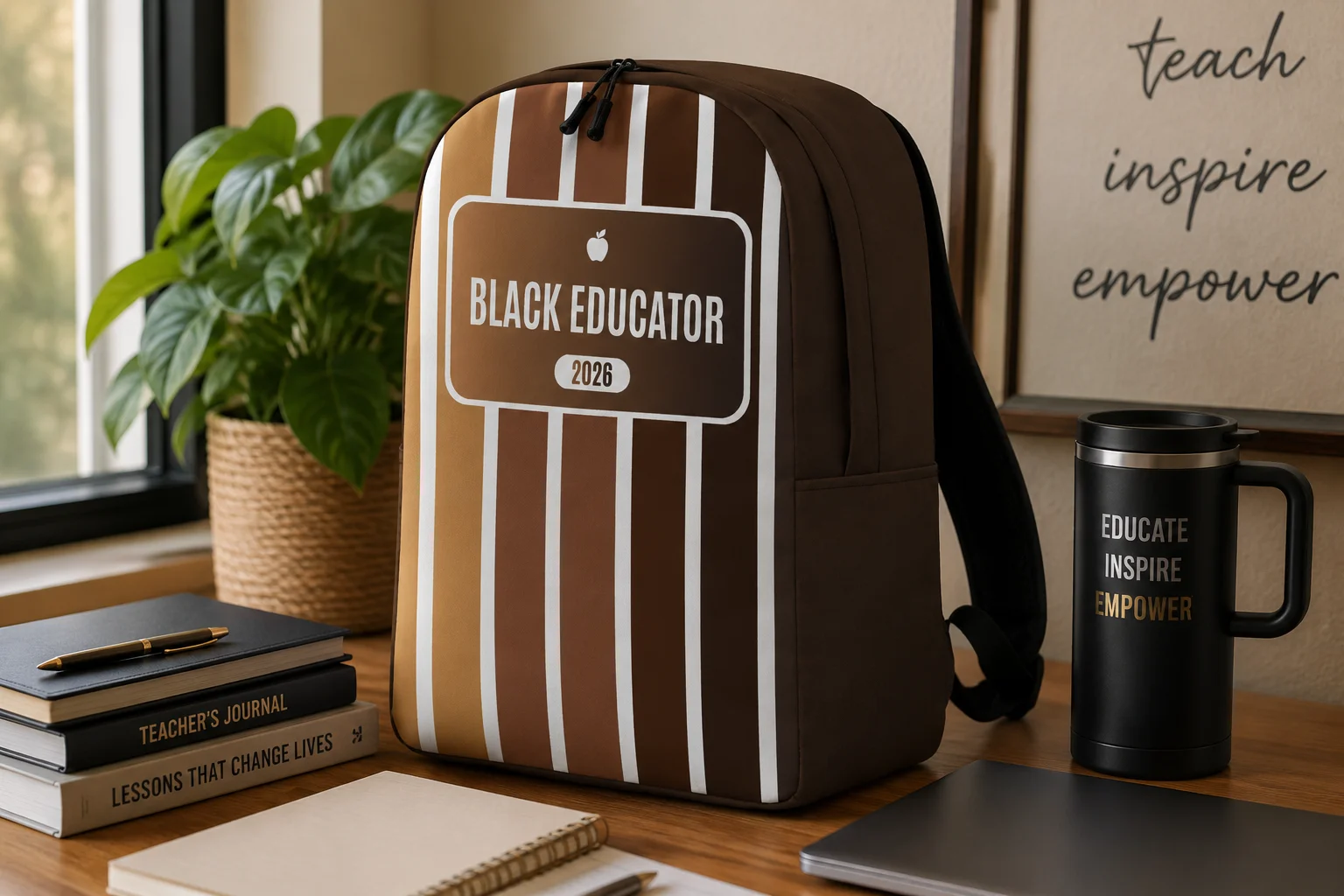
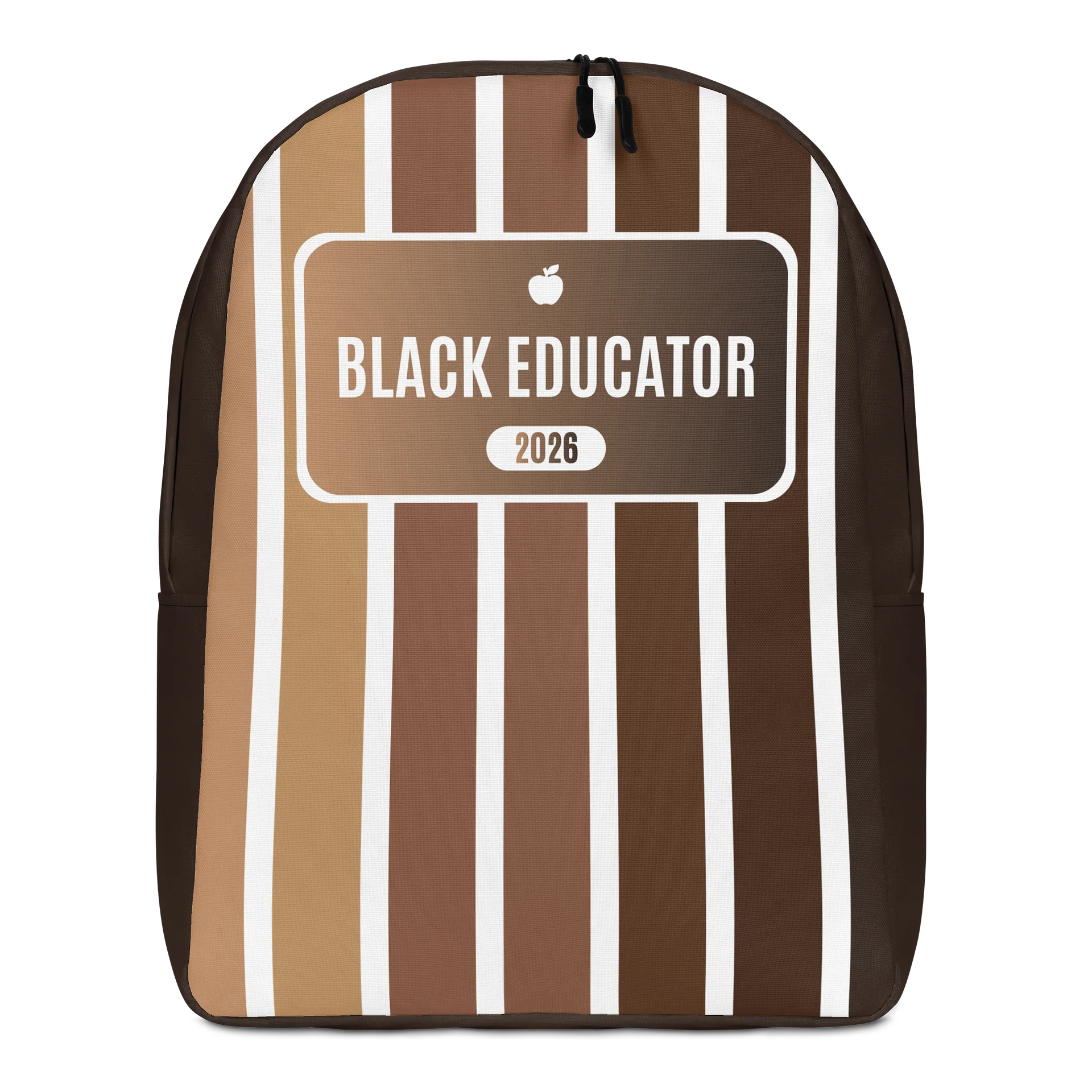
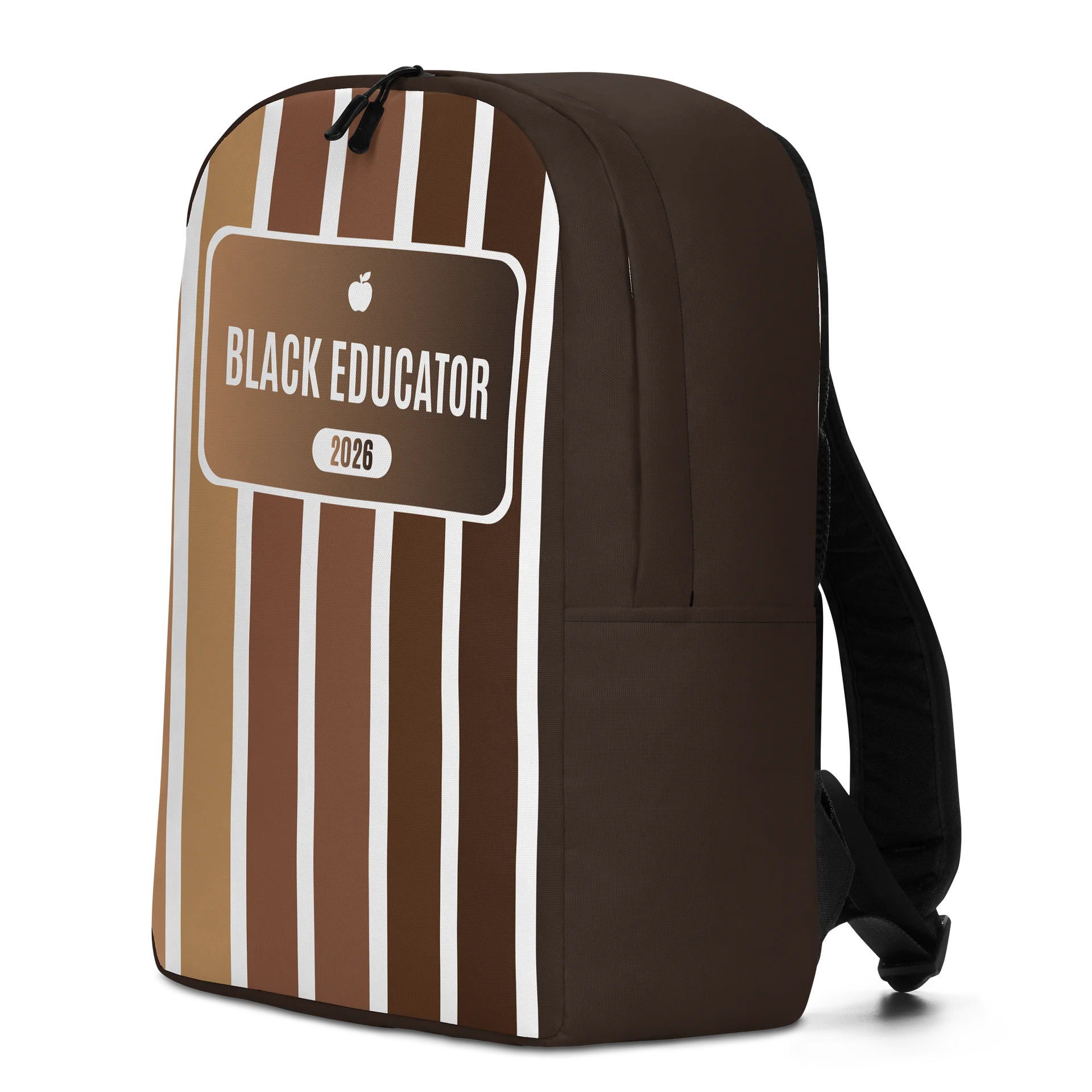
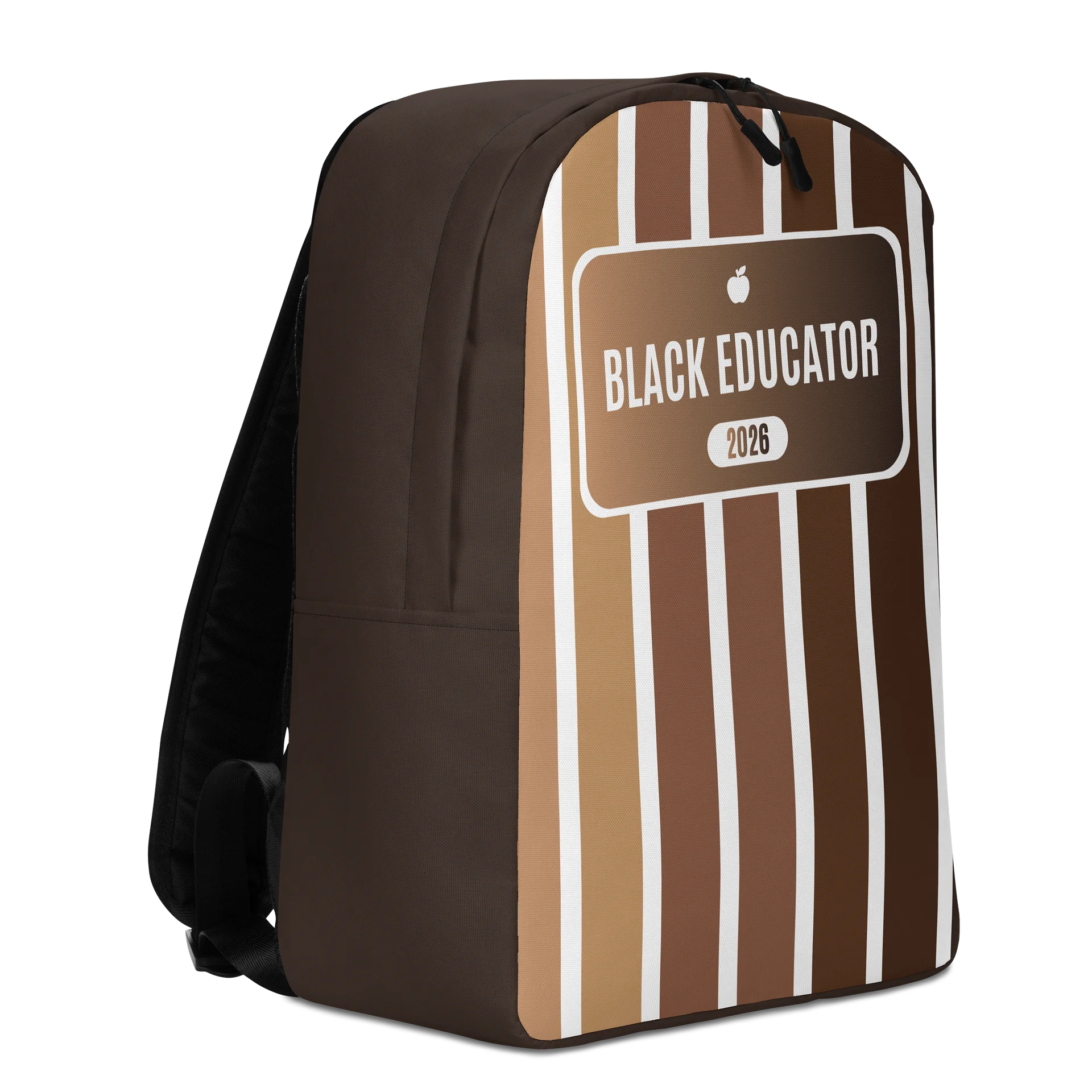

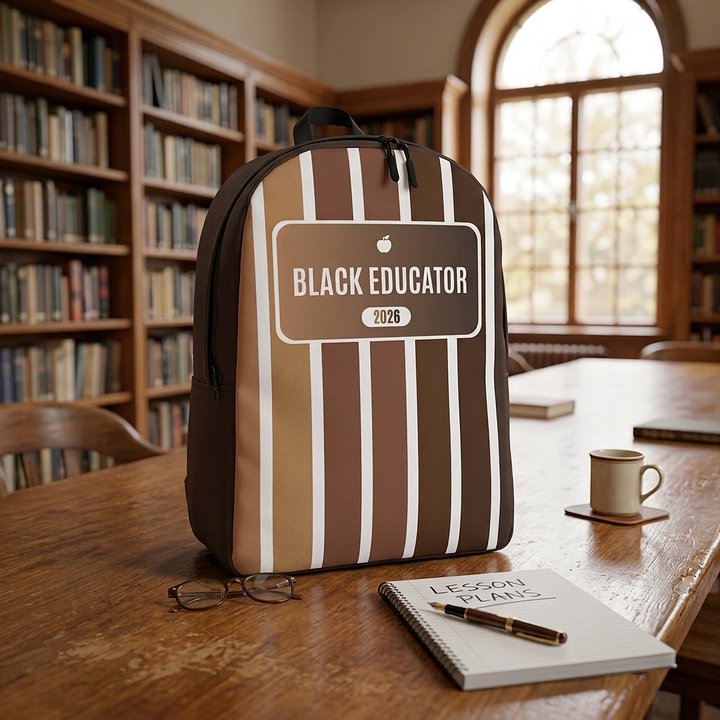
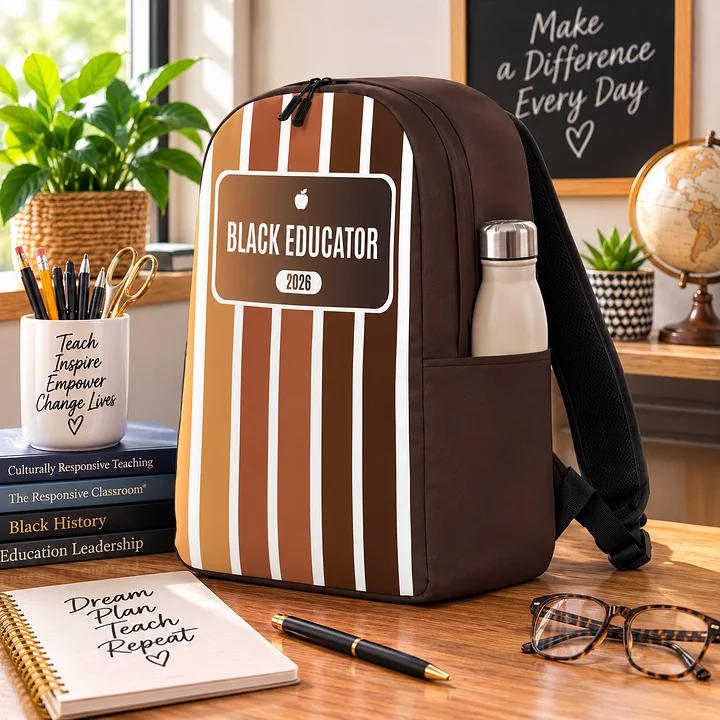
African American Teacher Backpack - Back to School Melanin Stripes Bag, Teacher Gift 2026
This one is for the educators who show up as their full selves and make the room brighter for it.
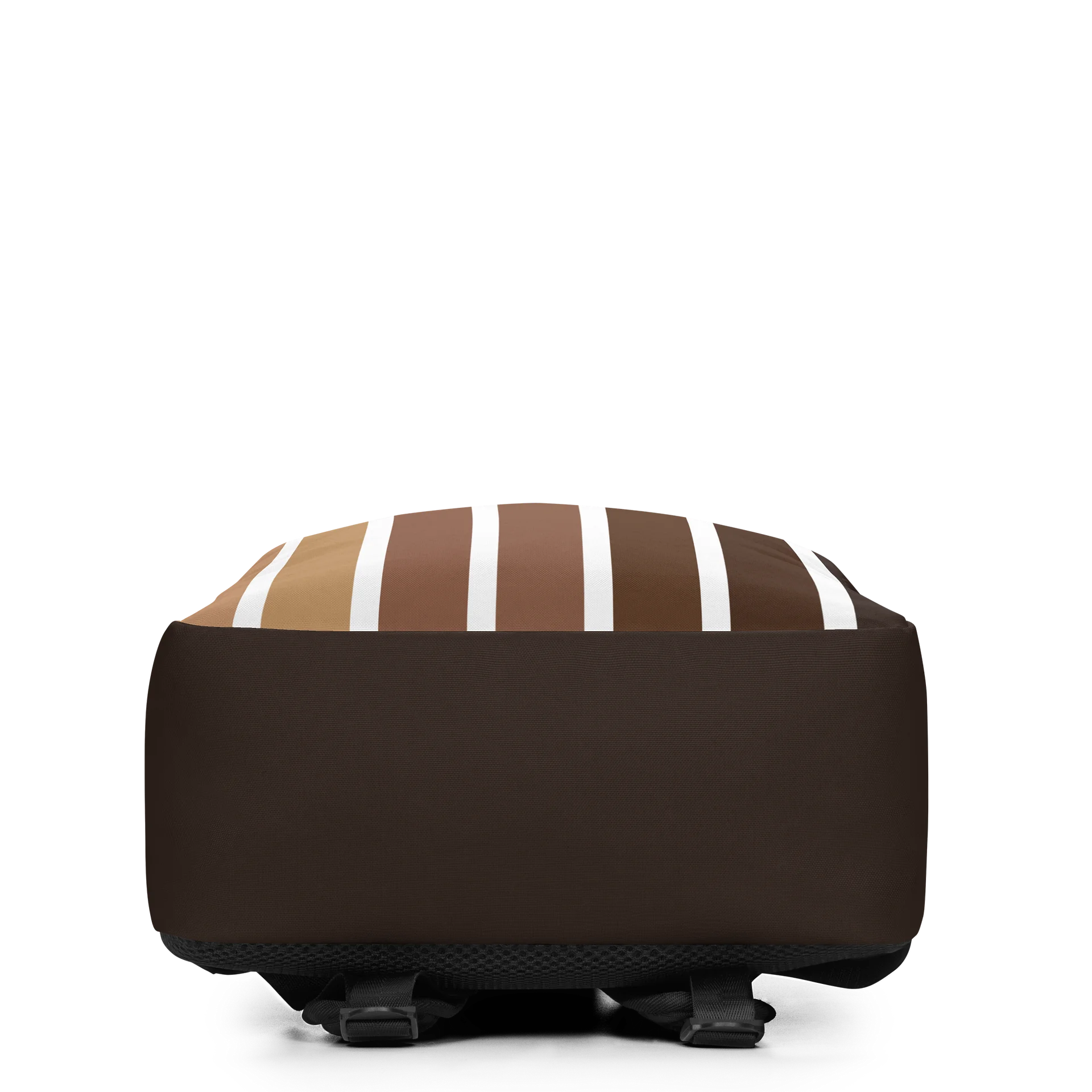
This backpack celebrates Black educators with a design that honors the full range and beauty of melanin, warm browns, rich caramels, deep chocolates, and golden undertones rendered in bold stripes that wrap the front of the bag from top to bottom. It is a quiet celebration worn loudly, a daily reminder that representation in the classroom is not a trend. It is the standard. The front badge displays BLACK EDUCATOR in bold block type with the year 2026 in a clean label below.
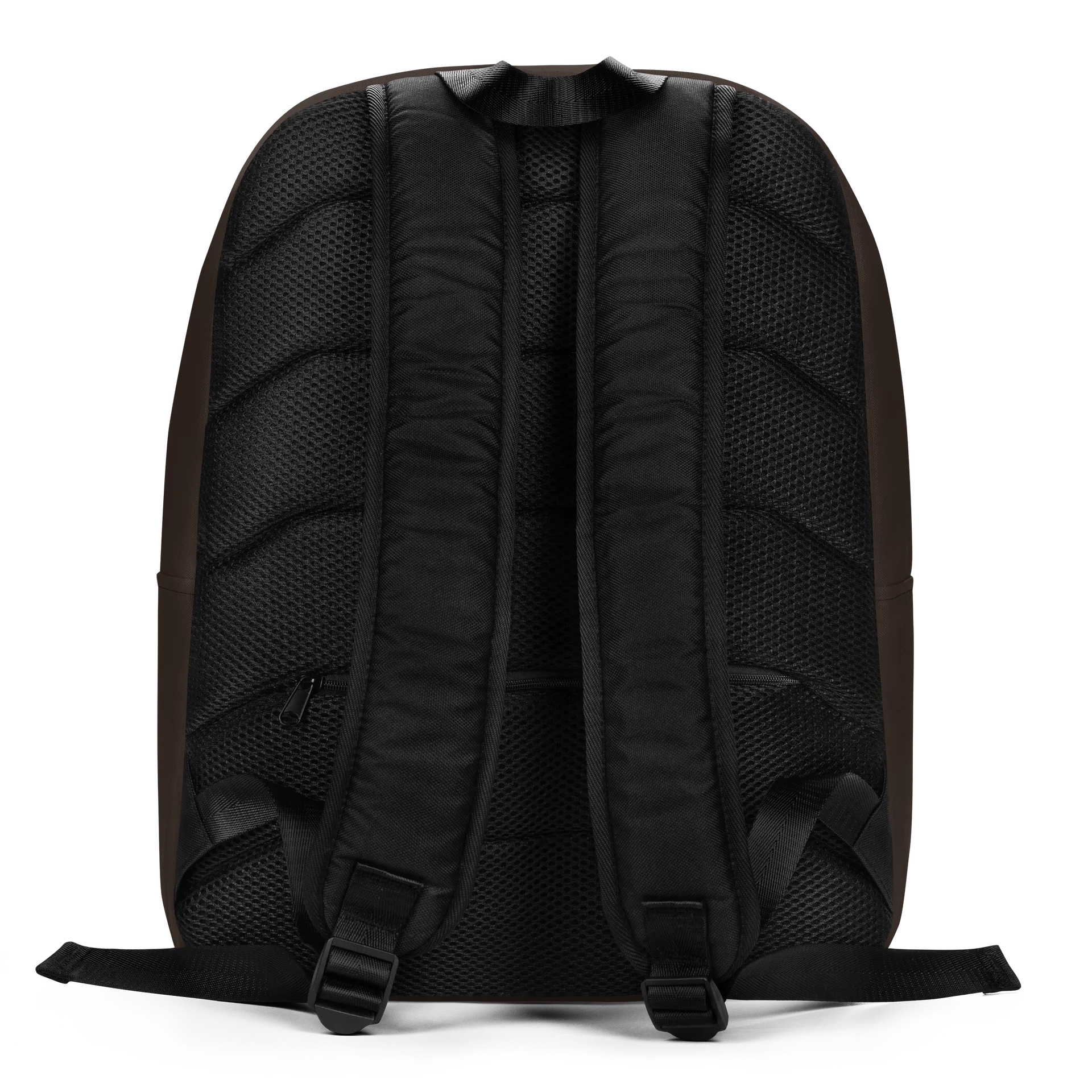
Practical enough for everything your school day demands, this bag includes a dedicated 15-inch laptop sleeve, a hidden back zipper pocket for your badge, keys, and personal items, and water-resistant fabric built to last. With a 44-pound capacity and padded shoulder straps, it carries as much as you do.
A meaningful back-to-school gift, teacher appreciation present, or personal statement piece for the Black educator who makes students feel seen every single day.
Details
- All-over print on 100% polyester
- Dimensions: 16.1 inches tall, 12.2 inches wide, 5.5 inches deep
- 20-liter capacity, holds up to 44 lbs
- Dedicated 15-inch laptop pocket inside main compartment
- Hidden zipper pocket on back panel
- Water-resistant fabric
- Ships from the US and EU
Final Thoughts
The beginning of a school year sets the tone for everything that follows.
While no classroom is perfect, thoughtful preparation, consistent expectations, and positive relationships can make a huge difference for both teachers and students.
Every school year is a fresh start, and every teacher has the opportunity to create a classroom where students feel welcomed, challenged, and supported. Even if the copier disagrees.
Ready to tackle classroom behavior before the school year gets hectic? Explore our Top 10 Classroom Behavior Management Questions for practical strategies you can put to work in your classroom.
Until next time...
Digital Disasters and Delights!
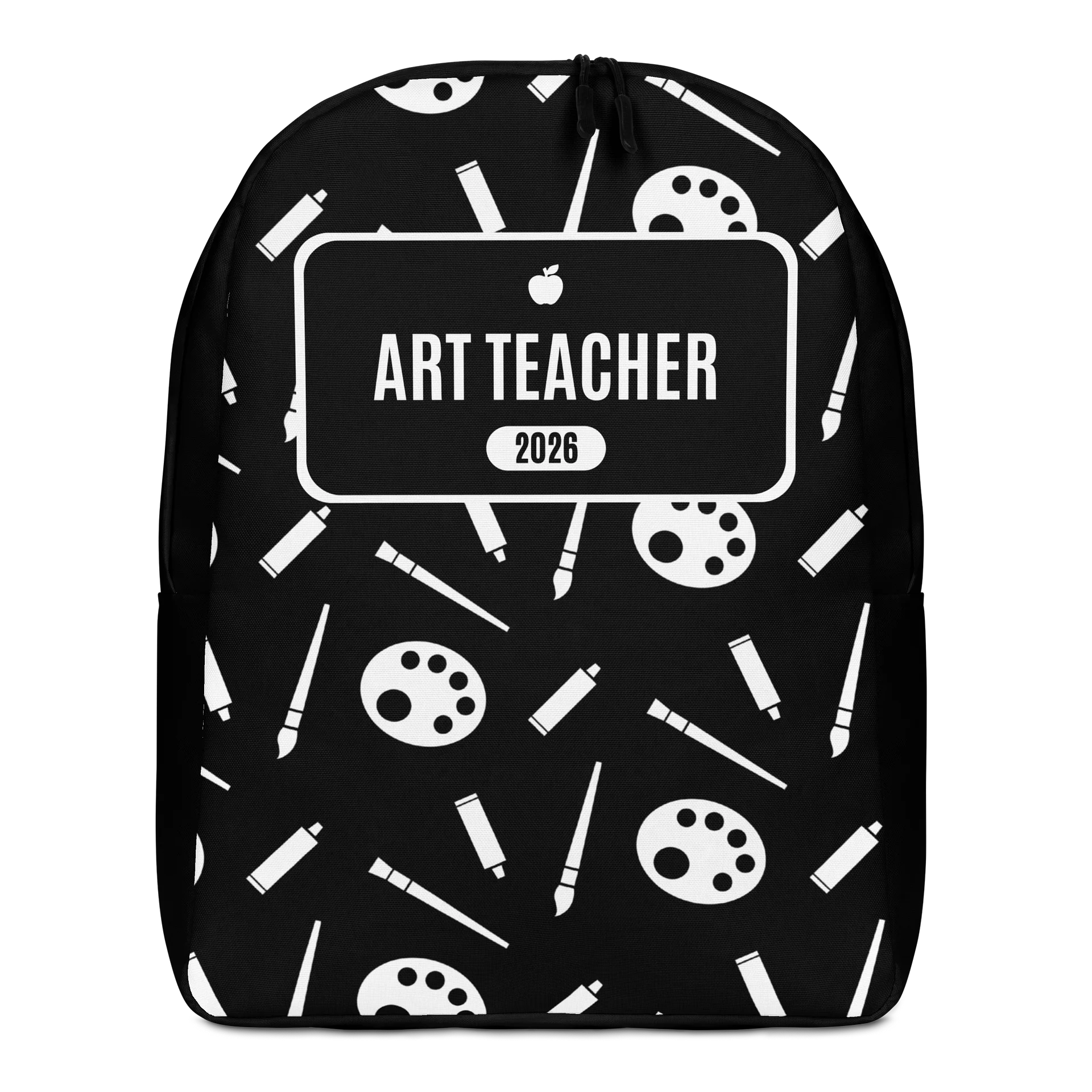
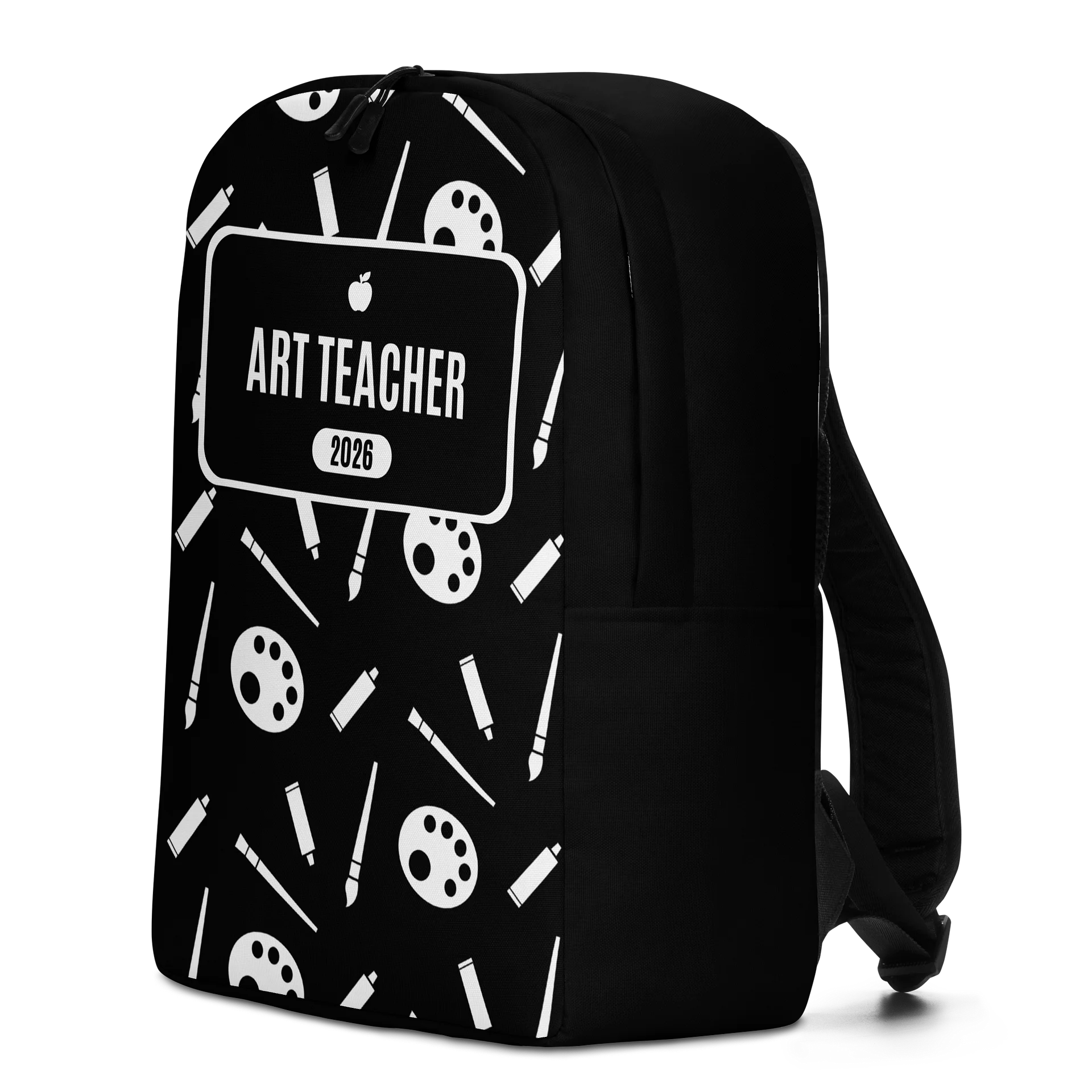
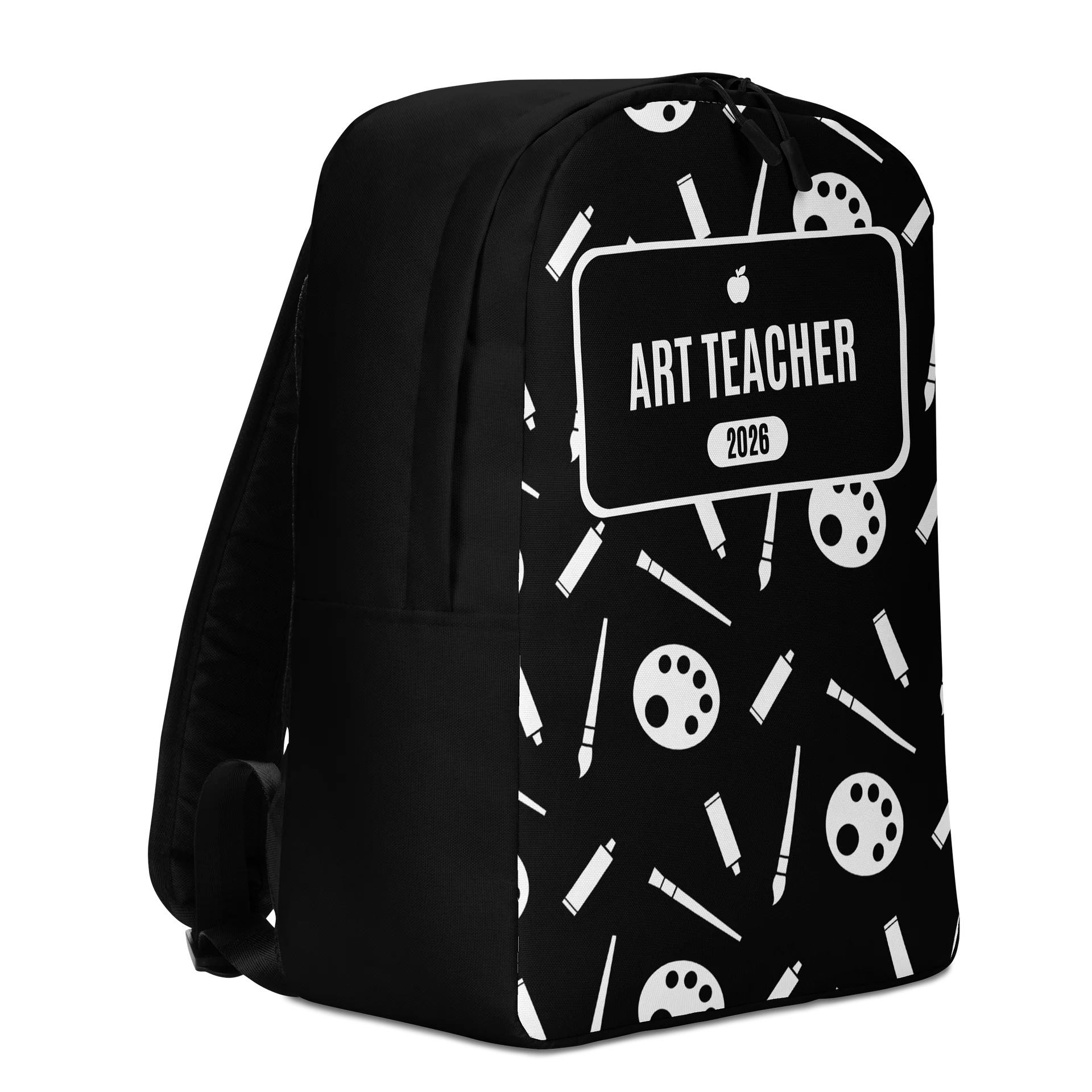
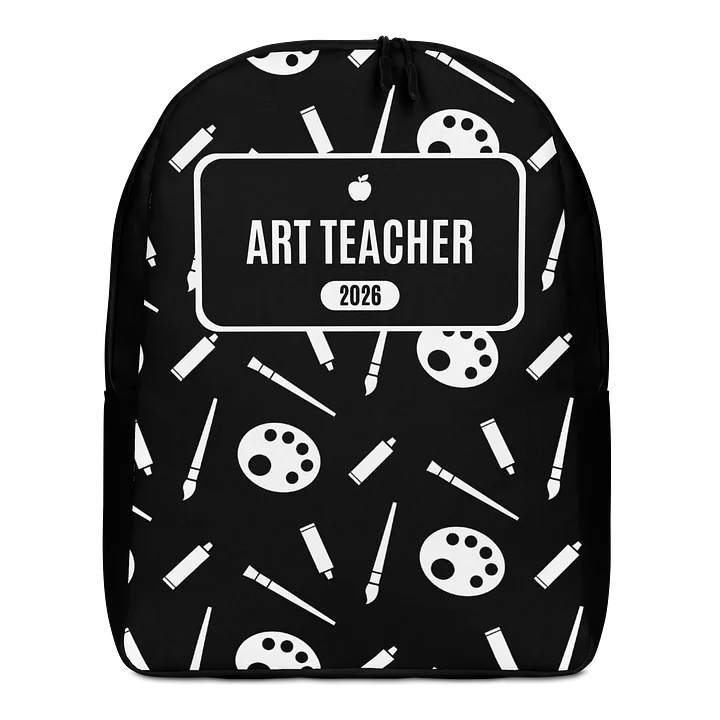
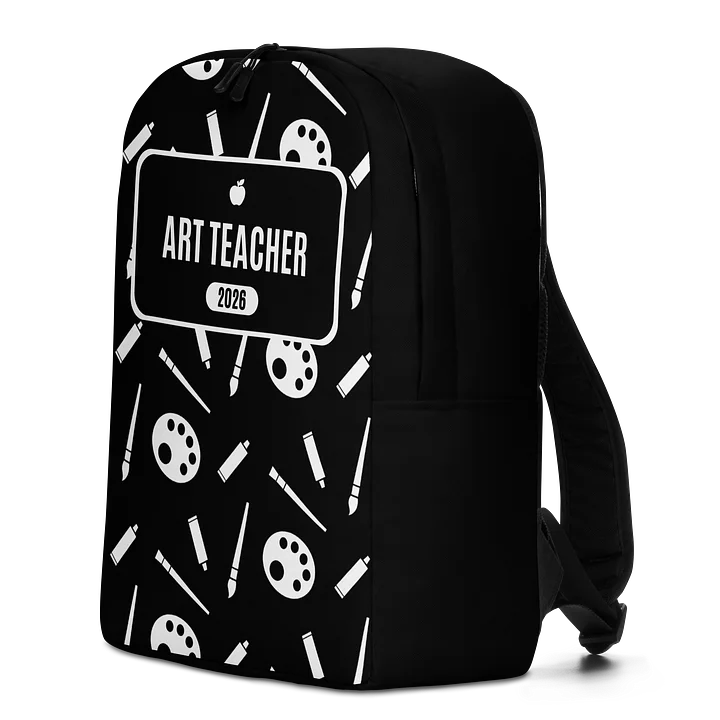
Art Teacher Backpack - Back to School Pattern Bag, Teacher Gift 2026
Art teachers see potential where everyone else sees a blank page.
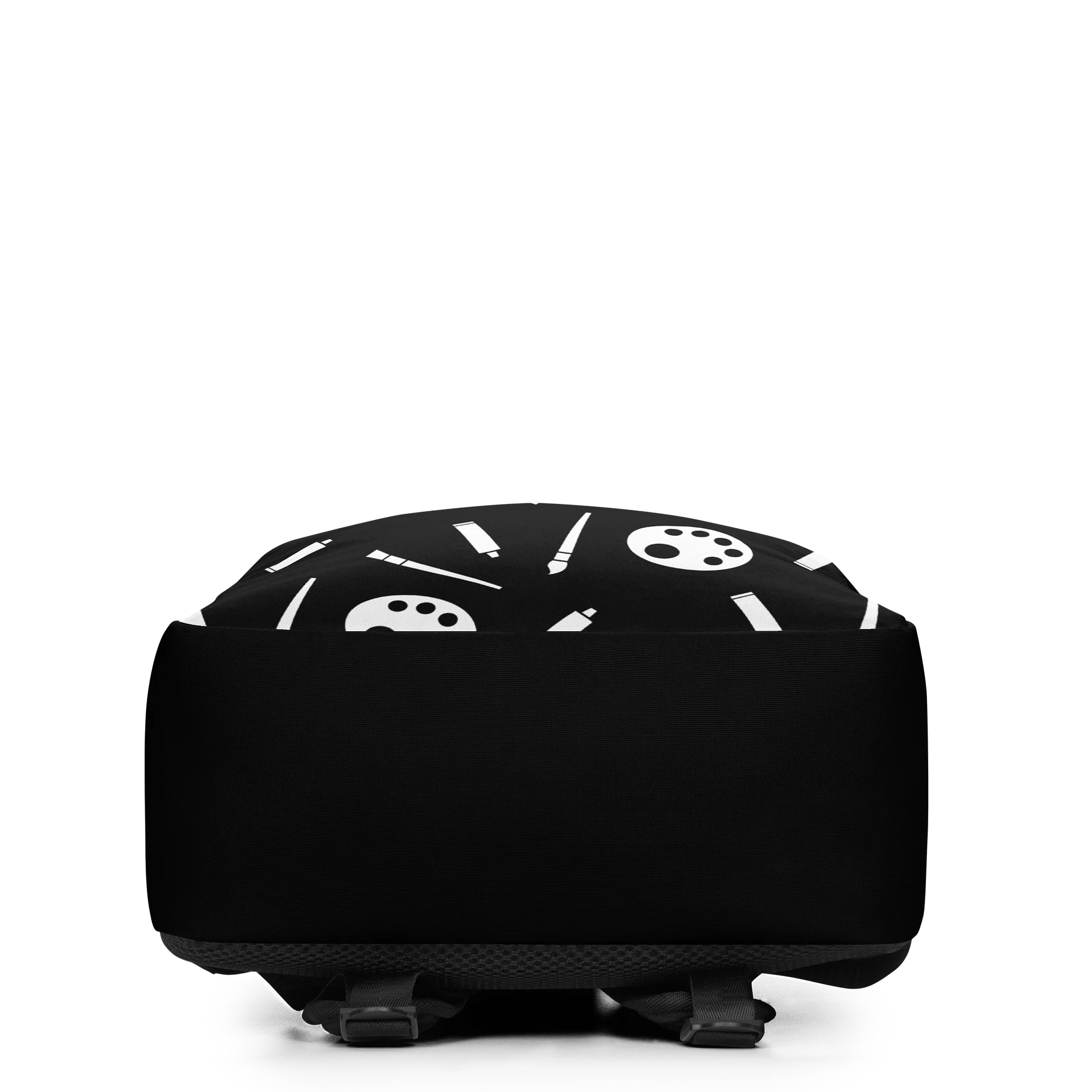
This all-over print backpack was built for the educator who turns a classroom into a studio. The entire front panel is covered in a bold creative pattern, rendered in clean white line art against a rich black background. The centered front badge brings the identity home: an apple icon at the top, ART TEACHER in bold block type, and 2026 in a pill label below.
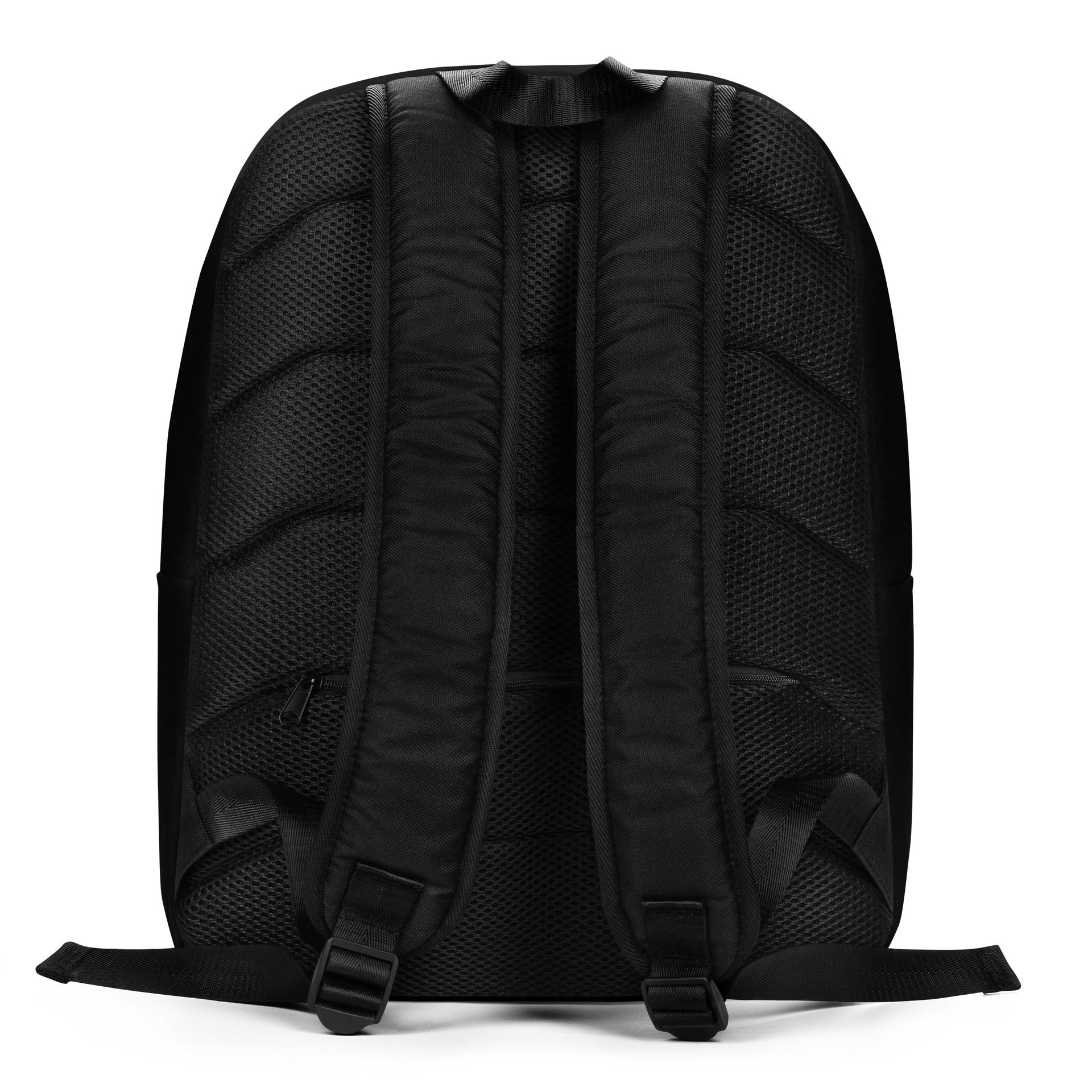
Functional from the first bell to the last, this bag features a dedicated 15-inch laptop sleeve, a hidden back pocket for your badge, keys, and valuables, and water-resistant fabric built for the full school day. The padded straps and 44-pound capacity mean it handles everything from lesson plans to a full supply run without complaint.
A bold back-to-school gift, teacher appreciation statement piece, or personal reward for the art educator who makes creativity contagious.
What subject do you teach? Browse the full Subject Area: Teacher Edition collection to find your version.
Details
- All-over print on 100% polyester
- Dimensions: 16.1 inches tall, 12.2 inches wide, 5.5 inches deep
- 20-liter capacity, holds up to 44 lbs
- Dedicated 15-inch laptop pocket inside main compartment
- Hidden zipper pocket on back panel
- Water-resistant fabric
- Ships from the US and EU