Top 10 Classroom Behavior Management Questions (Answered)
Introduction
Congratulations! You survived college and probably at least one person saying, "Must be nice to have summers off." Now it's time for the real adventure... managing a classroom full of students with different personalities, learning styles, and energy levels.
The good news? Great classroom management isn't about being the strictest teacher in the building. It's about creating a classroom where students know what's expected, feel respected, and actually want to learn. That doesn't happen overnight, and even veteran teachers are still learning new tricks.
If you're wondering where to start, you're asking the same questions thousands of new teachers ask every year. Let's answer the biggest ones.
Before diving into behavior management strategies, it helps to look at the bigger picture of getting ready for a new school year. If you're still working through classroom setup, supplies, routines, and those first-day nerves, check out our Top 10 Questions About Back to School: Teacher Edition.
1. Why is Classroom Management So Important?
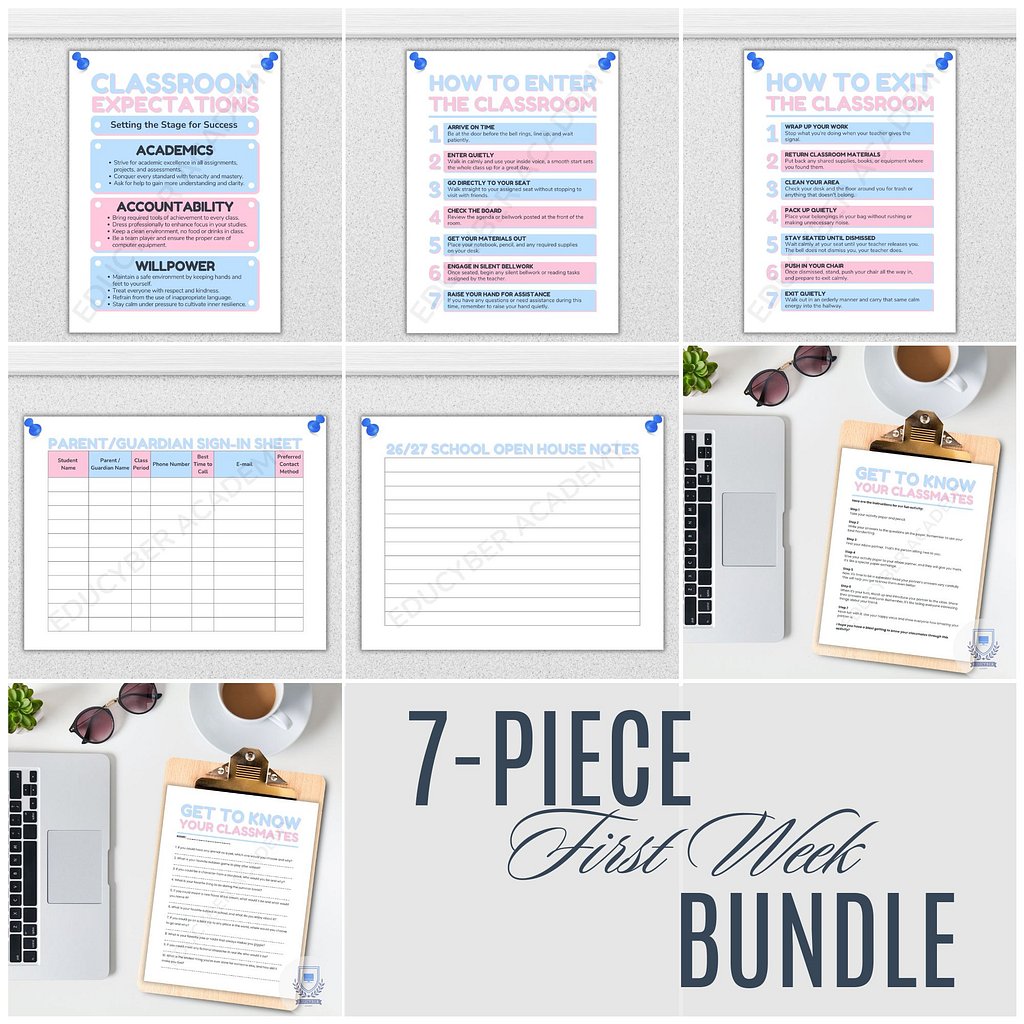
Classroom management is the foundation of every successful classroom. Before students can focus on lessons, they need a learning environment that feels organized, safe, and predictable.
Strong classroom management reduces disruptions, increases instructional time, and helps students stay focused.
Instead of spending half the class saying, "Please sit down," you'll spend more time actually teaching.
That's a win for everyone.
2. How Do I Set Clear Classroom Expectations?
Students can't meet expectations they don't know exist.
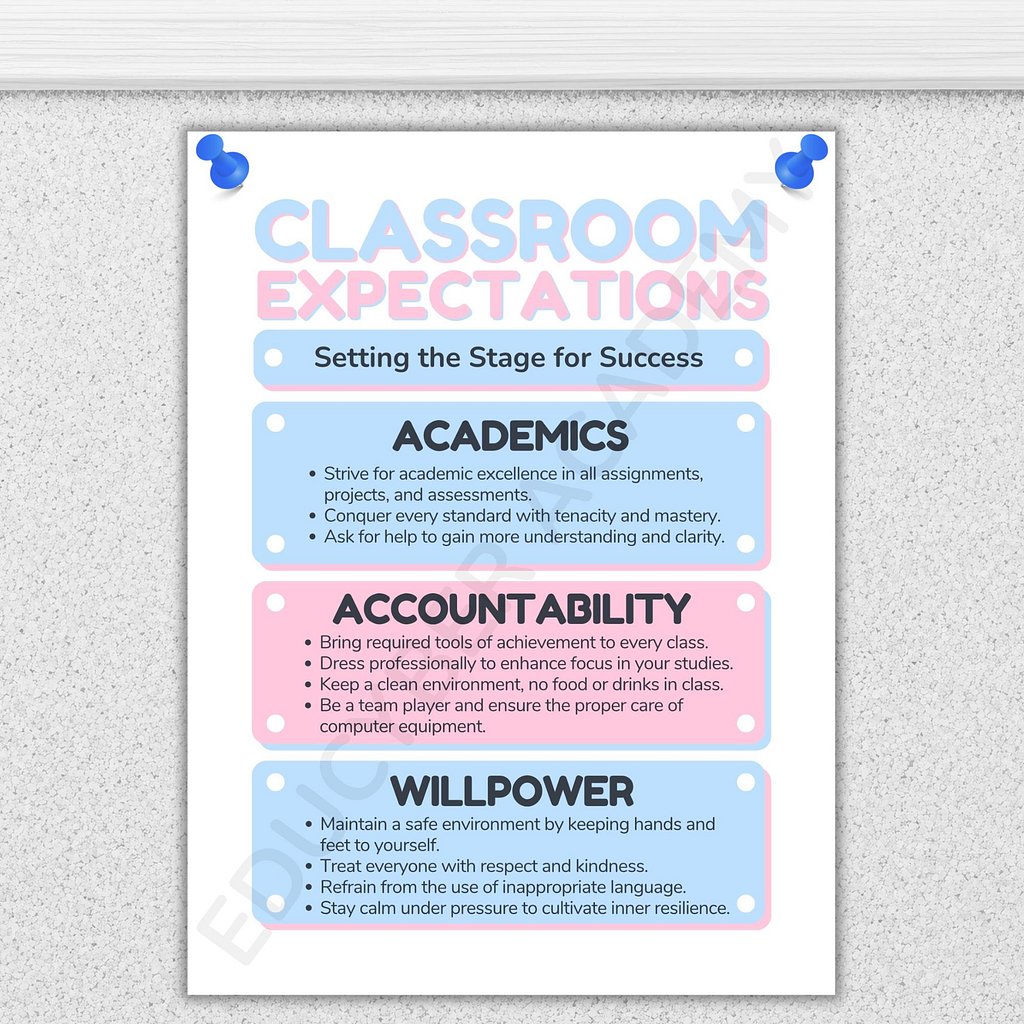
Start the school year by clearly explaining your classroom routines, procedures, and rules. Keep expectations simple, consistent, and easy to remember. Practice them together during the first week until they become habits.
Students appreciate knowing what success looks like, even if they occasionally pretend they forgot five minutes after you explained it.
3. How Can I Build Positive Relationships With My Students?
Students learn best when they know their teacher genuinely cares about them.
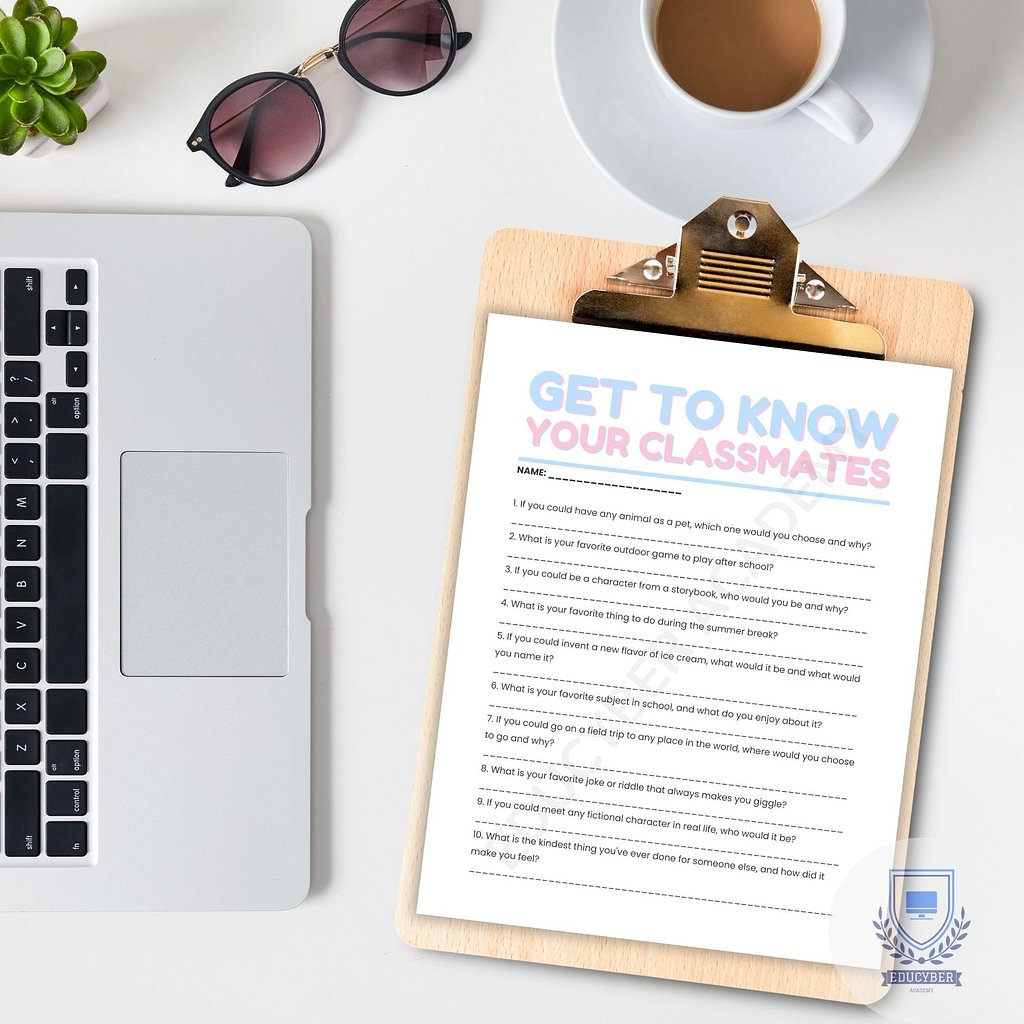
Learn names quickly, greet students at the door, celebrate their successes, and take an interest in their hobbies and goals. Small conversations build trust, and trust creates respect.
A positive teacher-student relationship often prevents behavior issues before they begin.
4. How Do I Create a Positive Classroom Culture?
A positive classroom culture is one where every student feels welcome, respected, and comfortable participating.
Encourage kindness, teamwork, and open communication. Celebrate effort, not just perfect grades, and make students feel like they belong from day one.
When students feel connected to the classroom community, they're much more likely to contribute positively.
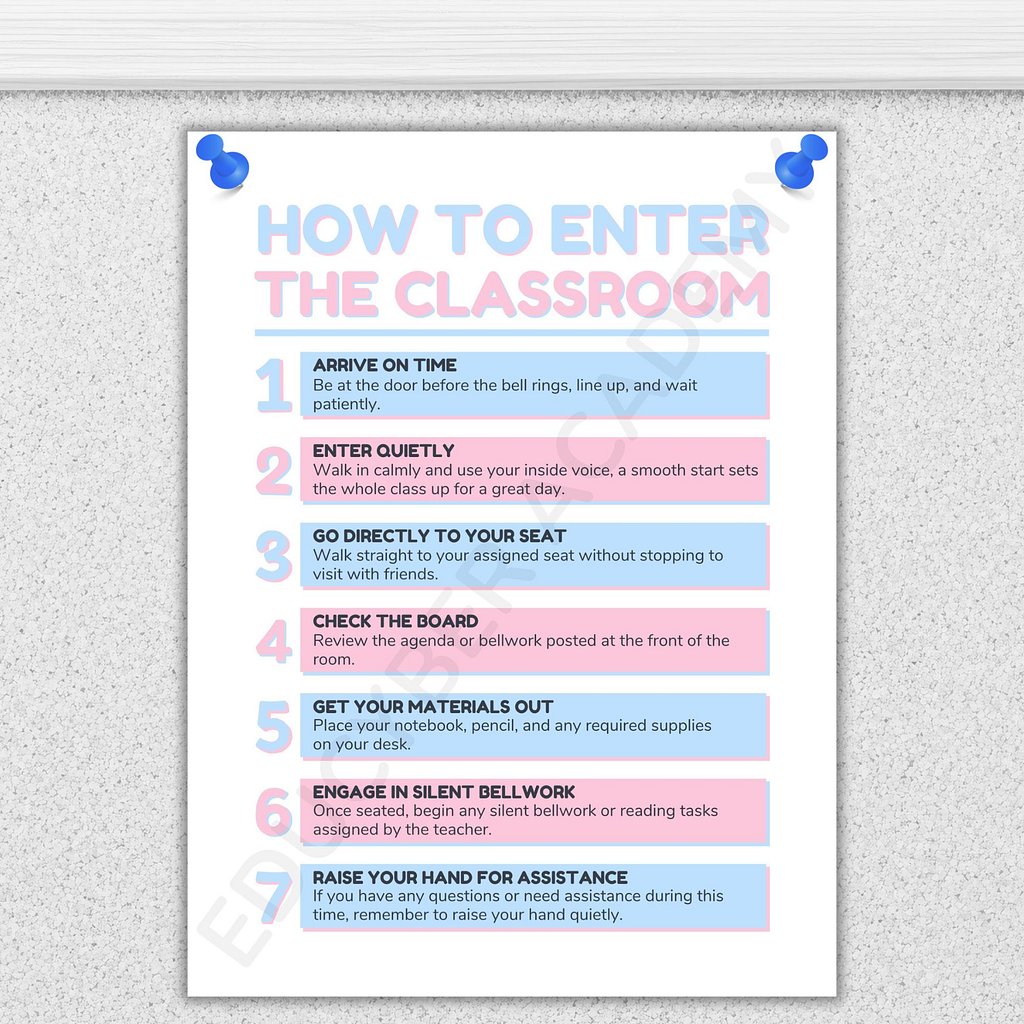
5. What are the Best Classroom Management Strategies?
The best classroom management starts before problems happen.
Use proactive strategies like teaching routines, modeling expectations, giving clear directions, and staying consistent with consequences. Students thrive when expectations remain predictable.
Think of routines like brushing your teeth. At first, someone reminds you. Eventually, you just do it without thinking.
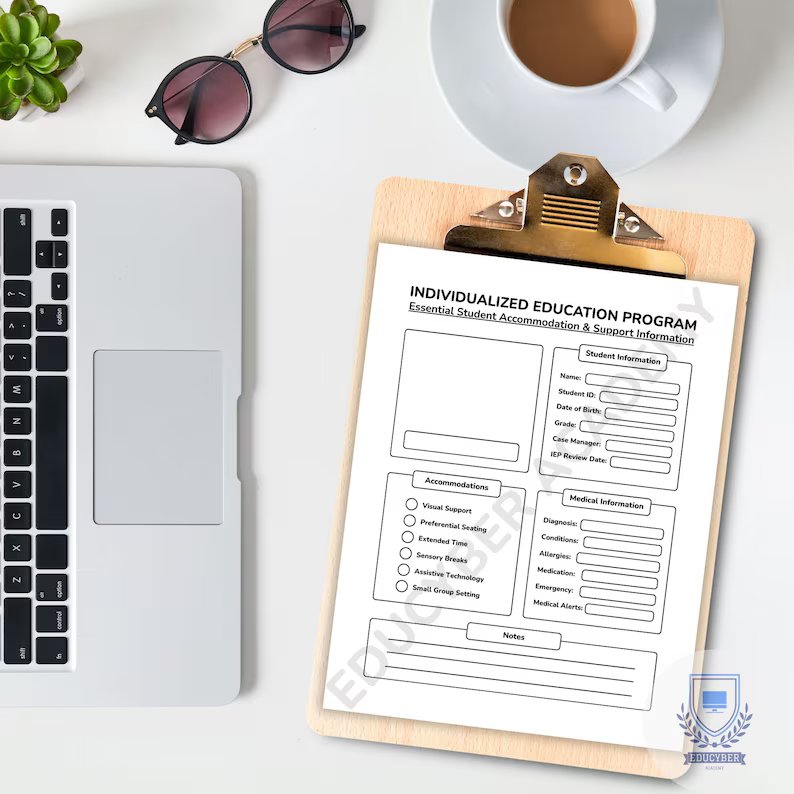
6. How Should I Handle Challenging Behaviors?
Every classroom has challenging moments. The goal isn't to eliminate every behavior. It's to respond calmly and consistently.
Address problems privately, when possible, focus on solutions instead of embarrassment, and maintain clear expectations. Be firm, fair, and respectful.
Remember, students are watching how you respond just as much as they're listening to what you say.
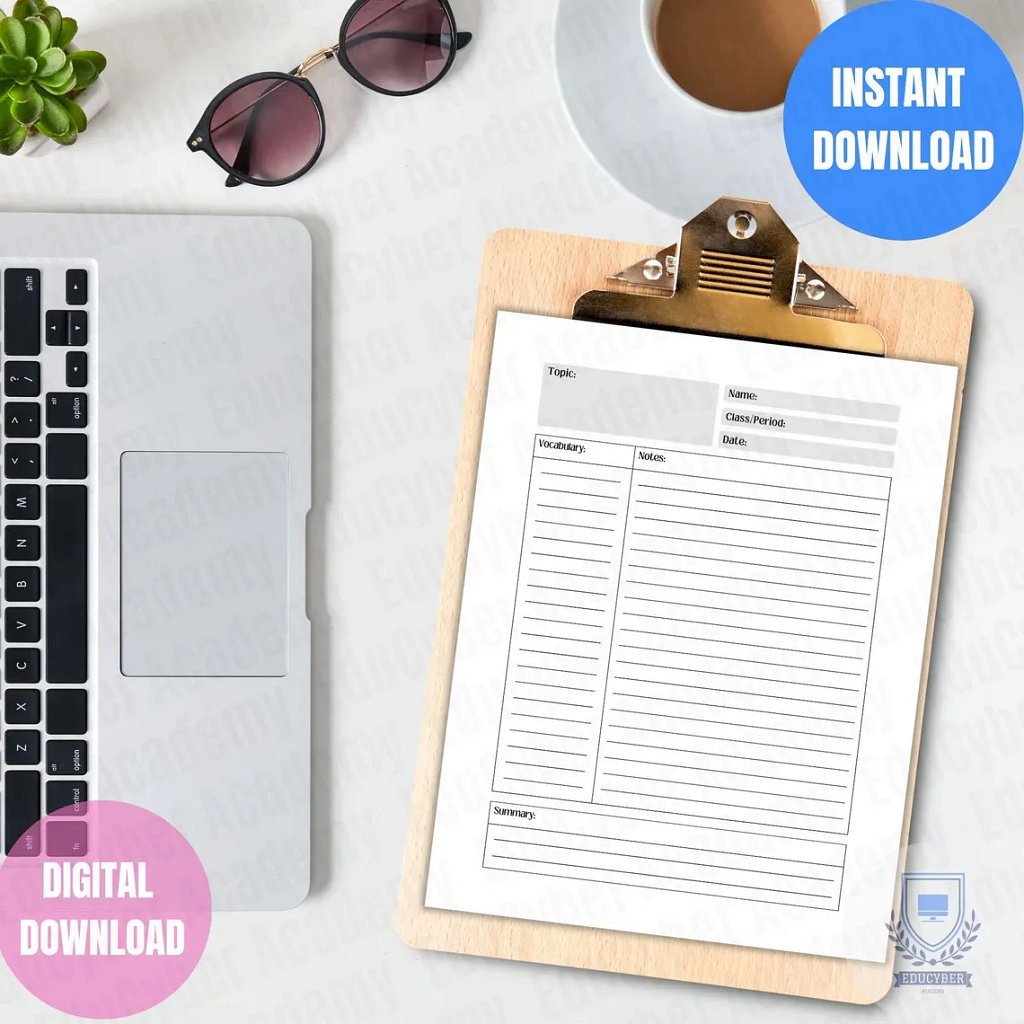
7. How Can I Keep Students Engaged?
Engaged students have less time to become distracted.
Mix whole-group instruction with partner activities, hands-on projects, classroom discussions, and interactive lessons. Give students opportunities to participate instead of simply listening.
The more students are doing, the less they're thinking about how loudly they can tap a pencil.
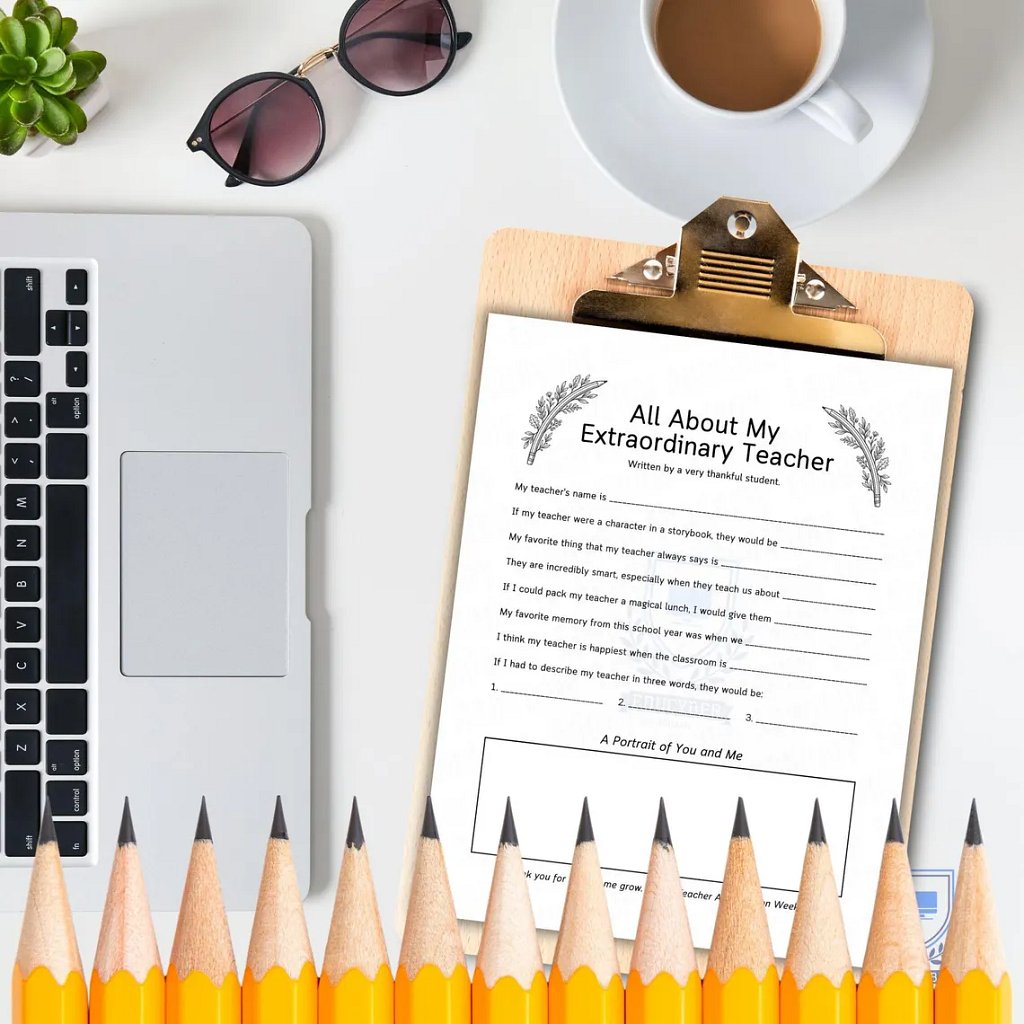
8. How Do I Balance Discipline and Flexibility?
Consistency matters, but so does understanding.
Students need structure, yet every class and every student is different.
Be approachable while maintaining clear boundaries. Show empathy without lowering expectations.
The best teachers know when to stick to the plan and when a little flexibility helps everyone succeed.
9. How Can I Support Different Learning Styles and Age Groups?
No two classrooms are exactly alike.
Adapt your teaching strategies based on your students' ages, abilities, and learning preferences. Some students thrive through discussion, while others need visual examples or hands-on experiences.
Flexibility helps every student find opportunities to succeed.
10. How Do I Encourage Responsibility and Self-Discipline?
The ultimate goal isn't for students to behave because you're watching. It's for them to make good choices because they've developed self-discipline.
Give students opportunities to make decisions, solve problems, and take ownership of their actions. Recognize responsible behavior and encourage reflection when mistakes happen.
Teaching responsibility today builds confidence they'll carry long after they leave your classroom.
Final Thoughts
Classroom management isn't about having the loudest voice or the longest list of rules. It's about creating a classroom where students know what's expected, feel respected, and have the opportunity to learn every day.
Will every lesson go perfectly? Probably not. Will someone ask to use the restroom five minutes after class starts? Almost certainly.
But every routine you teach, every relationship you build, and every positive interaction you create moves your classroom in the right direction.
Remember, even experienced teachers continue refining their classroom management skills throughout their careers.
Give yourself grace, stay consistent, celebrate the small victories, and keep showing up for your students. You're building more than classroom routines. You're creating an environment where students can grow, succeed, and remember your classroom for all the right reasons.
Good behavior management starts before the first behavior issue ever happens. Classroom routines, organization, expectations, and preparation all play a role. For more practical preparation tips, check out our Top 10 Questions About Back to School: Teacher Edition.
Until next time…
Digital Disasters and Delights