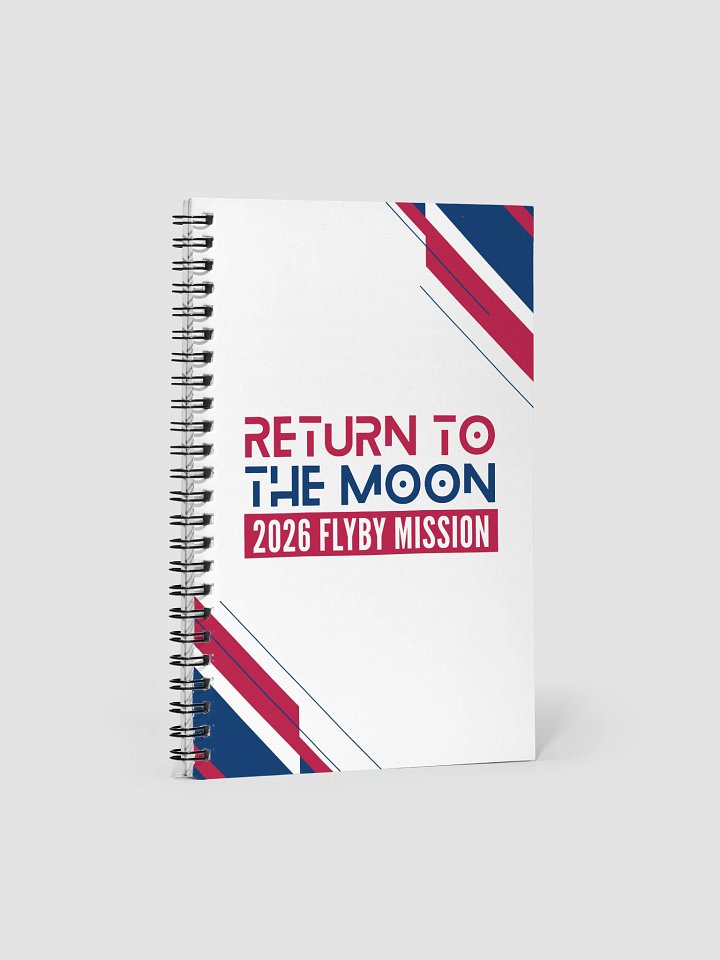
Top 10 Earth Day Questions Answered
Plus Meaningful Keepsake Ideas
Introduction
Earth Day is a special day that brings people together from all over the world to care for the planet we call home. It is a time to learn, reflect, and take small actions that make a big difference for the Earth. From cleaning up neighborhoods to planting trees, Earth Day reminds us that everyone has a role in protecting nature. In this blog, we’ll explore fun and simple Earth Day facts through questions and answers that help both kids and adults understand why this day matters so much.
Disclaimer: This post may contain affiliate links, which means we may earn a small commission if you make a purchase through those links, at no additional cost to you.
1. When was the very first Earth Day held?
The first Earth Day took place on April 22, 1970. On that day, about 20 million people across the United States came together to speak up for the environment.
At the time, pollution was a big problem, and there were very few rules to protect the air, water, and land. Earth Day helped bring attention to these issues in a big way. It showed that when people work together, they can create change and protect the planet we all share.

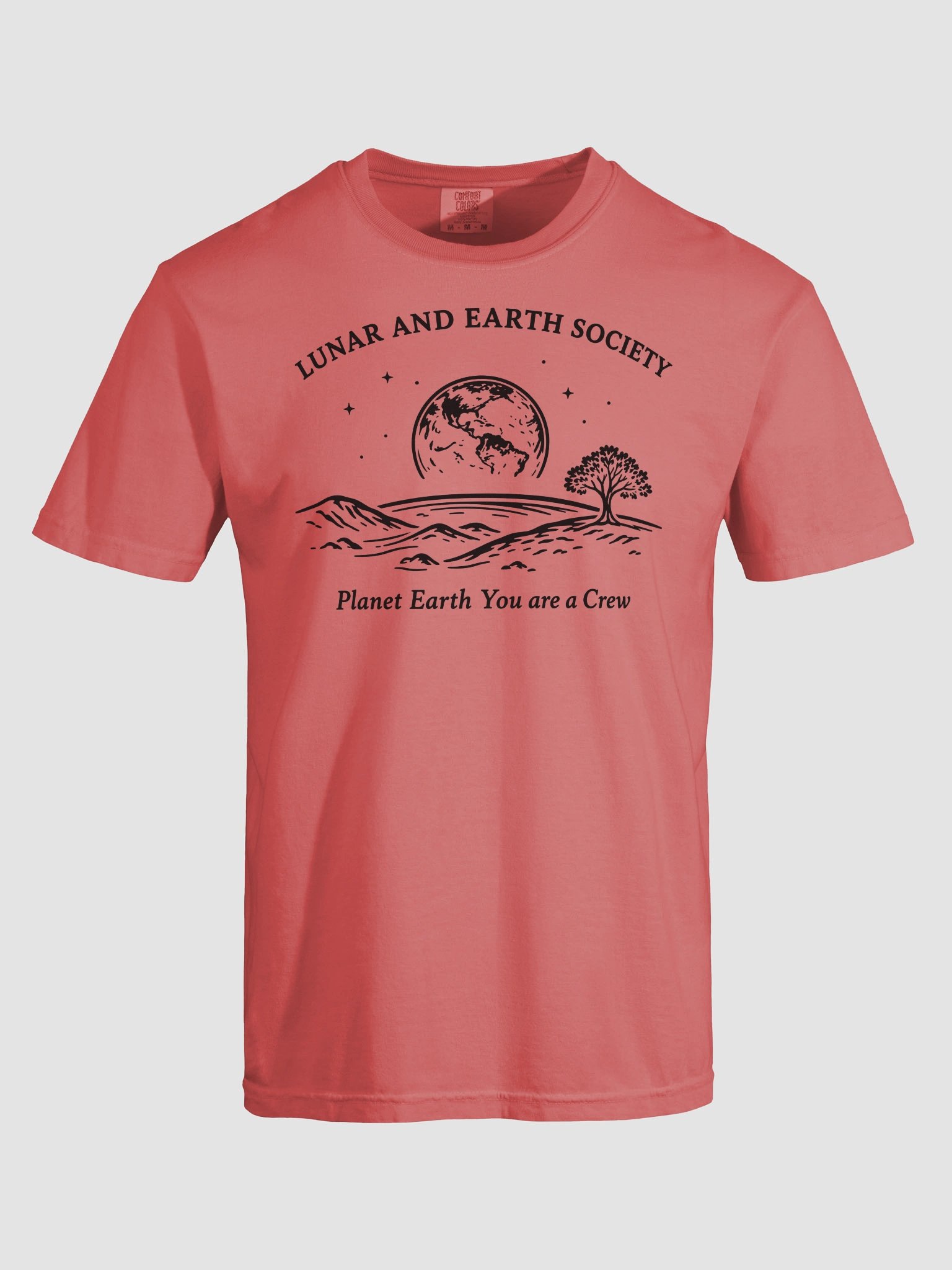
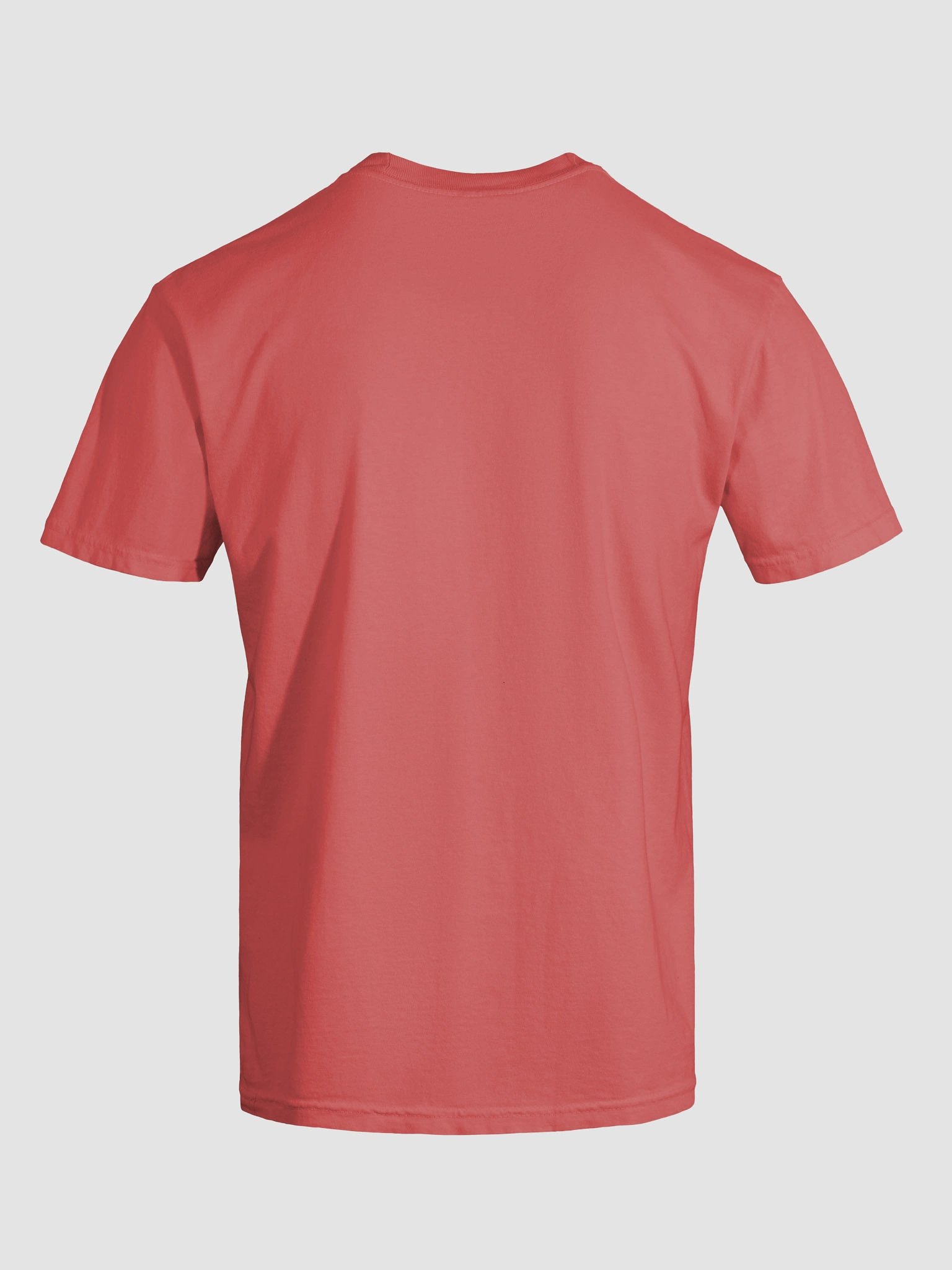
Earth Month Shirt Lunar Earth Society Shirt “Planet Earth You Are a Crew” Quote Premium Soft Tee
What if you saw Earth differently… would you treat it differently?
Most of us go through life without ever stepping back far enough to see what really matters.
That’s the idea behind this piece.
Here’s why people love it:
-
Premium Comfort Colors 1717 - soft-washed, broken-in feel from day one
-
100% ring-spun cotton - breathable, durable, and made to last
-
Heavyweight (6.1 oz) - structured, luxury feel (not thin or flimsy)
-
Relaxed fit - easy, everyday wear that still looks elevated
-
Minimalist design - clean and bold aesthetic
The meaning behind it:
This isn’t just a shirt.
Lunar and Earth Society exists to help people see Earth from a distance, so they value it up close.
The phrase
“Planet Earth You Are a Crew”
is inspired by the Artemis II crew and is a reminder that we’re all connected… whether we act like it or not.
The vibe:
-
Quiet luxury
-
Thought-provoking
-
Minimal but intentional
This is the kind of piece people ask about.
Perfect for:
-
Earth Day or Month (without the cliché)
-
Minimalist wardrobes
-
Space + nature lovers
-
Anyone building a purpose-driven lifestyle
Fit & Feel:
True to size with a relaxed silhouette.
Size up for an oversized look.
Wear the perspective. 🌍
Earth Month Shirt Lunar Earth Society Shirt “Planet Earth You Are a Crew” Quote Premium Soft Tee Size Guide

| Size label | Length | Width | Sleeve length |
|---|---|---|---|
|
S
|
26.62
|
18.25
|
16.25
|
|
M
|
28
|
20.25
|
17.75
|
|
L
|
29.37
|
22
|
19
|
|
XL
|
30.75
|
24
|
20 1/2
|
|
2XL
|
31.62
|
26
|
21.75
|
|
3XL
|
32 1/2
|
27.75
|
23.25
|
|
4XL
|
33 1/2
|
29.75
|
24.63
|
2. When did Earth Day become a global event celebrated worldwide?
Earth Day started in the United States, but it didn’t stay there for long. By 1990, it had grown into a global event, with people in more than 140 countries joining in.
This made Earth Day one of the first worldwide movements focused on protecting the environment. Today, people all over the world celebrate it by learning, sharing ideas, and taking action to care for the Earth.
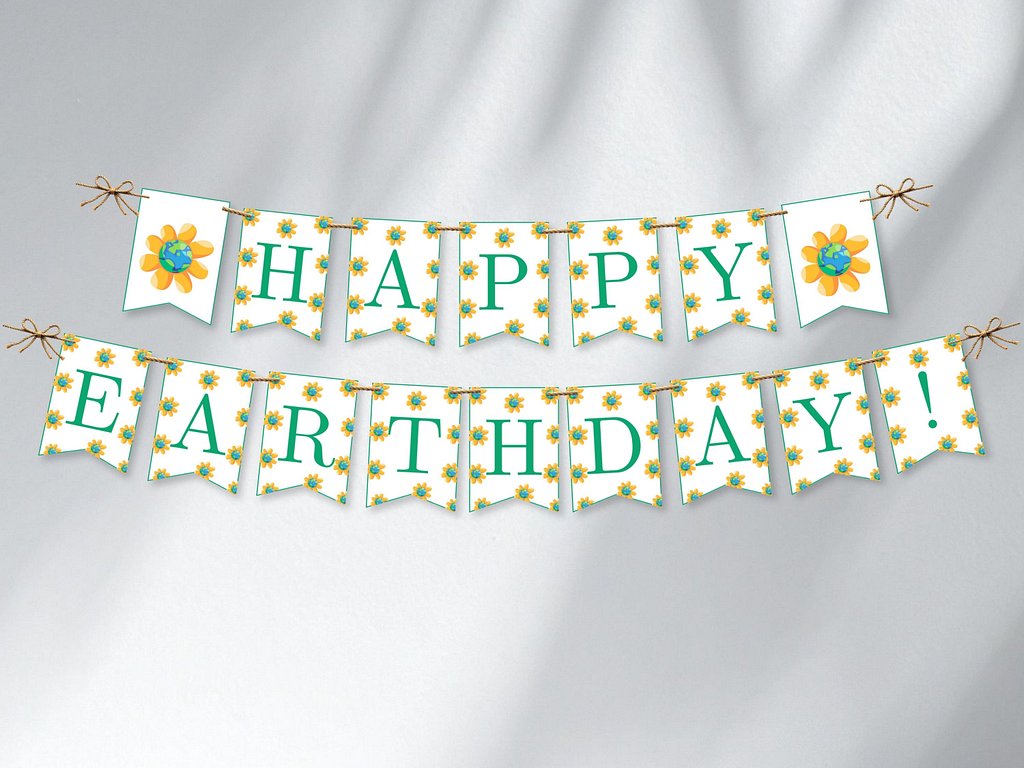
Happy Earth Day Printable Bunting Banner
Bring a fresh, eco-inspired touch to your space with this Happy Earth Day Printable Bunting Banner perfect for classrooms, homeschools, offices, and Earth Day celebrations.
3. Which major environmental agency was created shortly after the first Earth Day?
Soon after the first Earth Day, the U.S. government created the Environmental Protection Agency, also known as the EPA. This agency was formed to help protect human health and the environment.
It sets rules to reduce pollution, keeps water safe to drink, and works to make the air cleaner. Earth Day helped show leaders that people cared deeply about these issues and wanted stronger protections.
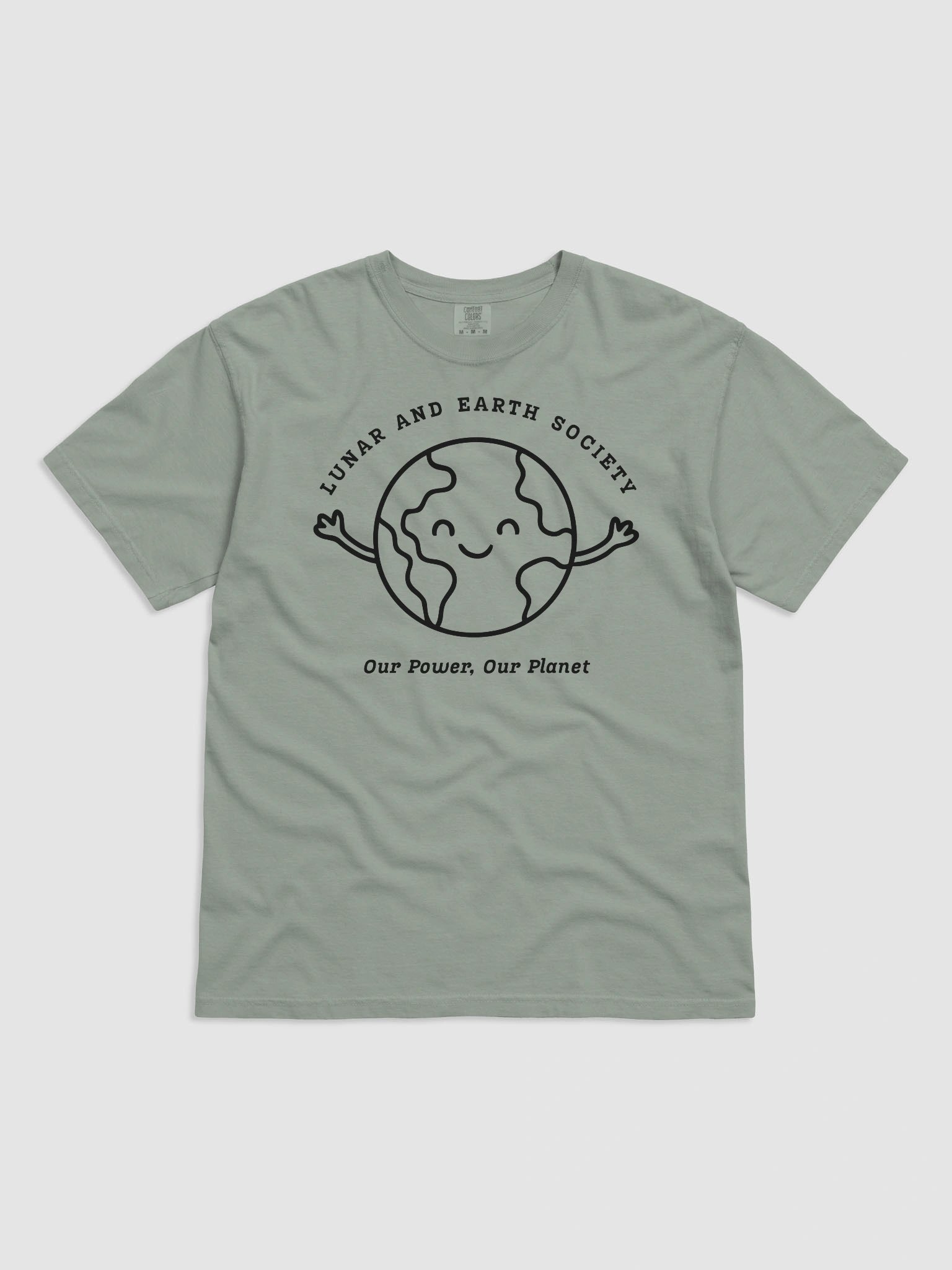
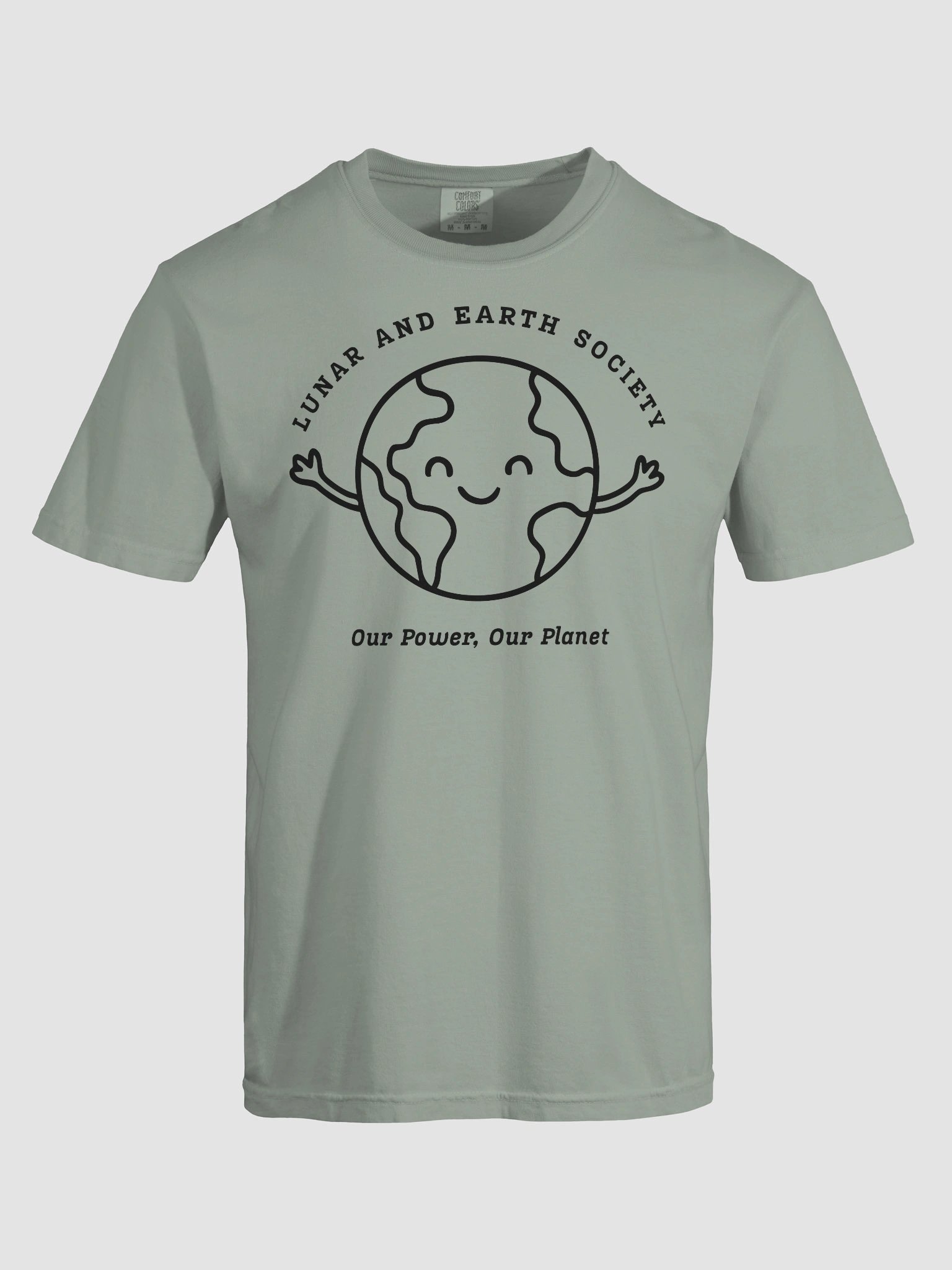
Fun Earth Month Shirt Lunar Earth Society Premium Soft Tee
What if you saw Earth differently… would you treat it differently?
Most of us go through life without ever stepping back far enough to see what really matters.
That’s the idea behind this piece.
Here’s why people love it:
-
Premium Comfort Colors 1717 - soft-washed, broken-in feel from day one
-
100% ring-spun cotton - breathable, durable, and made to last
-
Heavyweight (6.1 oz) - structured, luxury feel (not thin or flimsy)
-
Relaxed fit - easy, everyday wear that still looks elevated
-
Minimalist design - clean and bold aesthetic
The meaning behind it:
This isn’t just a shirt.
Lunar and Earth Society exists to help people see Earth from a distance, so they value it up close.
The phrase
“Planet Earth You Are a Crew”
is inspired by the Artemis II crew and is a reminder that we’re all connected… whether we act like it or not.
The vibe:
-
Quiet luxury
-
Thought-provoking
-
Minimal but intentional
This is the kind of piece people ask about.
Perfect for:
-
Earth Day or Month (without the cliché)
-
Minimalist wardrobes
-
Space + nature lovers
-
Anyone building a purpose-driven lifestyle
Fit & Feel:
True to size with a relaxed silhouette.
Size up for an oversized look.
Wear the perspective. 🌍
Fun Earth Month Shirt Lunar Earth Society Premium Soft Tee Size Guide
| Size label | Length | Width | Sleeve length |
|---|---|---|---|
|
S
|
26.62
|
18.25
|
16.25
|
|
M
|
28
|
20.25
|
17.75
|
|
L
|
29.37
|
22
|
19
|
|
XL
|
30.75
|
24
|
20 1/2
|
|
2XL
|
31.62
|
26
|
21.75
|
|
3XL
|
32 1/2
|
27.75
|
23.25
|
|
4XL
|
33 1/2
|
29.75
|
24.63
|
4. Why was April 22 chosen as the official date for Earth Day?
April 22 was chosen because it worked well for students and schools. The date falls between spring break and final exams, making it easier for young people to take part.
The founders of Earth Day wanted students to be involved because they knew the future of the planet depends on the next generation. Picking this date helped bring more people together to learn and take action.
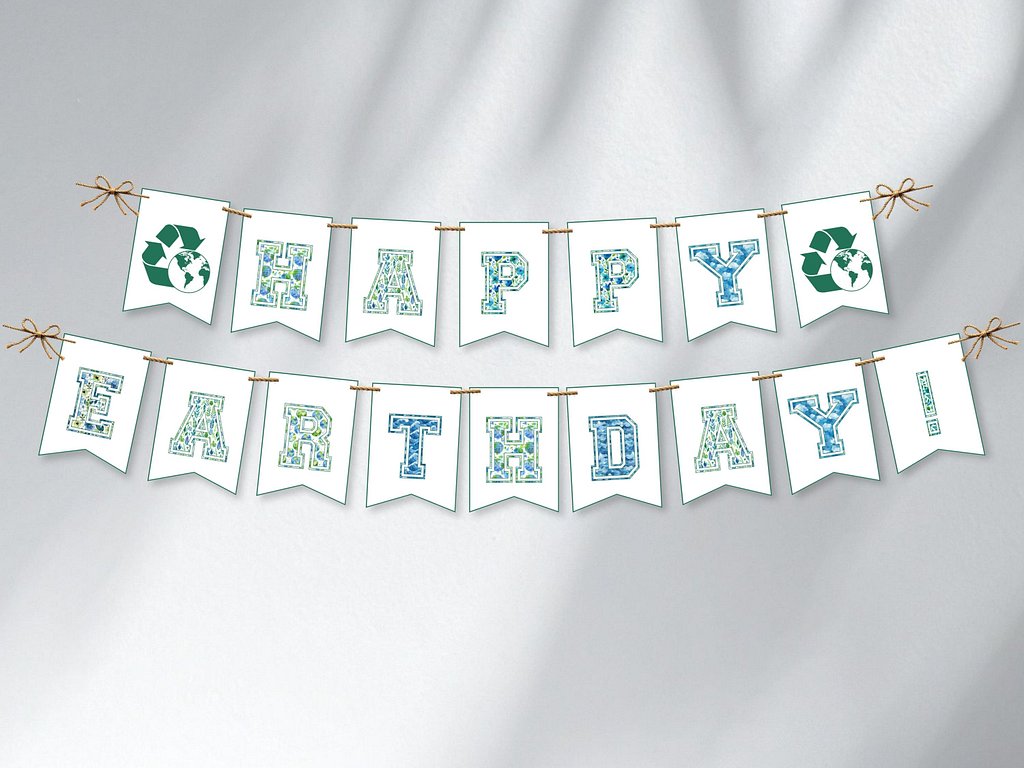
Earth Day Printable Banner Environmental Awareness Nature Lover Instant Download Gift
Whether you’re hosting an Earth Day party, decorating your learning space, or simply celebrating nature, this DIY printable makes it easy to create a beautiful, cohesive look in minutes.
5. How many people around the world participate in Earth Day each year?
Today, more than 1 billion people take part in Earth Day activities each year. That makes it one of the largest events in the world.
People from different countries, cultures, and backgrounds all join together with one shared goal, protecting the Earth. From small classroom projects to large community events, every action counts.
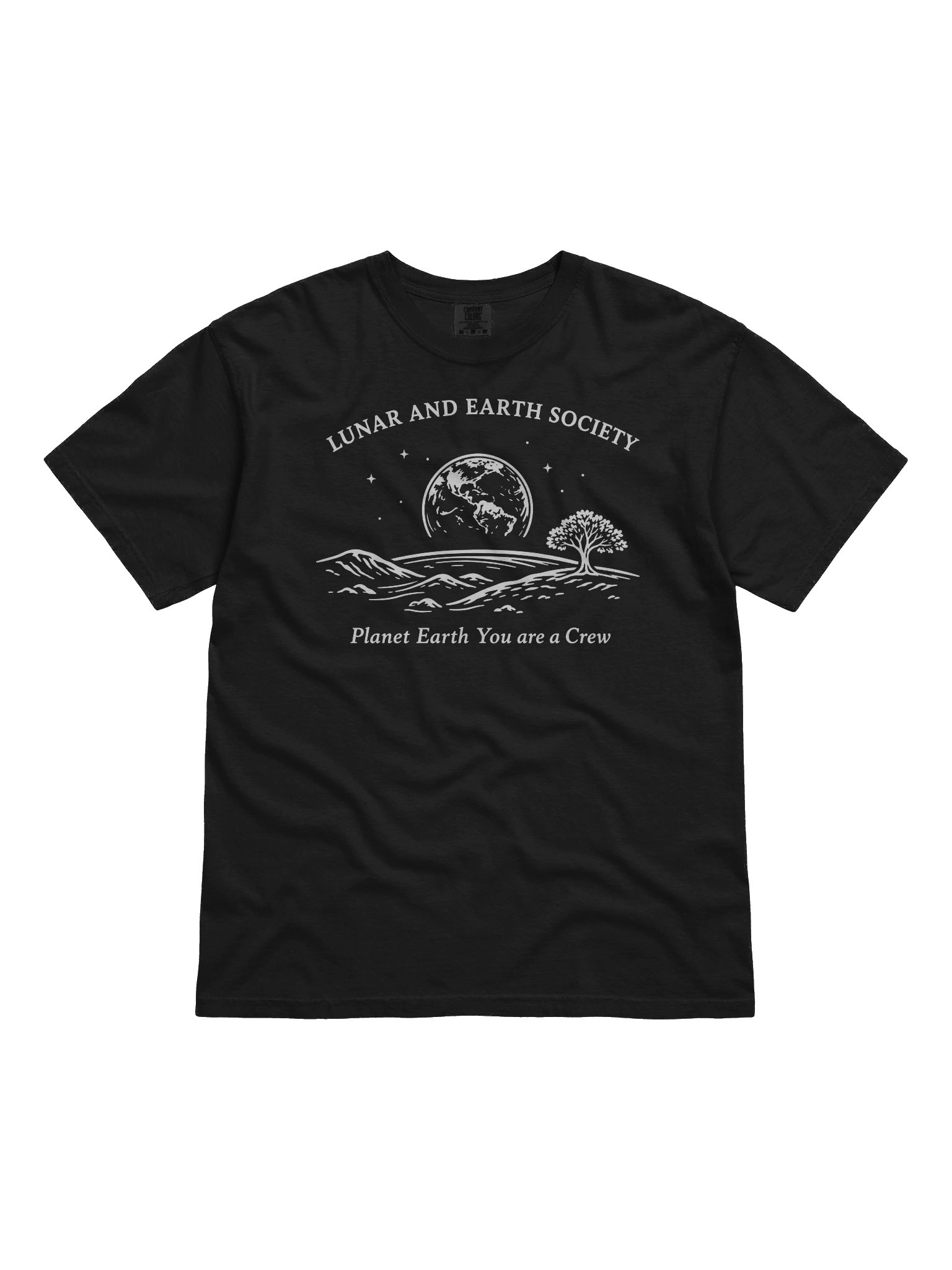
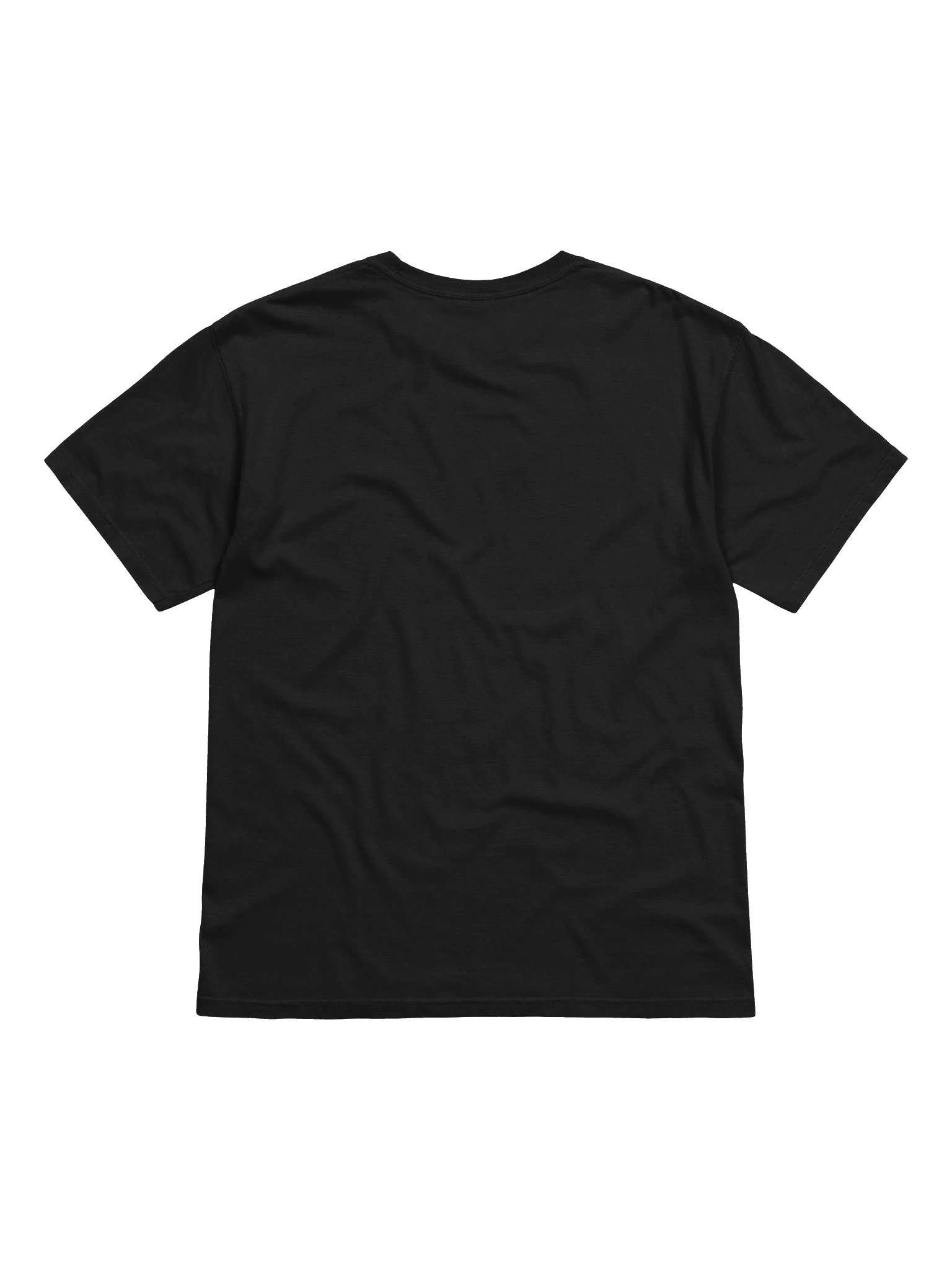
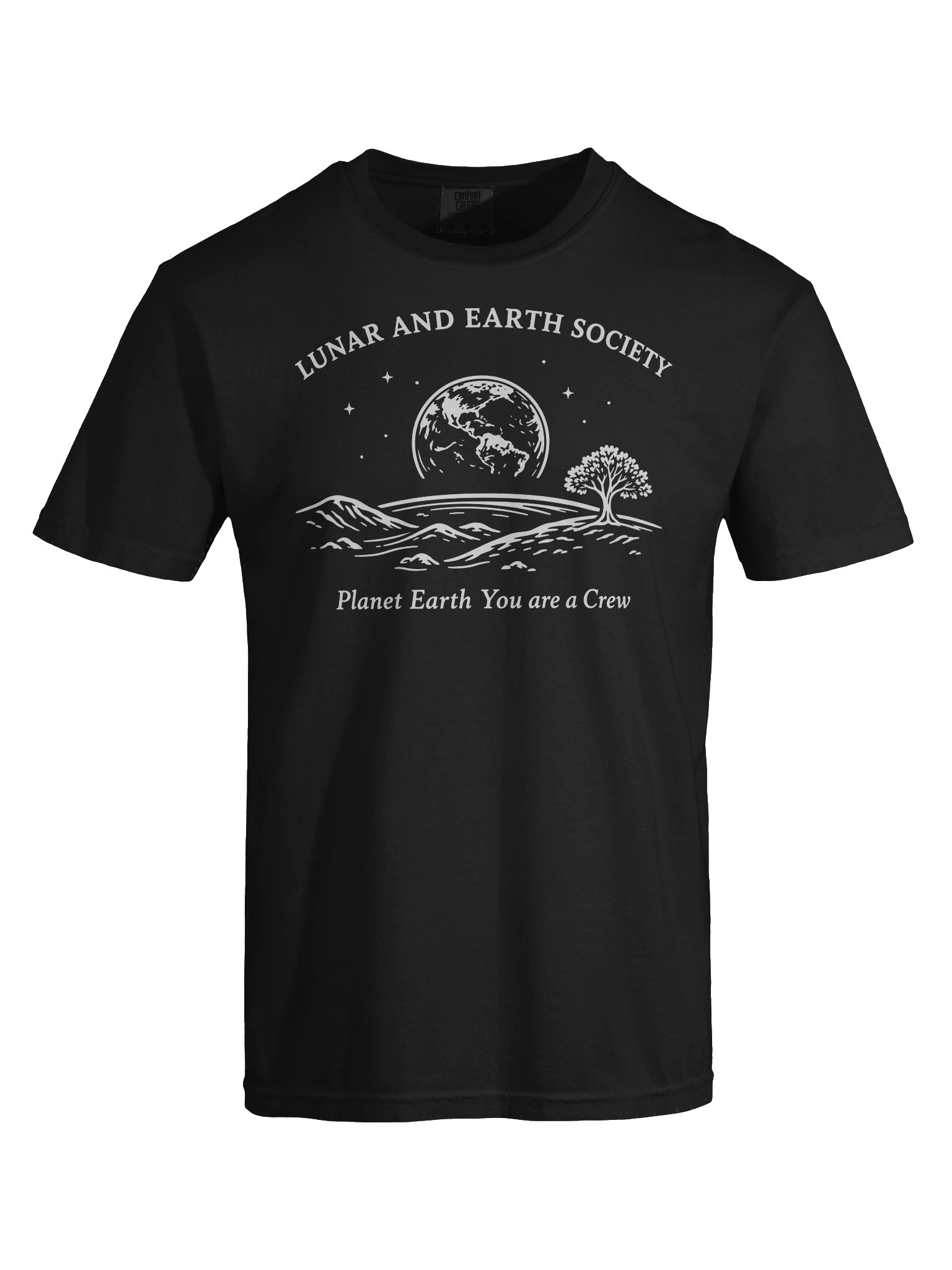

April 22 Earth Month Shirt Lunar Earth Society Shirt “Planet Earth You Are a Crew” Quote Premium Soft Tee
What if you saw Earth differently… would you treat it differently?
Most of us go through life without ever stepping back far enough to see what really matters.
That’s the idea behind this piece.
Here’s why people love it:
-
Premium Comfort Colors 1717 - soft-washed, broken-in feel from day one
-
100% ring-spun cotton - breathable, durable, and made to last
-
Heavyweight (6.1 oz) - structured, luxury feel (not thin or flimsy)
-
Relaxed fit - easy, everyday wear that still looks elevated
-
Minimalist design - clean and bold aesthetic
The meaning behind it:
This isn’t just a shirt.
Lunar and Earth Society exists to help people see Earth from a distance, so they value it up close.
The phrase
“Planet Earth You Are a Crew”
is inspired by the Artemis II crew and is a reminder that we’re all connected… whether we act like it or not.
The vibe:
-
Quiet luxury
-
Thought-provoking
-
Minimal but intentional
This is the kind of piece people ask about.
Perfect for:
-
Earth Day or Month (without the cliché)
-
Minimalist wardrobes
-
Space + nature lovers
-
Anyone building a purpose-driven lifestyle
Fit & Feel:
True to size with a relaxed silhouette.
Size up for an oversized look.
Wear the perspective. 🌍
April 22 Earth Month Shirt Lunar Earth Society Shirt “Planet Earth You Are a Crew” Quote Premium Soft Tee Size Guide
| Size label | Length | Width | Sleeve length |
|---|---|---|---|
|
S
|
26.62
|
18.25
|
16.25
|
|
M
|
28
|
20.25
|
17.75
|
|
L
|
29.37
|
22
|
19
|
|
XL
|
30.75
|
24
|
20 1/2
|
|
2XL
|
31.62
|
26
|
21.75
|
|
3XL
|
32 1/2
|
27.75
|
23.25
|
|
4XL
|
33 1/2
|
29.75
|
24.63
|
6. What are some everyday eco-friendly actions people take to celebrate Earth Day?
People celebrate Earth Day in many simple but meaningful ways. Some plant trees or flowers to help nature grow. Others pick up trash in their neighborhoods or parks. Many people try to reduce waste by recycling, using less plastic, or saving water and energy.
These small actions may seem simple, but when many people do them, they make a big difference.
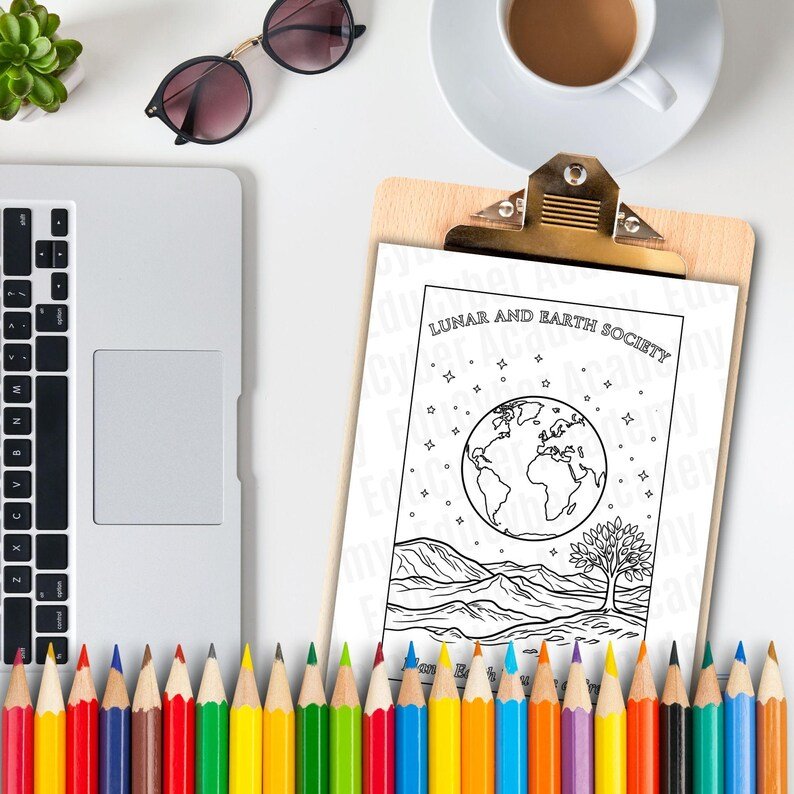
Earth Day Coloring Page Lunar and Earth Society Printable
What if you could see Earth from the Moon?
This minimalist coloring page is designed to help both kids and adults slow down, get creative, and see our planet from a completely different perspective.
7. What type of educational event inspired the very first Earth Day?
The first Earth Day was inspired by something called a “teach-in.” Teach-ins were events where people gathered to learn about important issues and discuss ideas. They were popular during the 1960s, especially on college campuses.
Earth Day used this same idea to teach people about the environment and how to protect it. Learning was a big part of the movement from the very beginning.
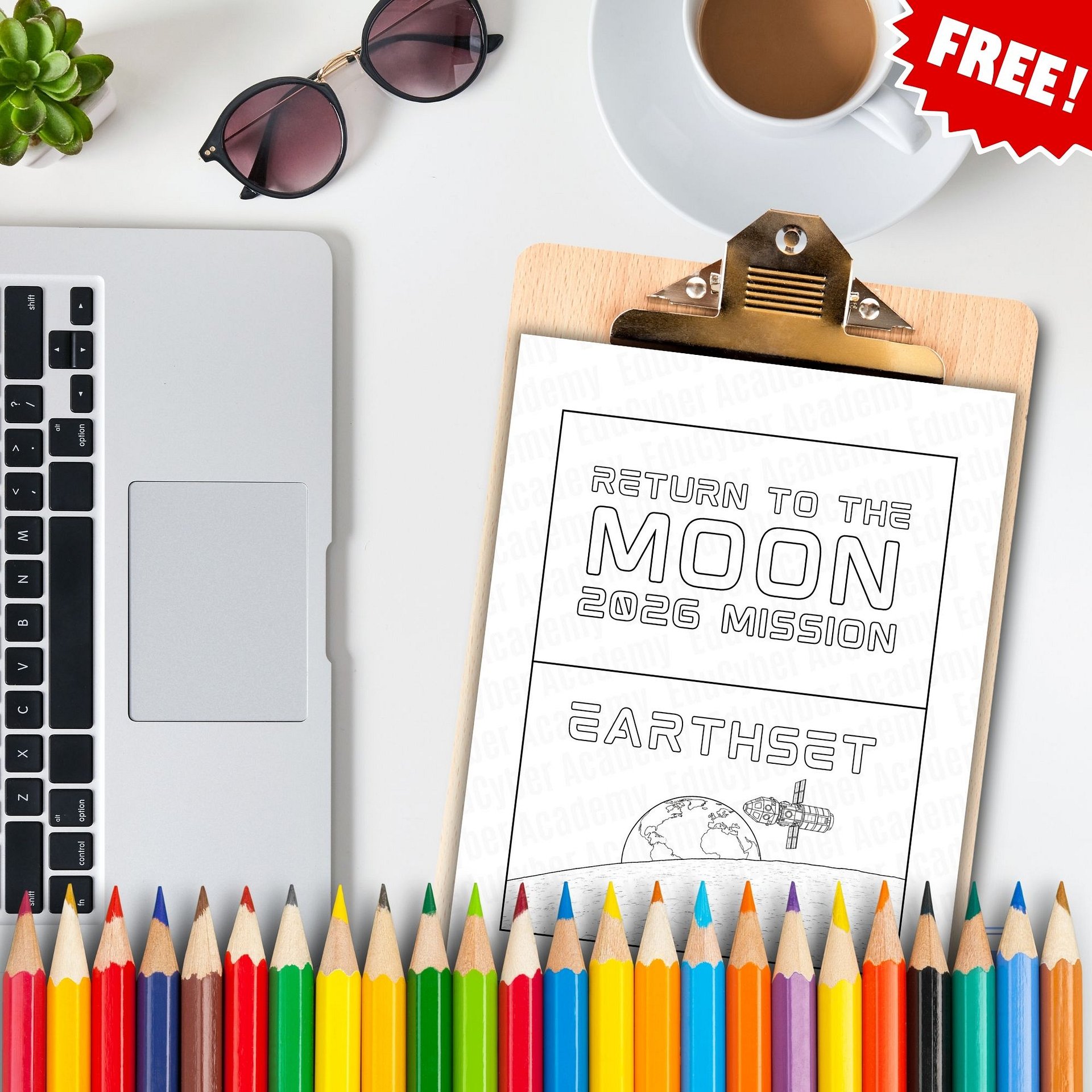
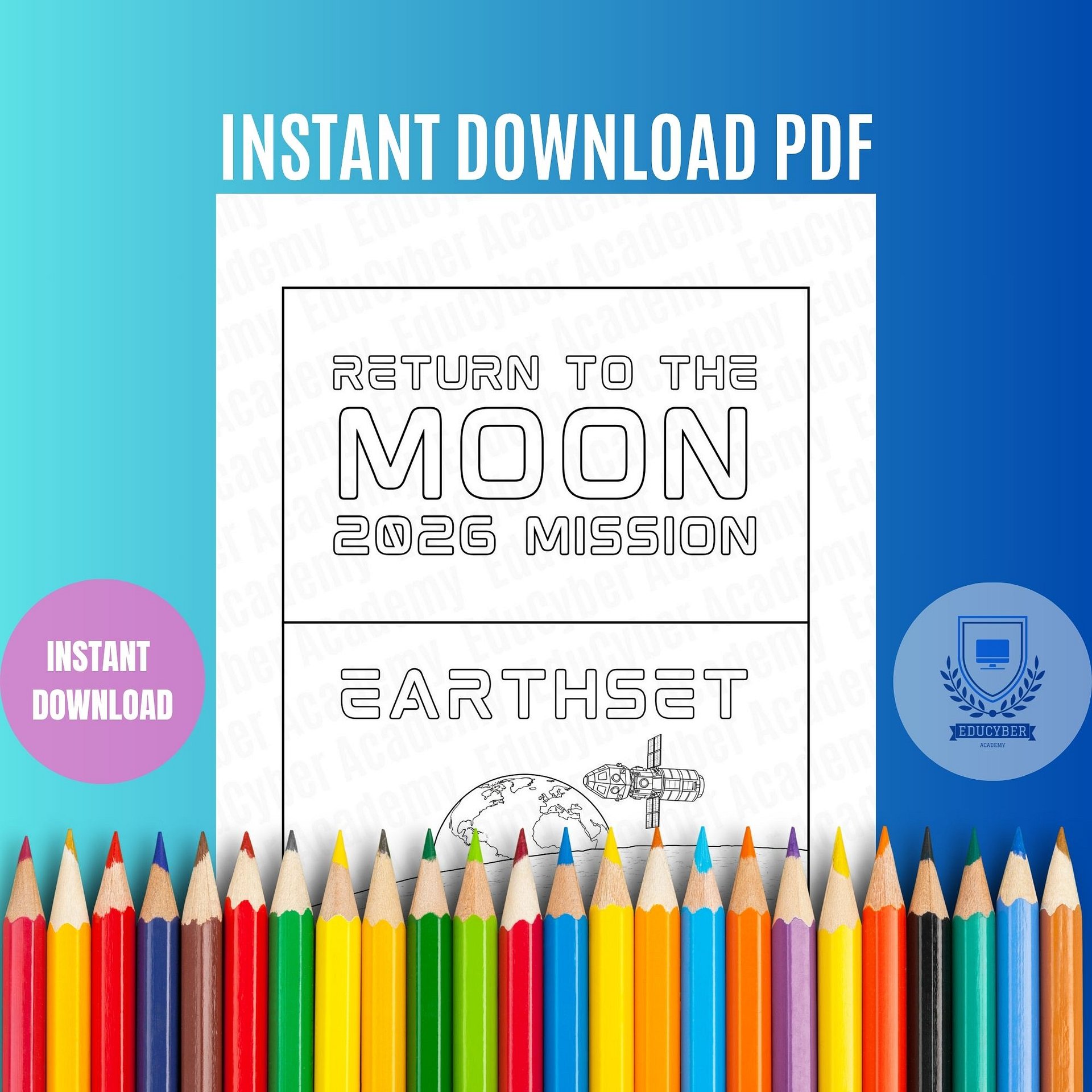
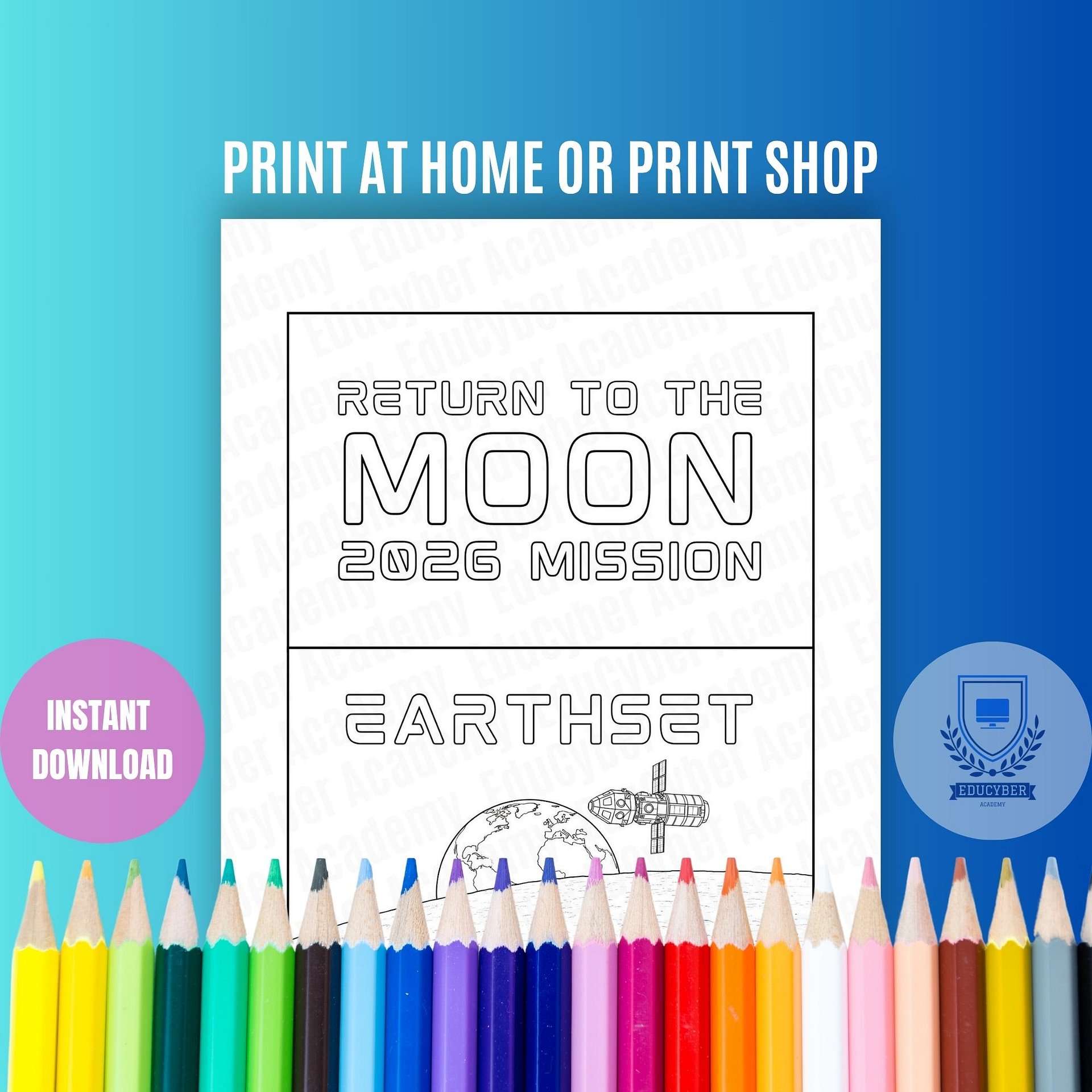
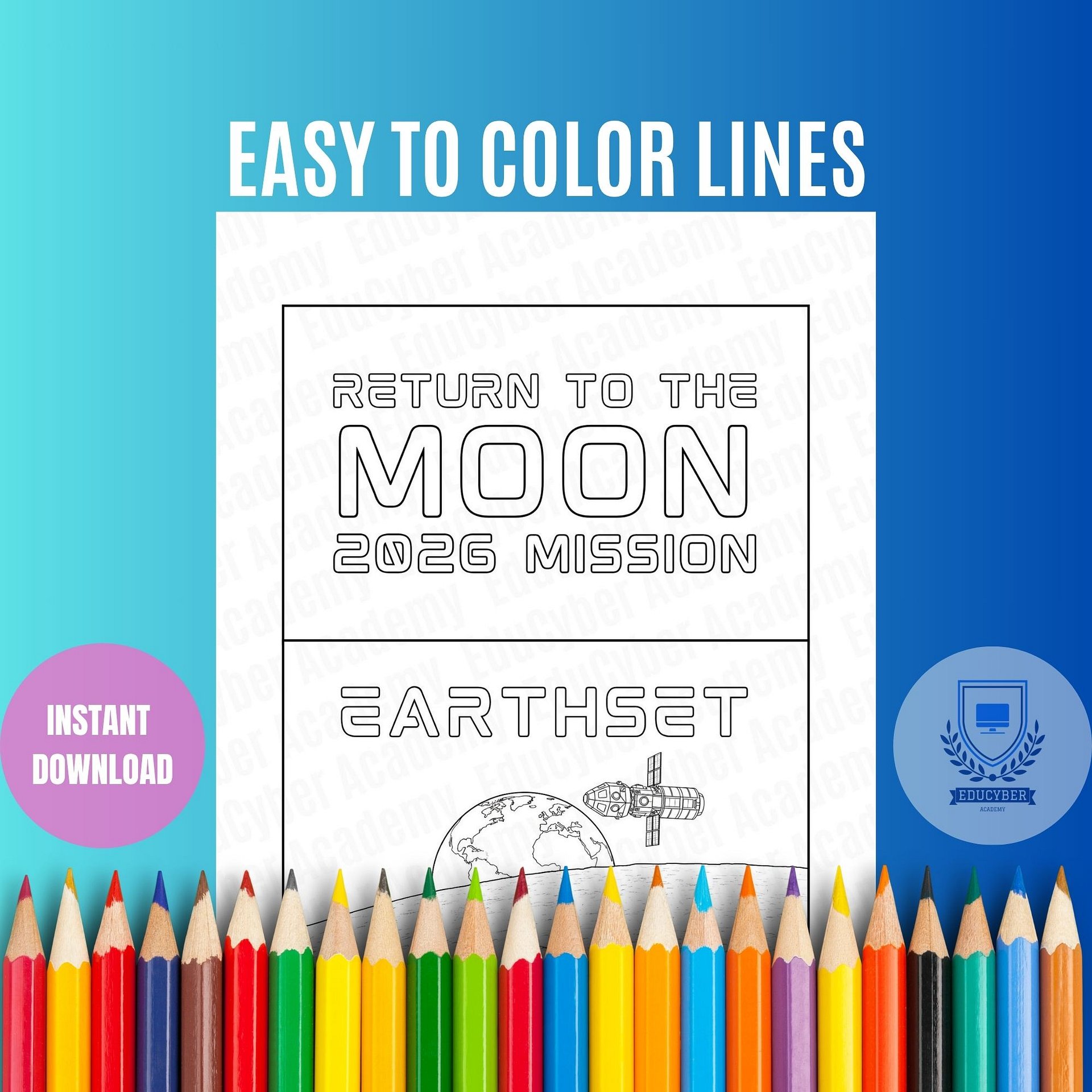
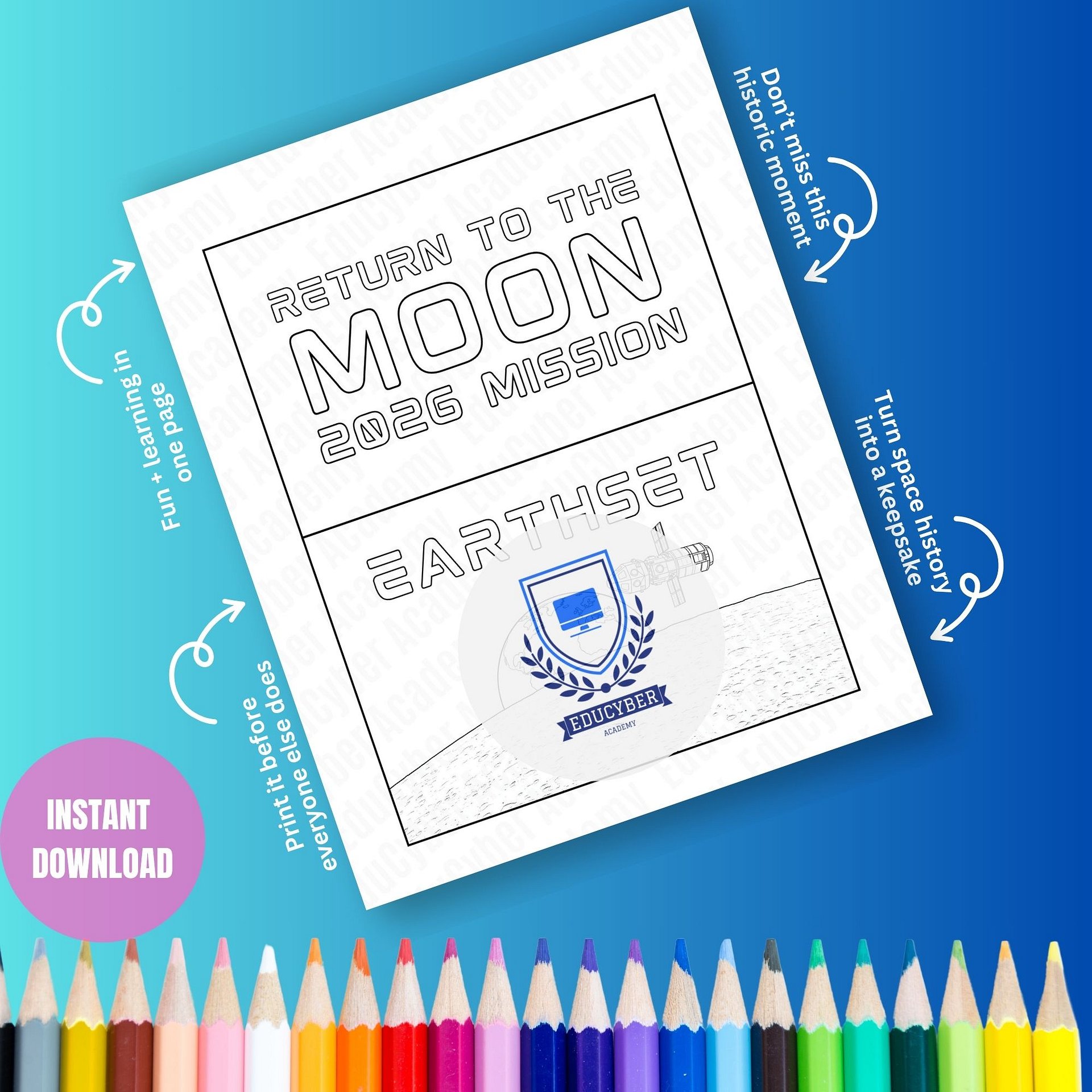
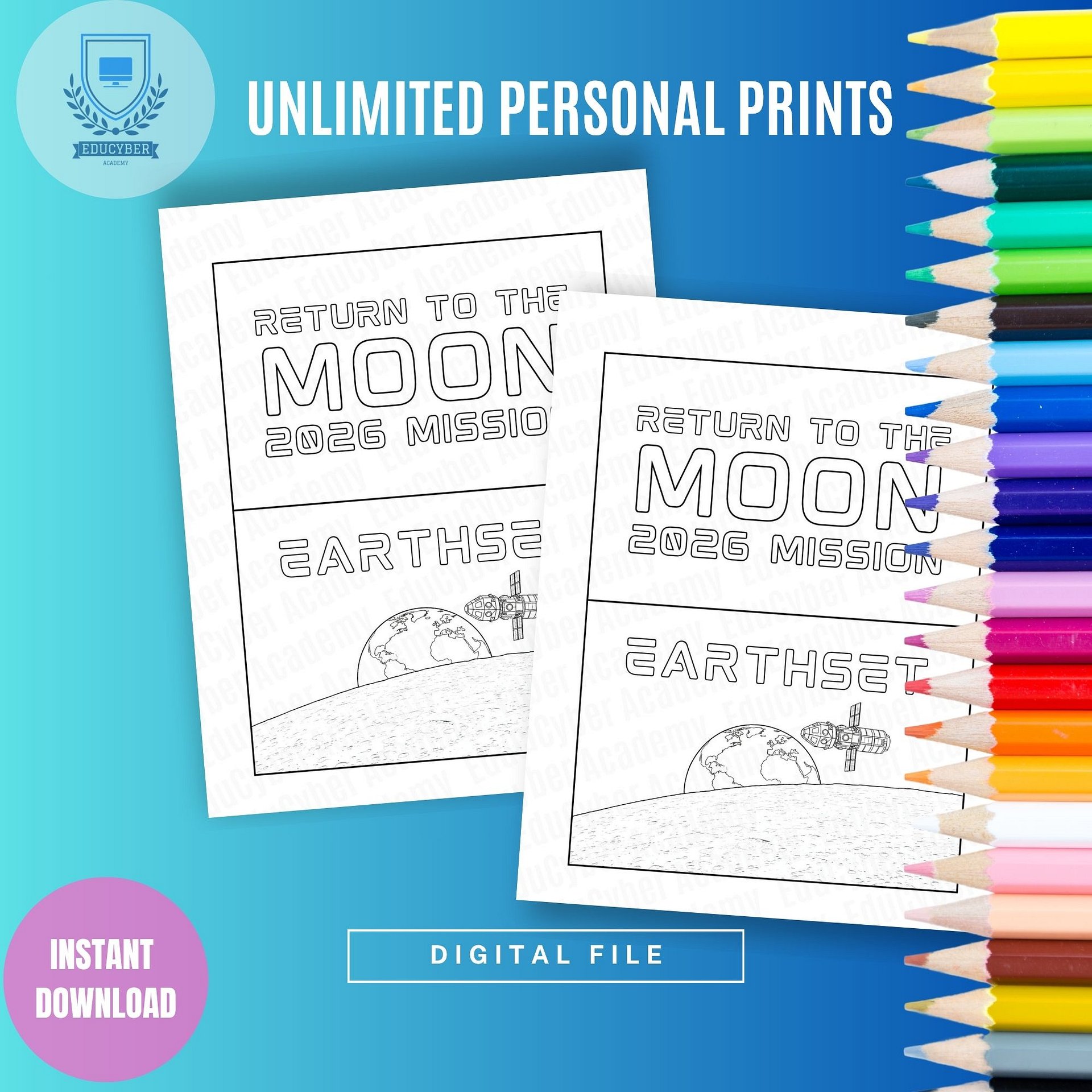
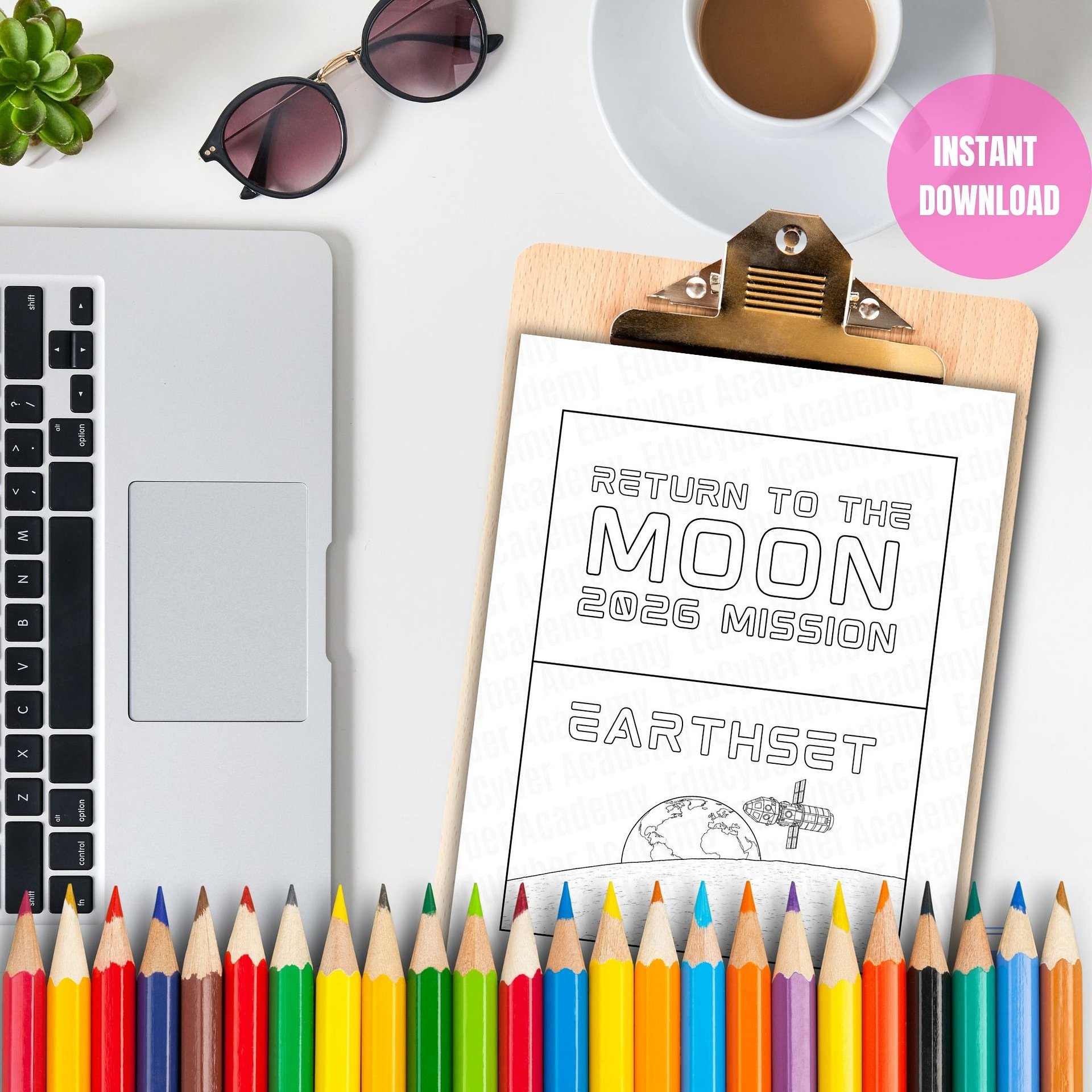
Free Moon Mission Coloring Page, Gift and Keepsake Idea, Printable PDF
Thanks for stopping by, enjoy this free Moon mission coloring page as our gift to you.
Want a simple way to capture a moment in space history?
This free Moon mission coloring page features a powerful scene, Earth rising behind the Moon with a spacecraft in view. It’s calm, inspiring, and instantly reminds you how small we are… and how far we’ve come 🚀
Whether you’re coloring for fun, learning, or just taking a break, this page turns a real space moment into something you can actually experience.
Why people love it:
✔ Inspired by real Moon mission visuals
✔ Perfect for kids and adults
✔ A meaningful keepsake you can print anytime
What you’ll receive:
- 1 high-resolution PDF (8.5" x 11")
- Vertical layout, ready to print
- Unlimited personal use
Perfect for:
✔ Space lovers & future astronauts
✔ STEM learning activities
✔ Classroom or homeschool use
✔ Relaxing creative time
✔ A unique, printable gift
The real reason this matters…
Moments like this don’t come often.
This isn’t just a coloring page, it’s a small way to connect with a time when humans are reaching for the Moon again.
👉 Download your free copy and be part of the moment 🌕
8. Which tree-planting initiative is associated with Earth Day efforts?
Tree planting is a big part of many Earth Day celebrations. One well-known effort is The Canopy Tree Project, which focuses on planting trees around the world.
Trees are important because they clean the air, provide shade, and give homes to animals. By planting trees, people can help fight climate change and make the Earth healthier for future generations.
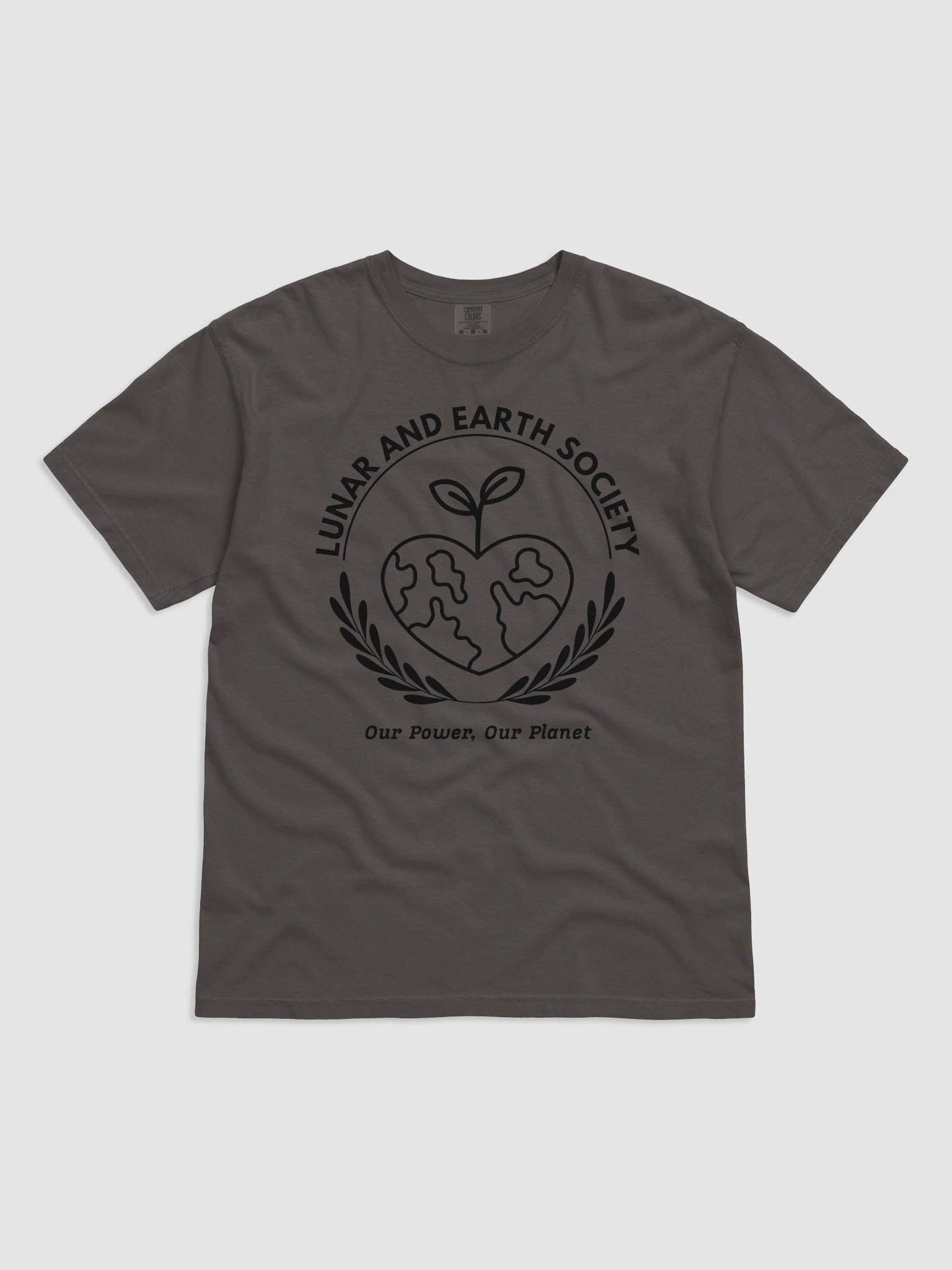
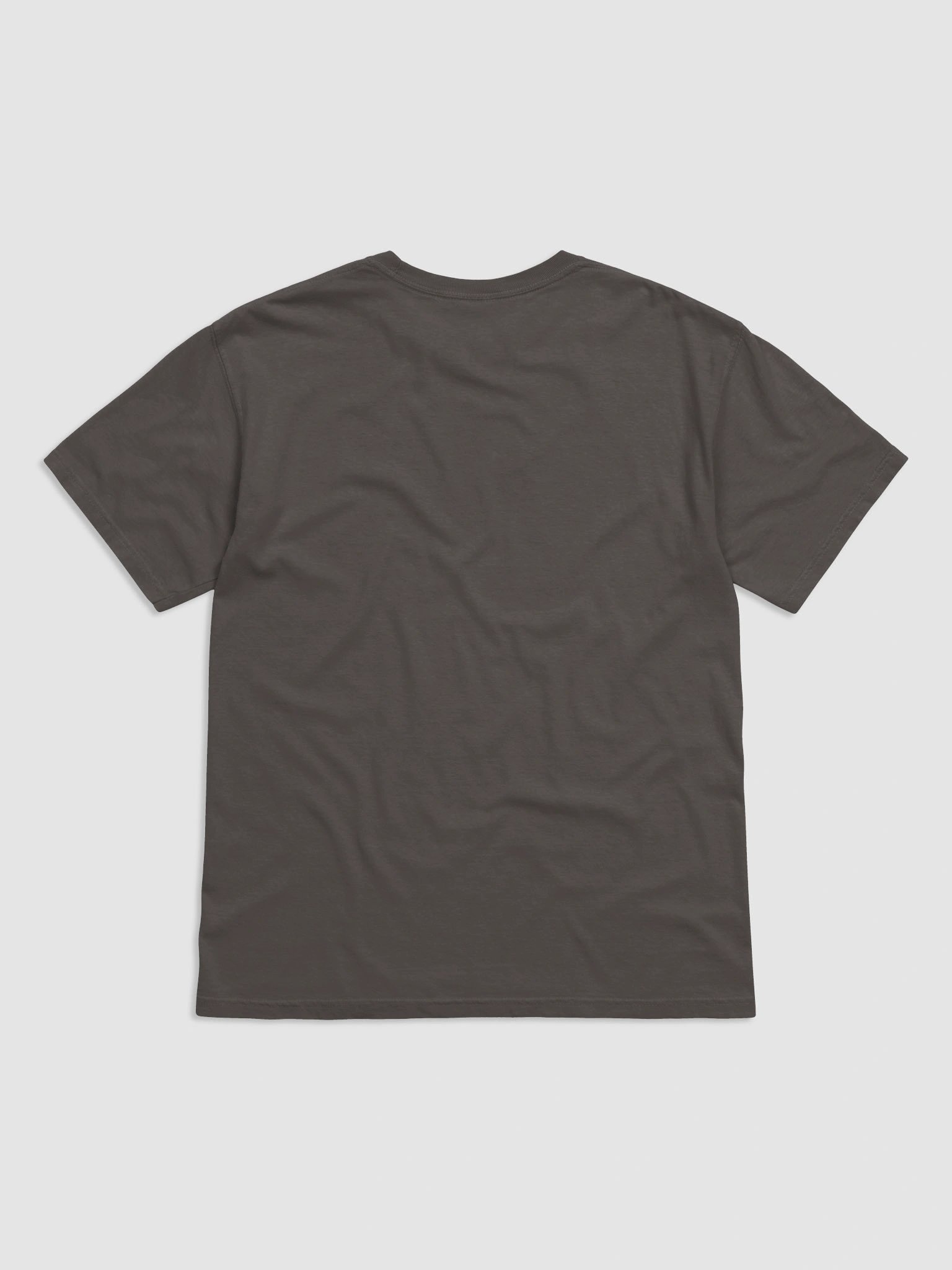
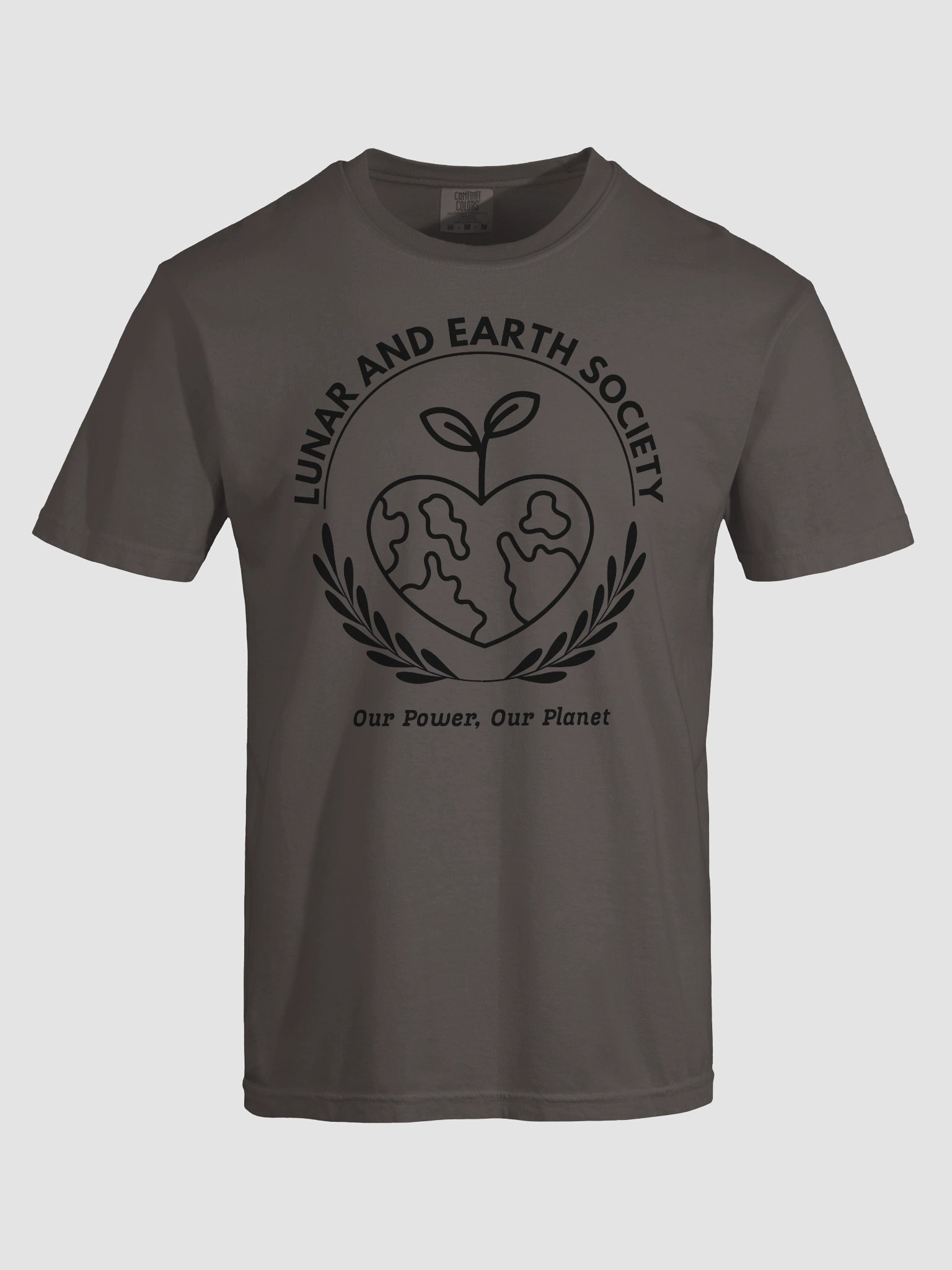
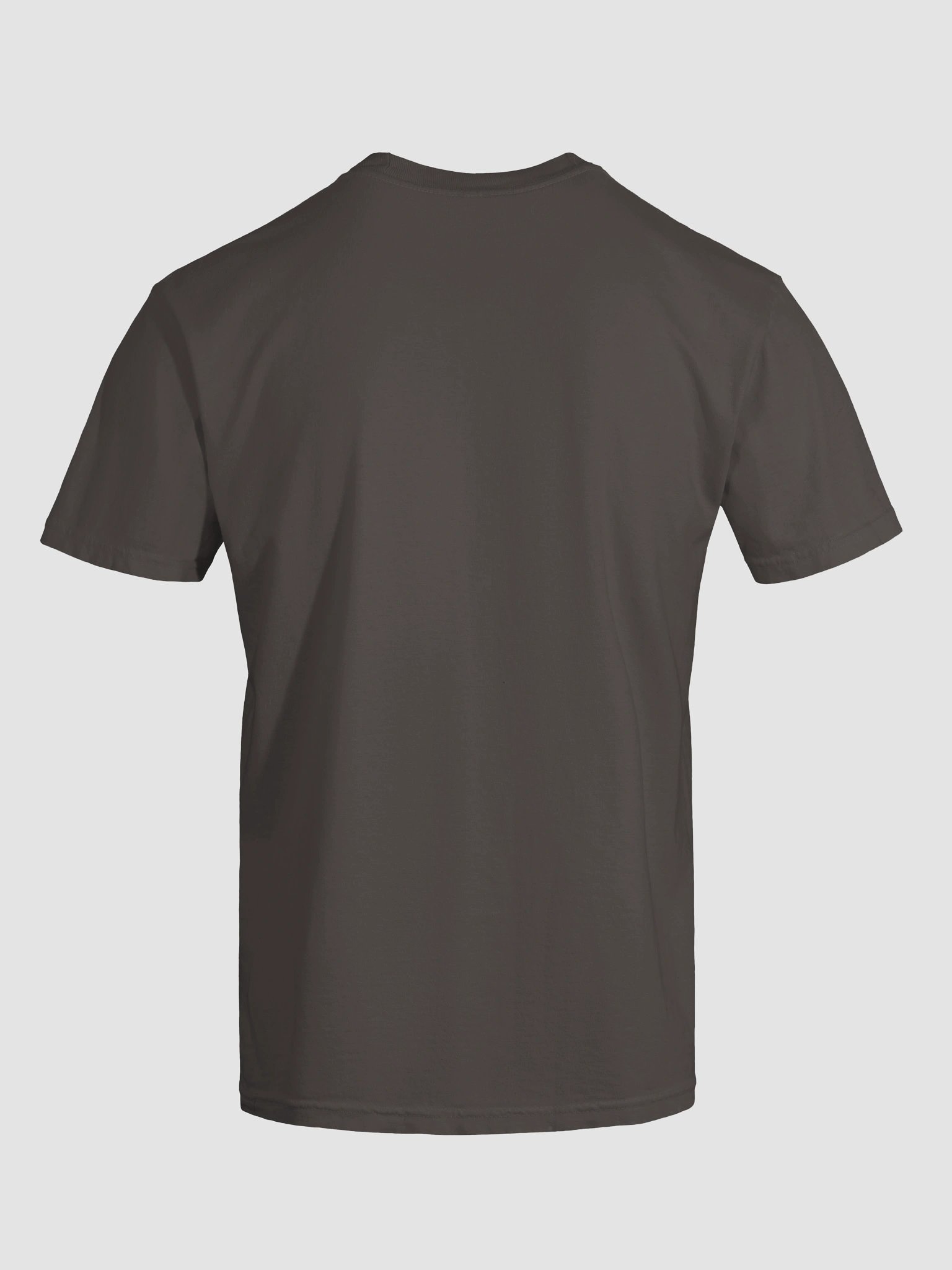
April Earth Month Premium Soft Tee "Our Power, Our Planet" Theme
What if you saw Earth differently… would you treat it differently?
Most of us go through life without ever stepping back far enough to see what really matters.
That’s the idea behind this piece.
Here’s why people love it:
-
Premium Comfort Colors 1717 - soft-washed, broken-in feel from day one
-
100% ring-spun cotton - breathable, durable, and made to last
-
Heavyweight (6.1 oz) - structured, luxury feel (not thin or flimsy)
-
Relaxed fit - easy, everyday wear that still looks elevated
-
Minimalist design - clean and bold aesthetic
The meaning behind it:
This isn’t just a shirt.
Lunar and Earth Society exists to help people see Earth from a distance, so they value it up close.
The vibe:
-
Quiet luxury
-
Thought-provoking
-
Minimal but intentional
This is the kind of piece people ask about.
Perfect for:
-
Earth Day or Month (without the cliché)
-
Minimalist wardrobes
-
Space + nature lovers
-
Anyone building a purpose-driven lifestyle
Fit & Feel:
True to size with a relaxed silhouette.
Size up for an oversized look.
Wear the perspective. 🌍
April Earth Month Premium Soft Tee "Our Power, Our Planet" Theme Size Guide
| Size label | Length | Width | Sleeve length |
|---|---|---|---|
|
S
|
26.62
|
18.25
|
16.25
|
|
M
|
28
|
20.25
|
17.75
|
|
L
|
29.37
|
22
|
19
|
|
XL
|
30.75
|
24
|
20 1/2
|
|
2XL
|
31.62
|
26
|
21.75
|
|
3XL
|
32 1/2
|
27.75
|
23.25
|
|
4XL
|
33 1/2
|
29.75
|
24.63
|
9. How did Earth Day help make recycling more popular?
Before Earth Day, recycling was not something most people thought about. Earth Day helped change that by raising awareness about waste and pollution.
As more people learned about the impact of trash on the planet, recycling became more common.
Today, many homes, schools, and businesses recycle items like paper, plastic, and glass as part of their daily routine.
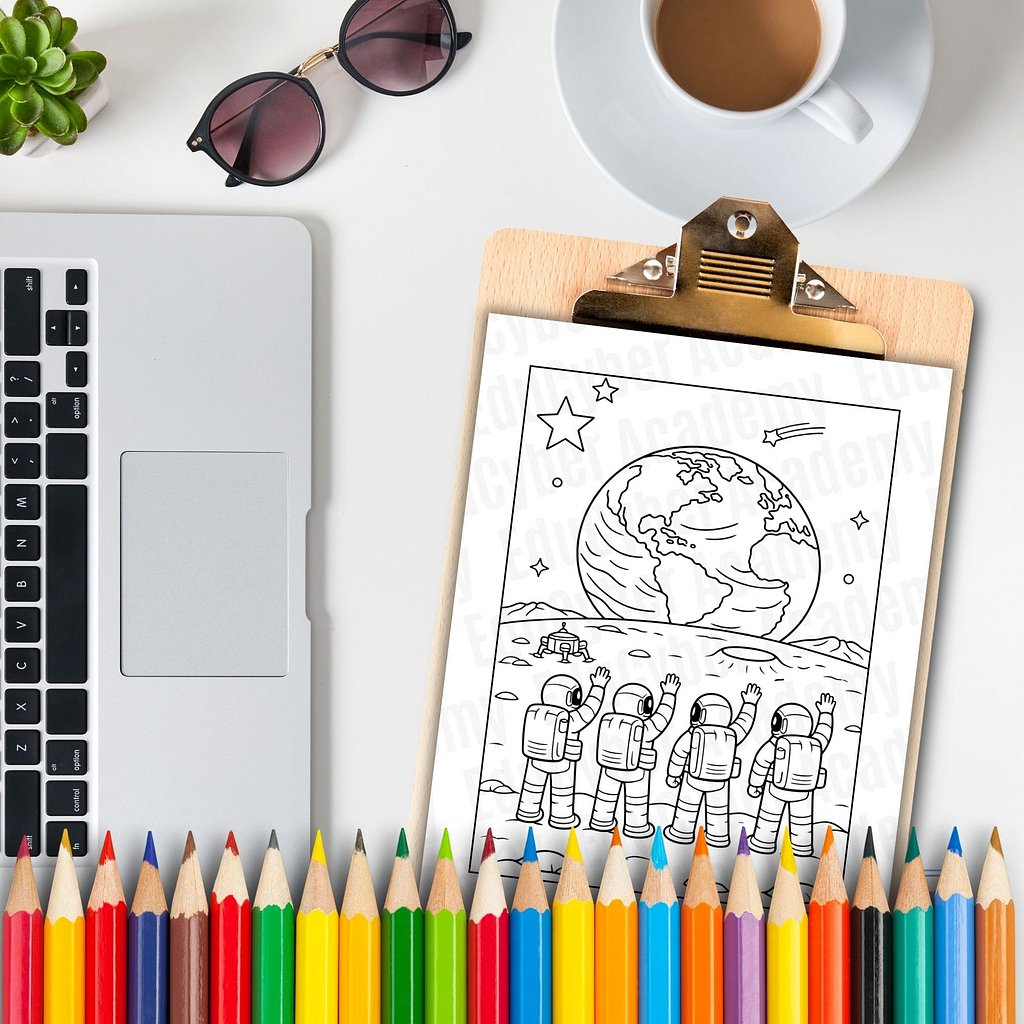
Astronauts Waving at Earth Coloring Page
Why you’ll love it:
• Thick, clean lines - easy to color for kids and adults
• Minimalist design - no distractions, just creativity
• Great for all ages - simple enough for kids, calming for adults
• Perfect for printing at home
• Ideal for Earth Day activities or year-round use
10. Does Earth Day have a different theme each year, and what kind of issues does it highlight?
Yes, Earth Day often has a different theme each year to focus on important environmental issues.
These themes can include topics like climate change, plastic pollution, clean energy, or protecting wildlife. The goal is to help people learn about specific problems and encourage them to take action. By changing the theme, Earth Day stays fresh and continues to inspire people around the world.
The Earth Day 2026 theme is “Our Power, Our Planet,” emphasizing collective action, renewable energy, and community-driven environmental solutions.
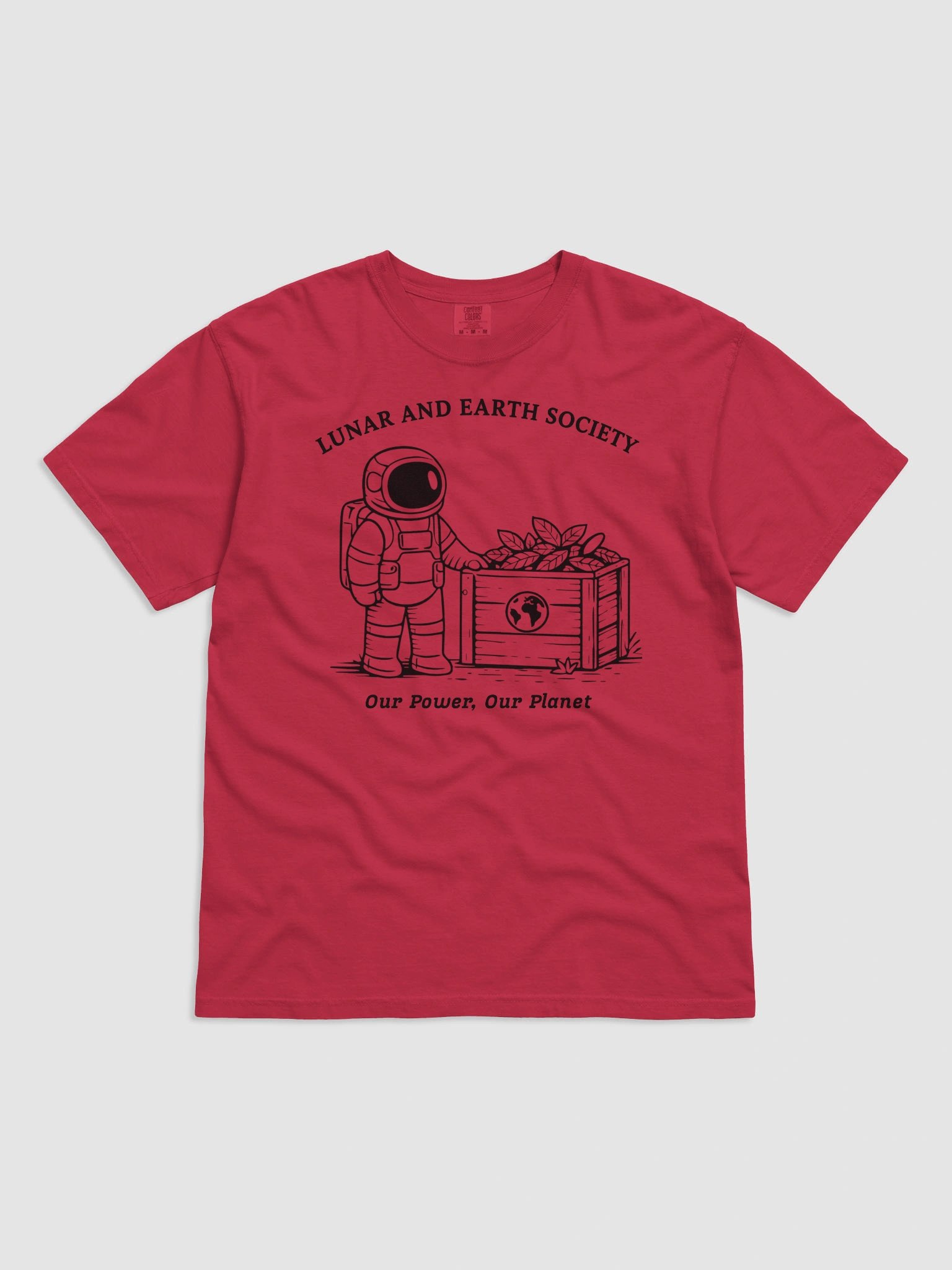
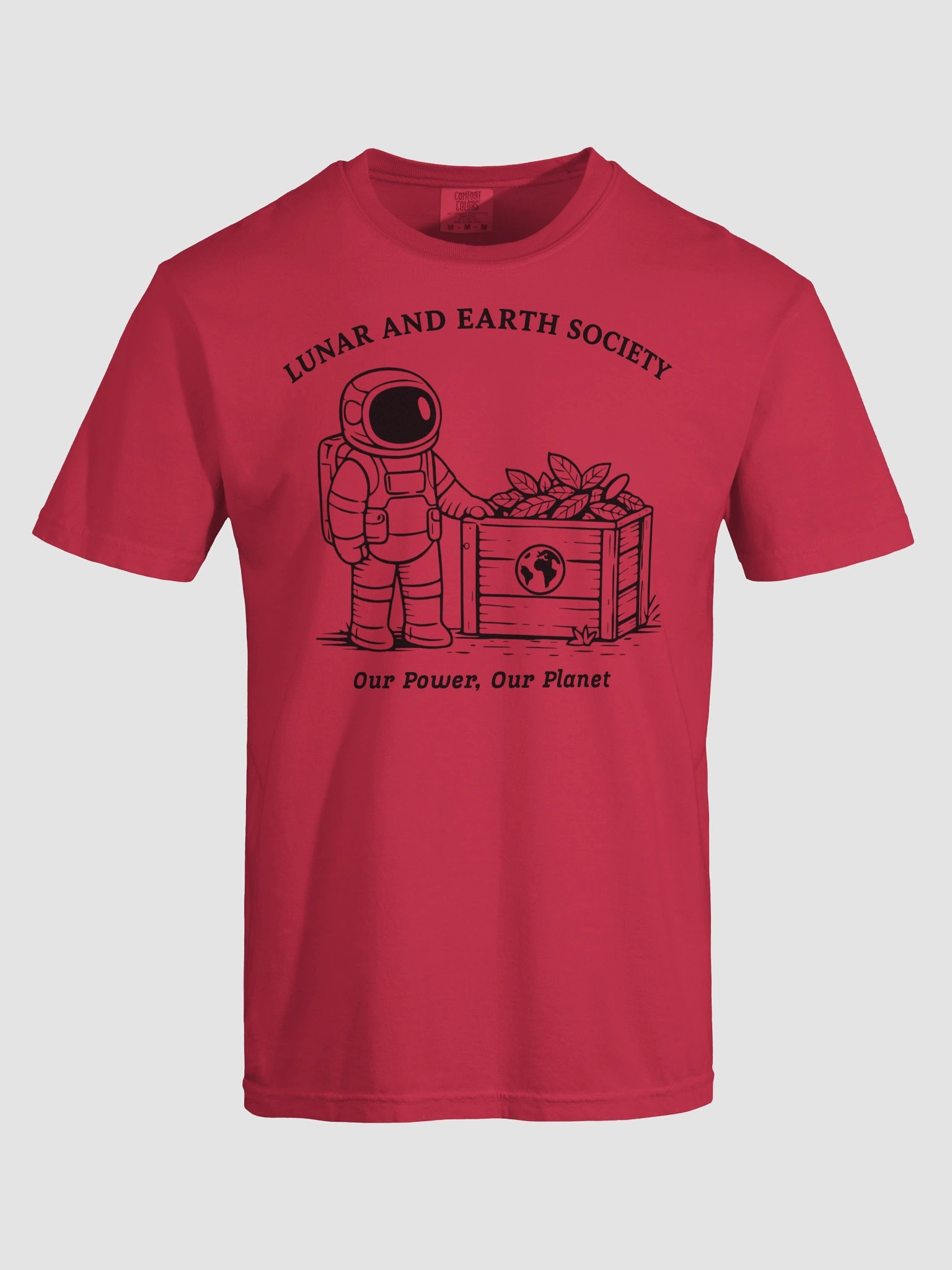
Earth Day Astronaut Theme Shirt Recycling Awareness T-shirt
What if you saw Earth differently… would you treat it differently?
Most of us go through life without ever stepping back far enough to see what really matters.
That’s the idea behind this piece.
Here’s why people love it:
-
Premium Comfort Colors 1717 - soft-washed, broken-in feel from day one
-
100% ring-spun cotton - breathable, durable, and made to last
-
Heavyweight (6.1 oz) - structured, luxury feel (not thin or flimsy)
-
Relaxed fit - easy, everyday wear that still looks elevated
-
Minimalist design - clean and bold aesthetic
The meaning behind it:
This isn’t just a shirt.
Lunar and Earth Society exists to help people see Earth from a distance, so they value it up close.
The vibe:
-
Quiet luxury
-
Thought-provoking
-
Minimal but intentional
This is the kind of piece people ask about.
Perfect for:
-
Earth Day or Month (without the cliché)
-
Minimalist wardrobes
-
Space + nature lovers
-
Anyone building a purpose-driven lifestyle
Fit & Feel:
True to size with a relaxed silhouette.
Size up for an oversized look.
Wear the perspective. 🌍
Earth Day Astronaut Theme Shirt Recycling Awareness T-shirt Size Guide
| Size label | Length | Width | Sleeve length |
|---|---|---|---|
|
S
|
26.62
|
18.25
|
16.25
|
|
M
|
28
|
20.25
|
17.75
|
|
L
|
29.37
|
22
|
19
|
|
XL
|
30.75
|
24
|
20 1/2
|
|
2XL
|
31.62
|
26
|
21.75
|
|
3XL
|
32 1/2
|
27.75
|
23.25
|
|
4XL
|
33 1/2
|
29.75
|
24.63
|
Conclusion
Earth Day is more than just a date on the calendar, it is a global reminder that our everyday choices affect the world around us.
Whether it is recycling, saving energy, or simply learning something new, every small action adds up. By understanding the history and meaning behind Earth Day, we can feel more connected to the planet and to each other.
The more we know, the better we can care for Earth today and for future generations.
Until next time...
Digital Disasters and Delights


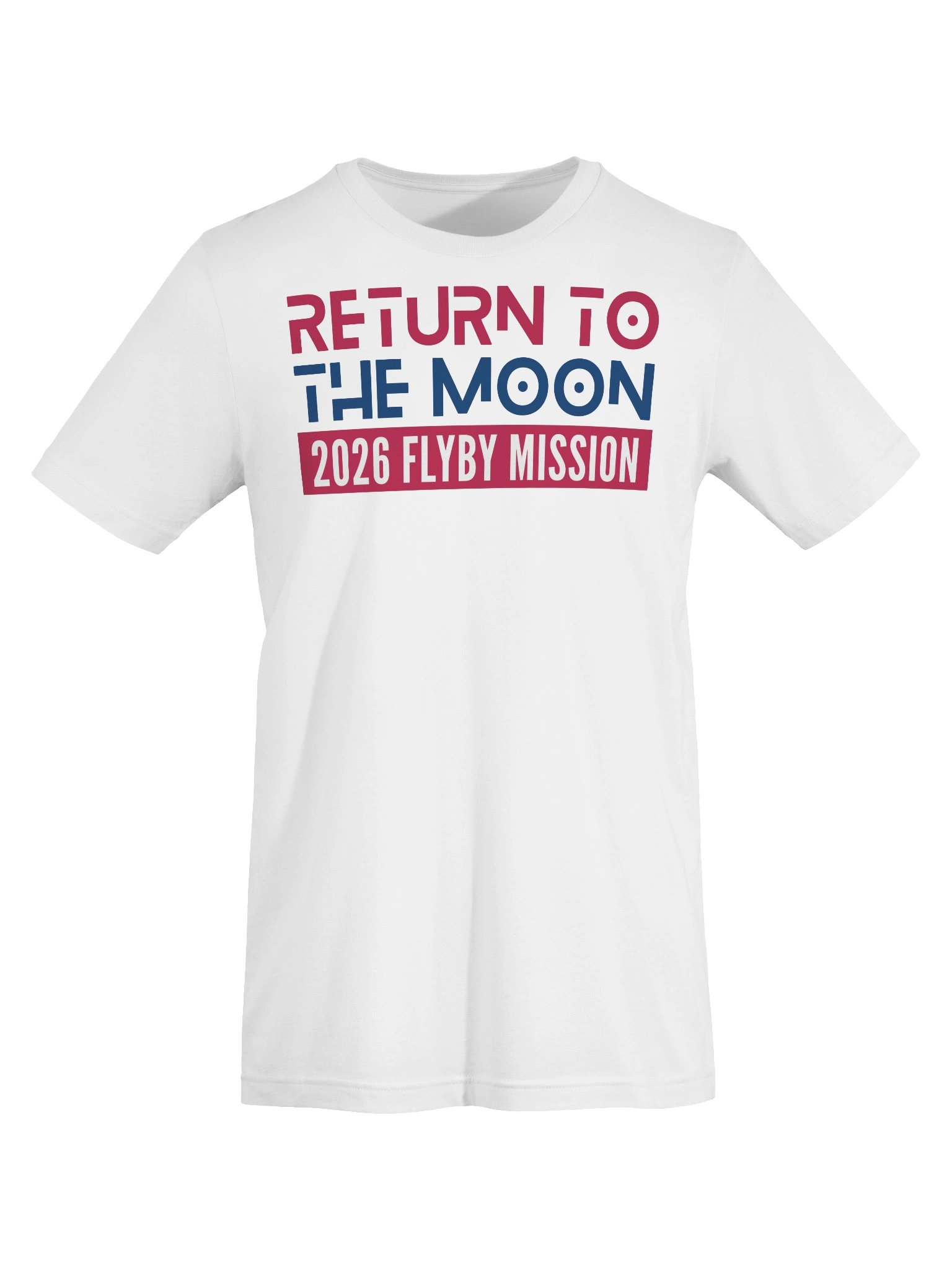

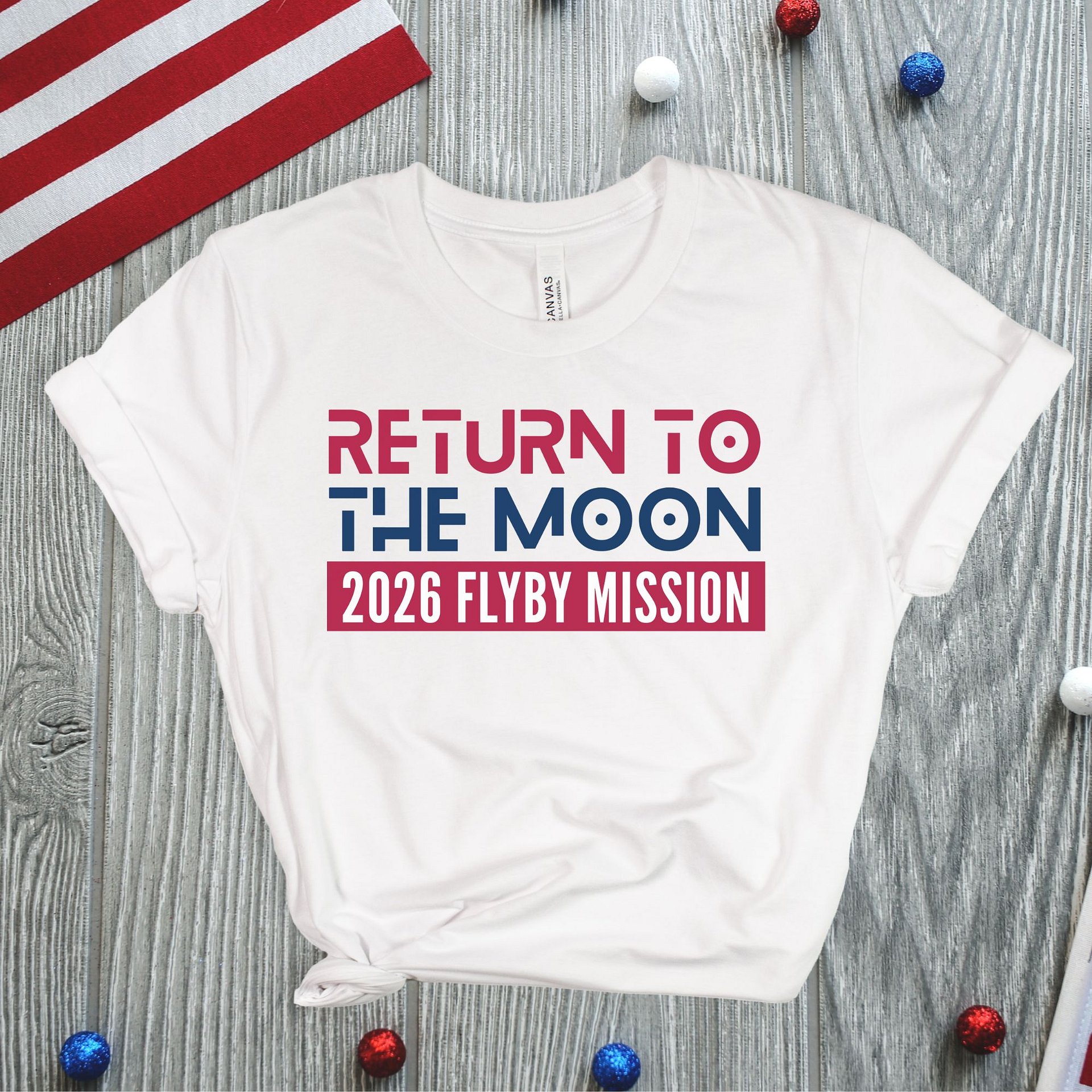

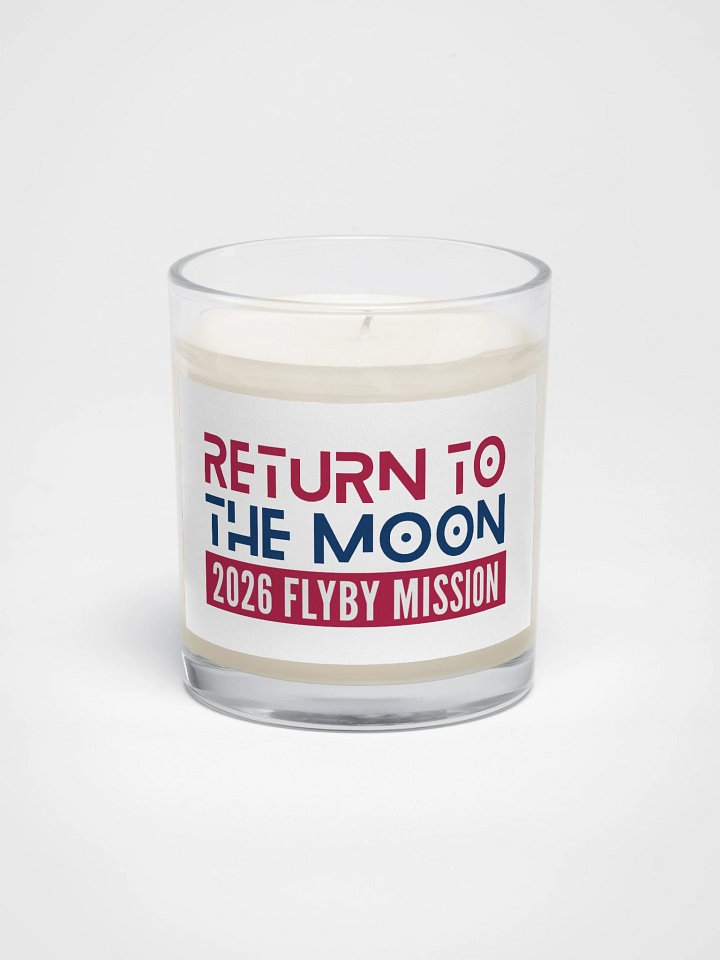
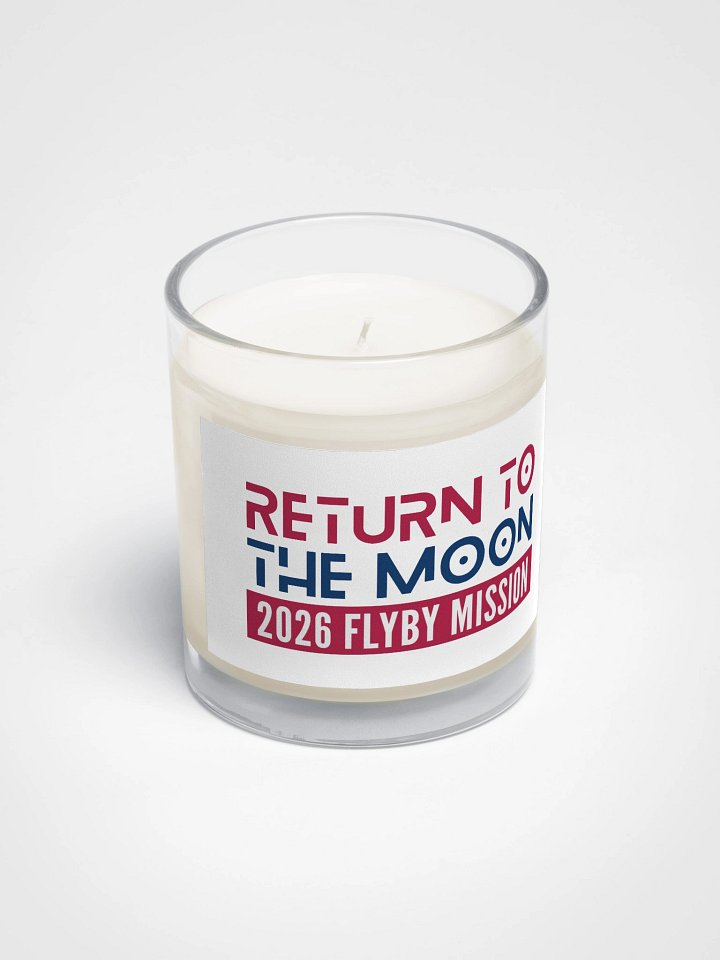
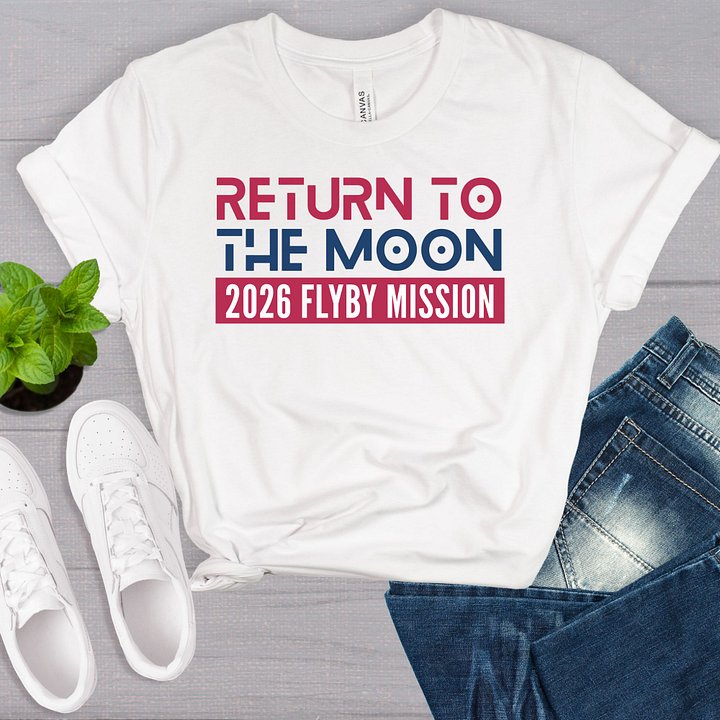
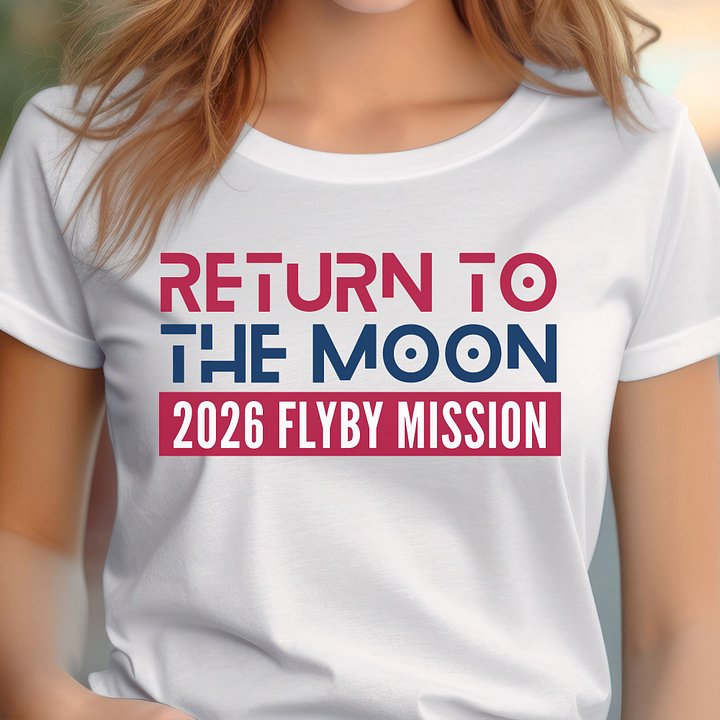
Mission to the Moon T-Shirt April 1 2026, USA Astronaut Graphic Tee, Space Lover Shirt Unisex
Want a shirt that people actually ask about?
This Mission to the Moon tee turns a historic date into wearable conversation.
Clean design. Strong message. Easy to style.
Why people love it:
✔ Soft, lightweight feel
✔ Bold, eye-catching graphic
✔ Perfect for everyday wear
Product Details:
- Airlume combed & ring-spun cotton
- Lightweight fabric
- Unisex fit
This isn’t just a t-shirt…
It’s a moment you can wear.
👉 Grab yours and rep the mission.
Mission to the Moon T-Shirt April 1 2026, USA Astronaut Graphic Tee, Space Lover Shirt Unisex Size Guide
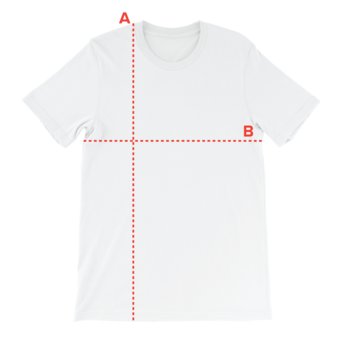
| Size label | Length | Width |
|---|---|---|
|
XS
|
27
|
16 1/2
|
|
S
|
28
|
18
|
|
M
|
29
|
20
|
|
L
|
30
|
22
|
|
XL
|
31
|
24
|
|
2XL
|
32
|
26
|
|
3XL
|
33
|
28
|
|
4XL
|
34
|
30
|
|
5XL
|
35
|
32
|