
Moon Missions
10 Essential Facts, History, and Keepsake Ideas
Introduction
The Moon has fascinated humans for centuries, but the missions we’ve sent there are even more incredible than most people realize. From the first historic landing to today’s modern missions, each journey has changed how we see space and our place in it.
Here are 10 common questions about Moon missions, answered in a simple and fun way.
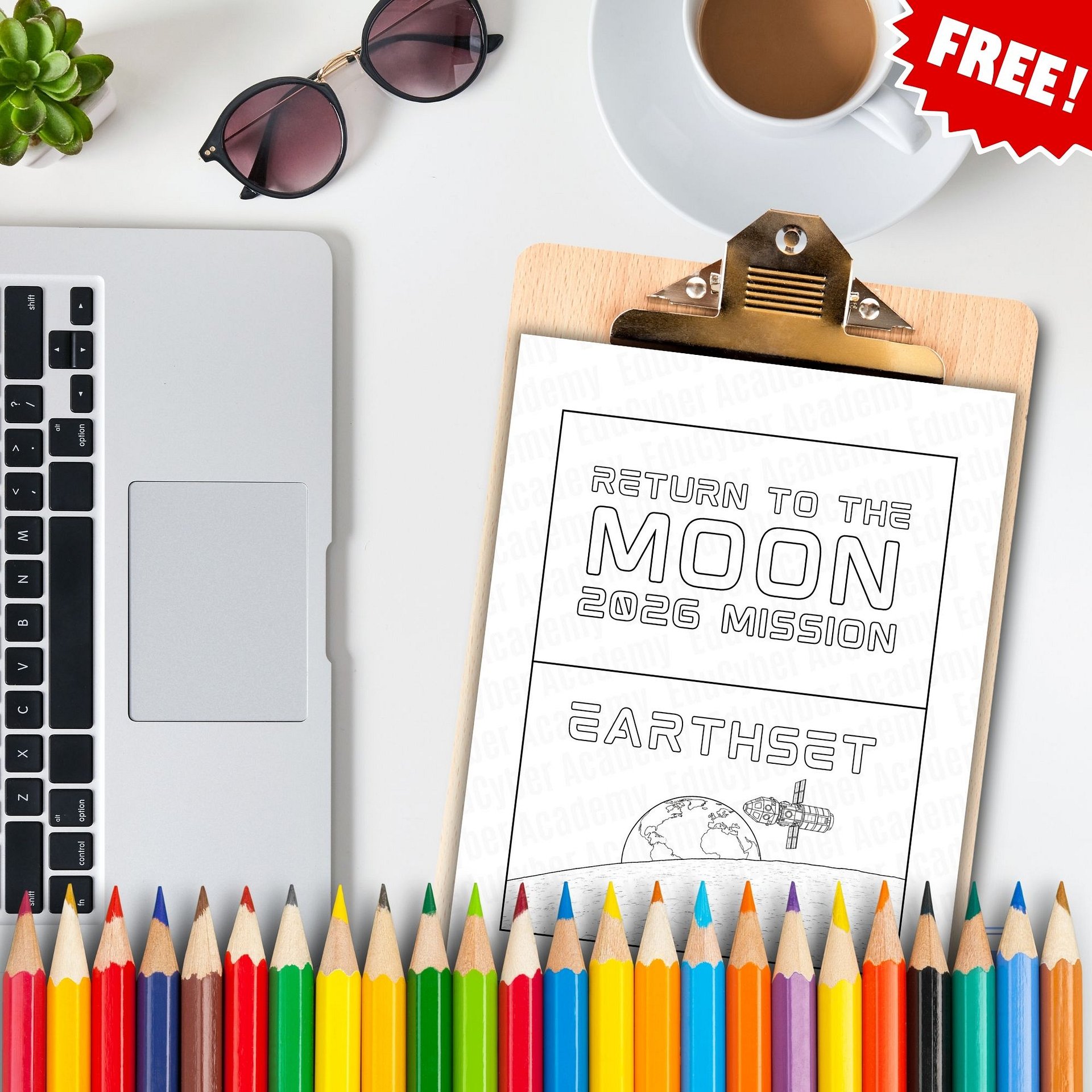
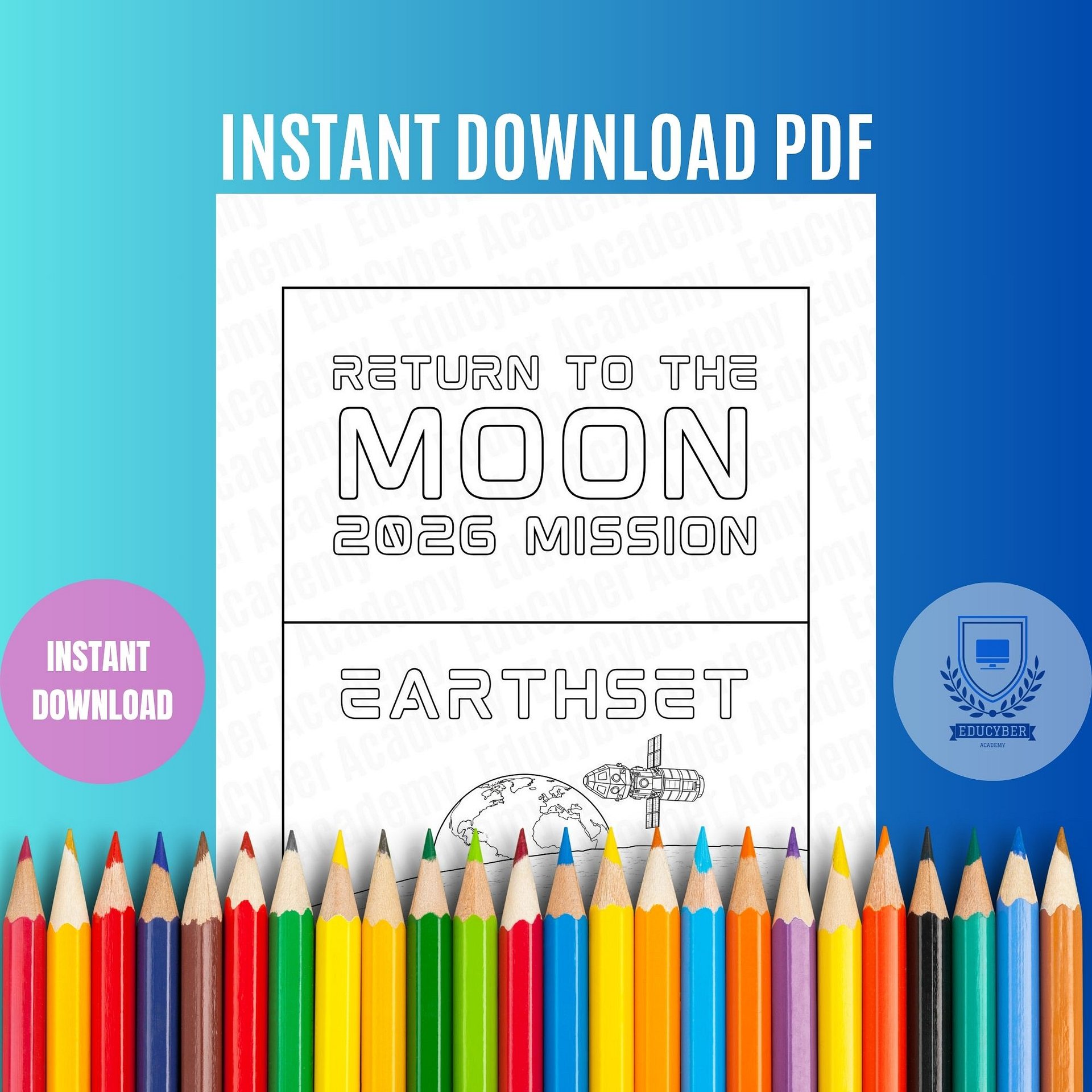
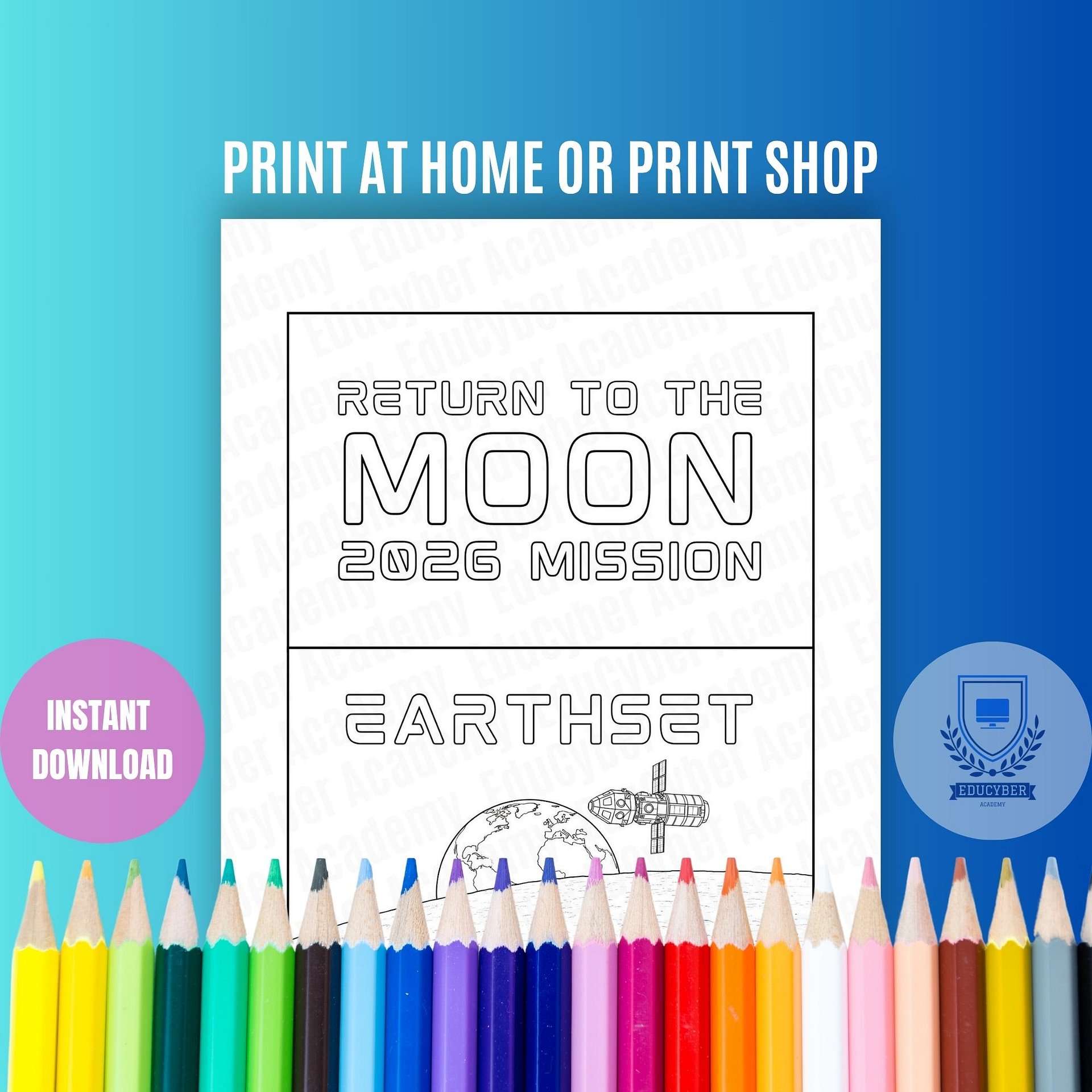
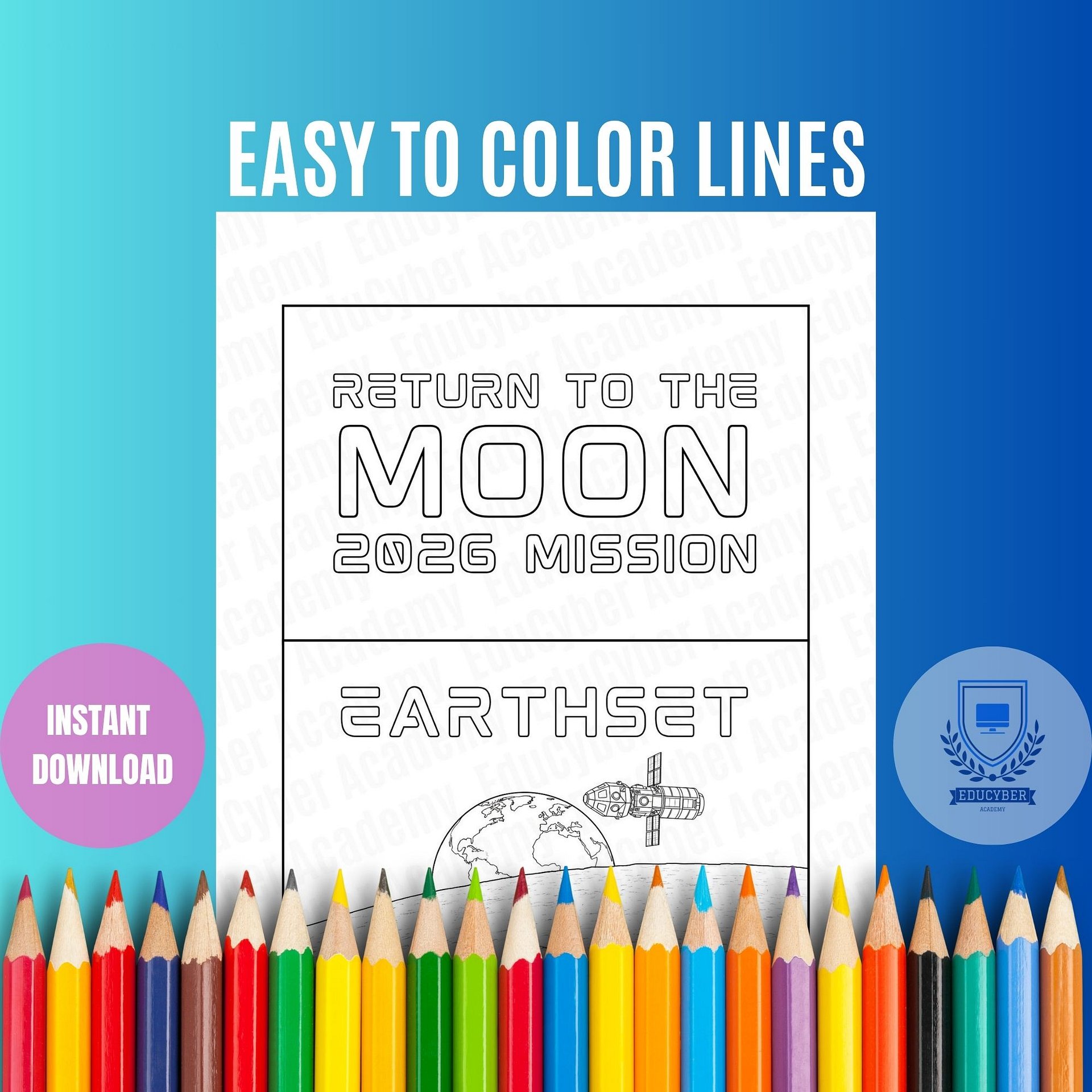
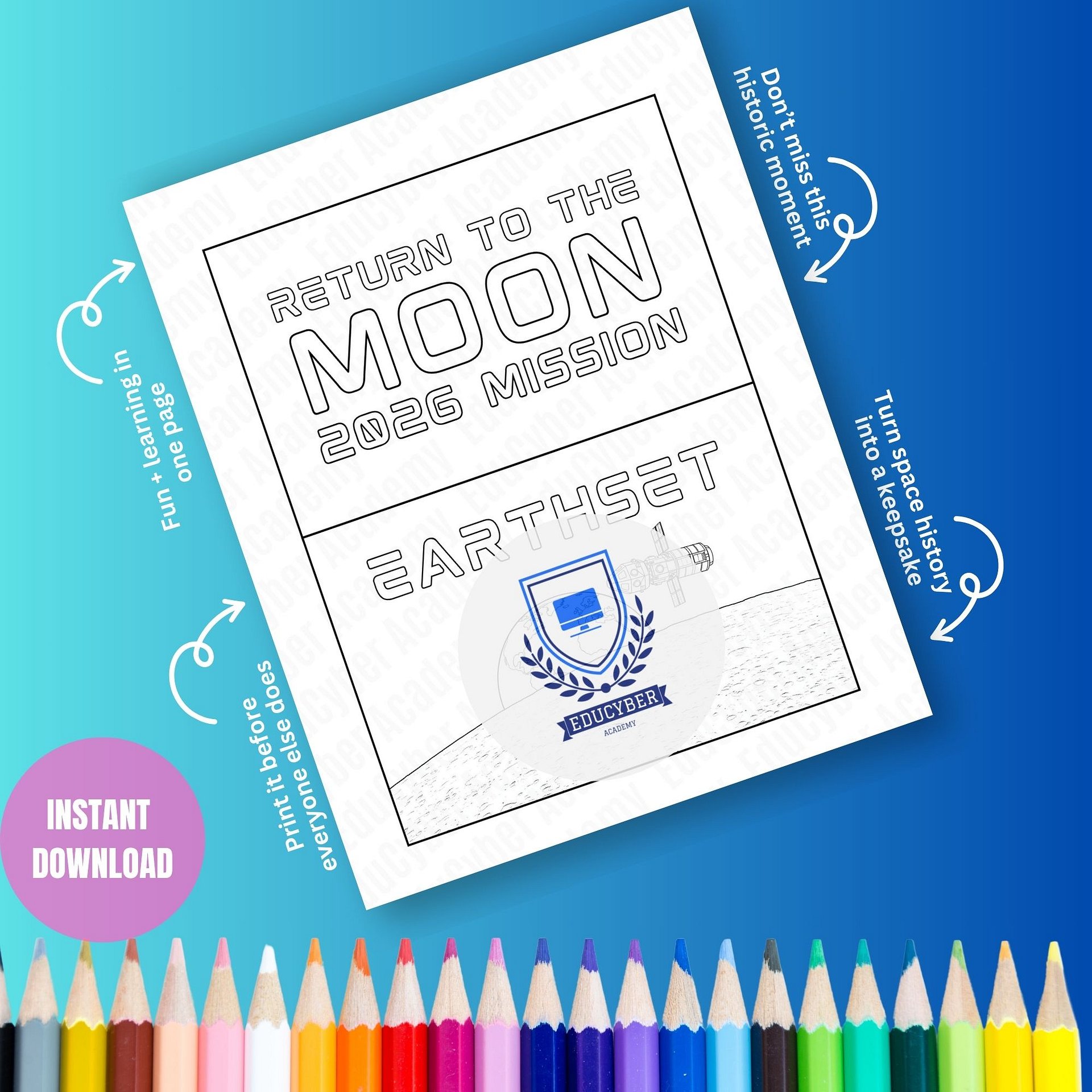
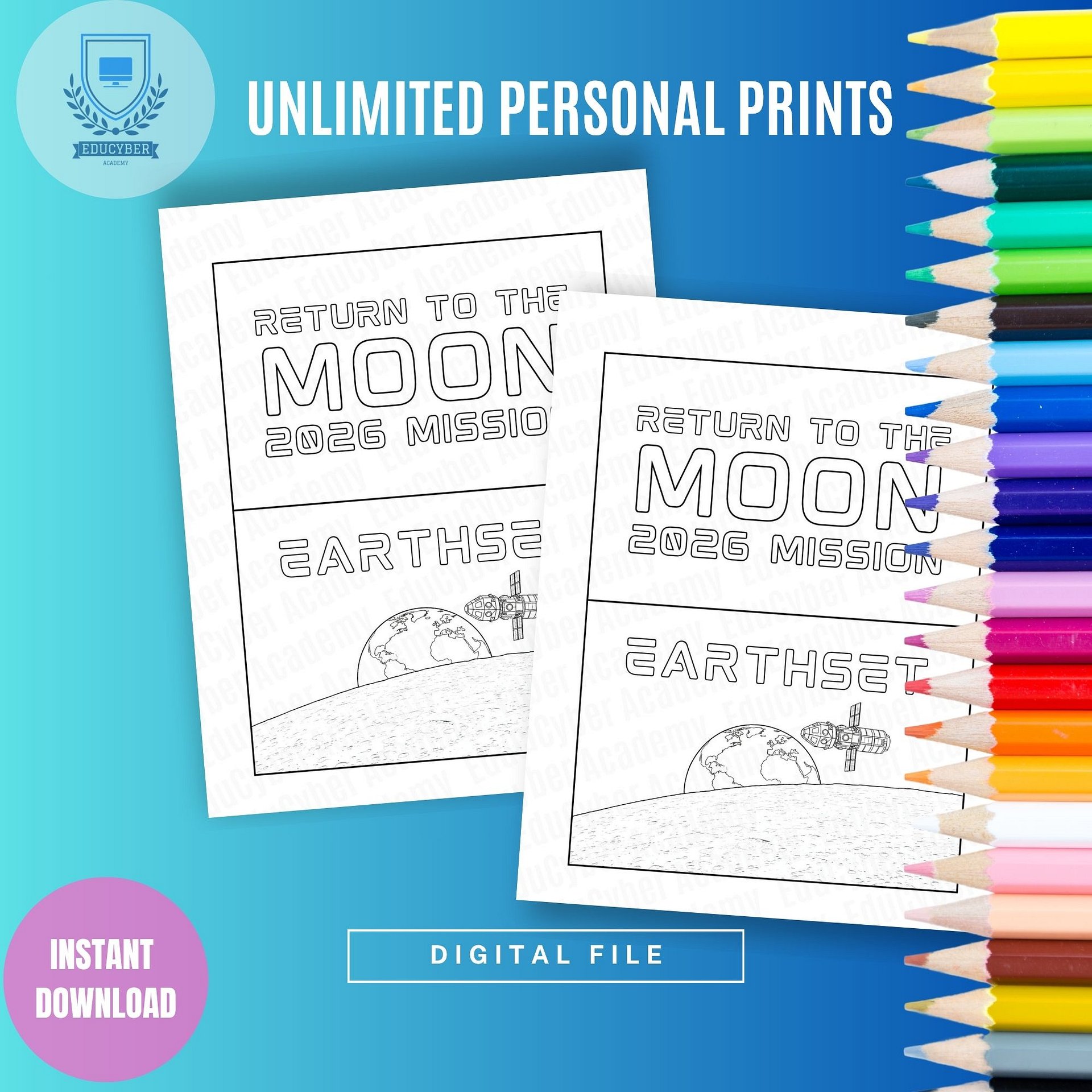
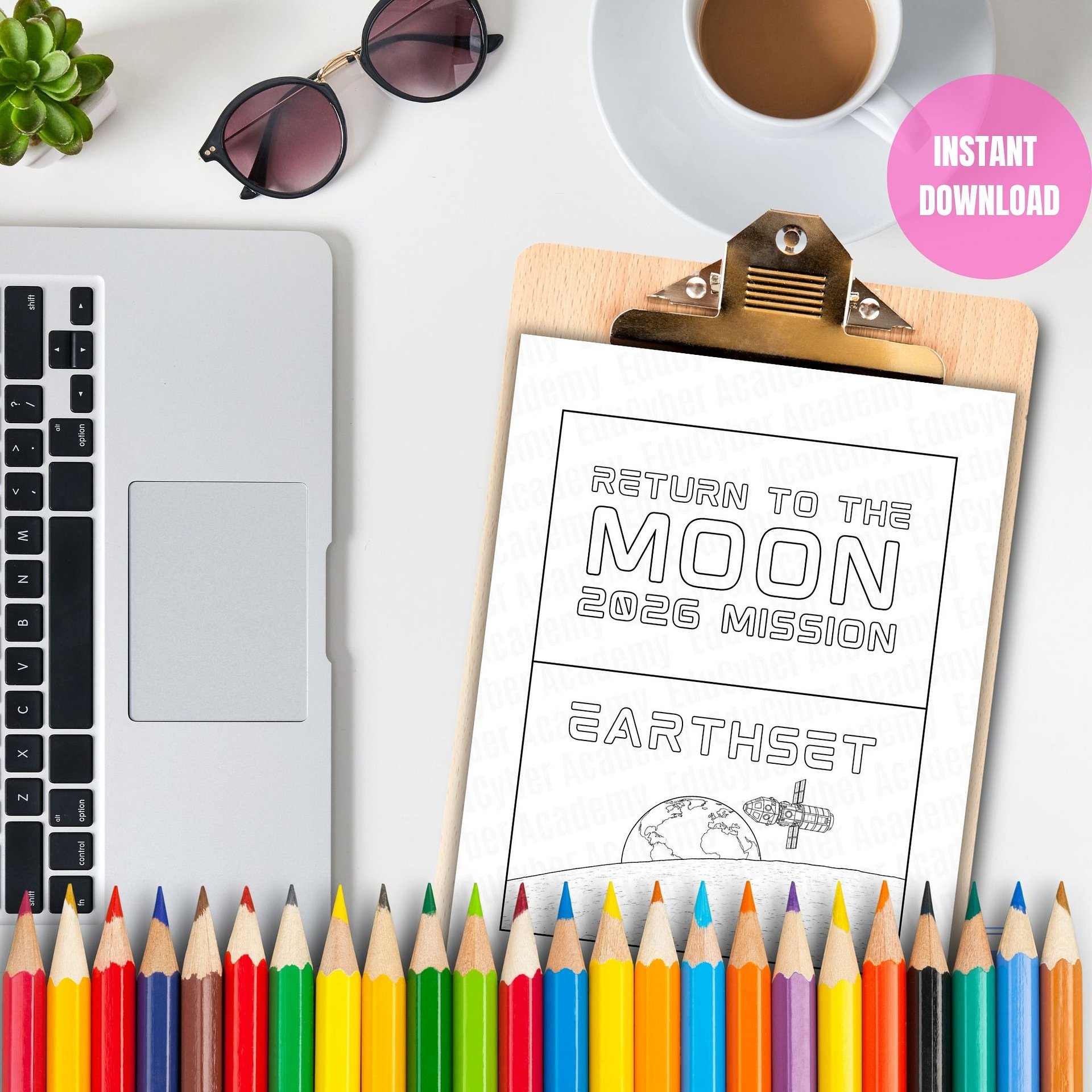
Free Moon Mission Coloring Page, Gift and Keepsake Idea, Printable PDF
Thanks for stopping by, enjoy this free Moon mission coloring page as our gift to you.
Want a simple way to capture a moment in space history?
This free Moon mission coloring page features a powerful scene, Earth rising behind the Moon with a spacecraft in view. It’s calm, inspiring, and instantly reminds you how small we are… and how far we’ve come 🚀
Whether you’re coloring for fun, learning, or just taking a break, this page turns a real space moment into something you can actually experience.
Why people love it:
✔ Inspired by real Moon mission visuals
✔ Perfect for kids and adults
✔ A meaningful keepsake you can print anytime
What you’ll receive:
- 1 high-resolution PDF (8.5" x 11")
- Vertical layout, ready to print
- Unlimited personal use
Perfect for:
✔ Space lovers & future astronauts
✔ STEM learning activities
✔ Classroom or homeschool use
✔ Relaxing creative time
✔ A unique, printable gift
The real reason this matters…
Moments like this don’t come often.
This isn’t just a coloring page, it’s a small way to connect with a time when humans are reaching for the Moon again.
👉 Download your free copy and be part of the moment 🌕
1. When was the first Moon landing?
The first Moon landing happened in 1969 during the Apollo 11 mission. This was the moment humans first set foot on another world. Millions of people watched as astronauts landed safely and began exploring the Moon’s surface.


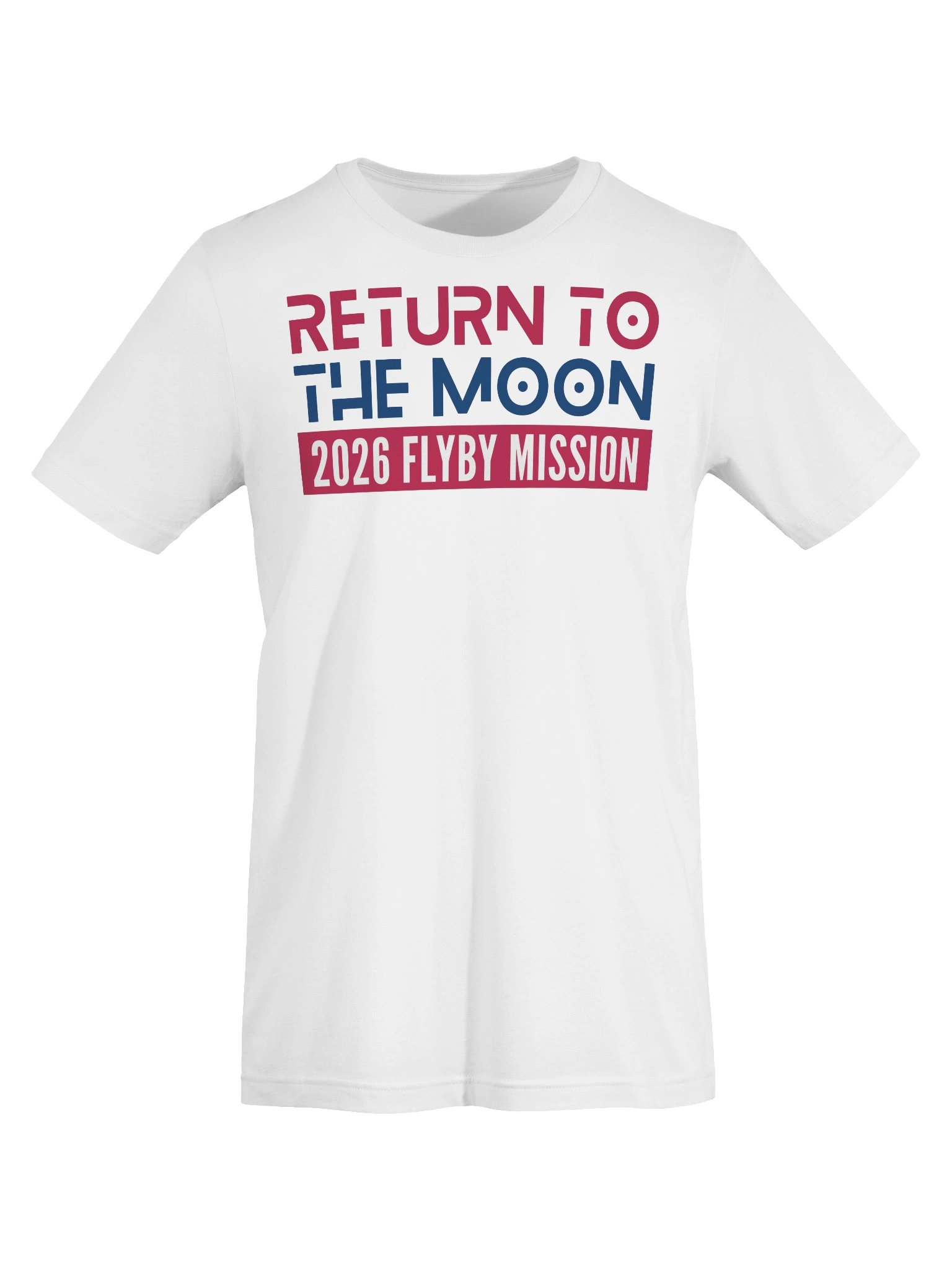

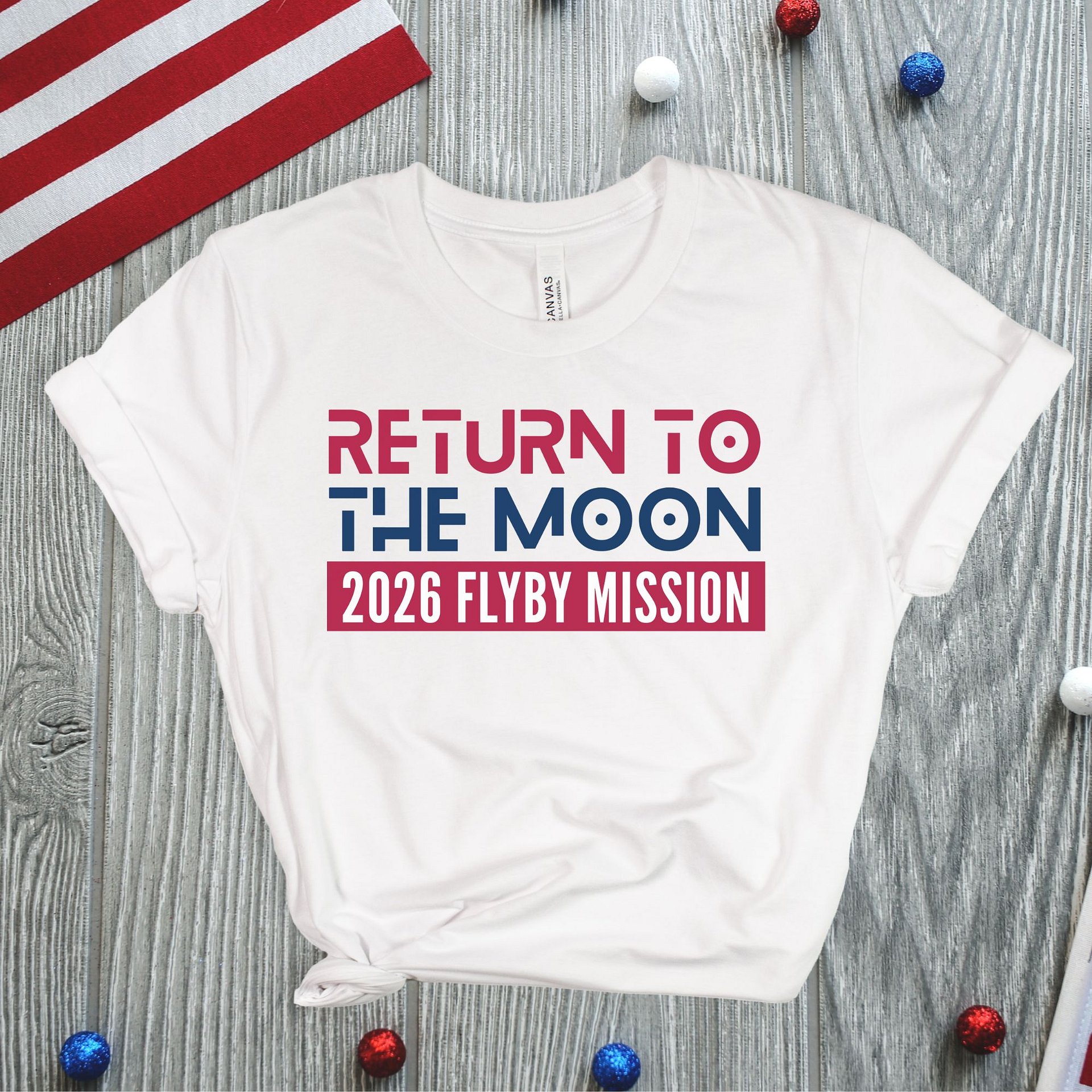

Mission to the Moon T-Shirt April 1 2026, USA Astronaut Graphic Tee, Space Lover Shirt Unisex
Want a shirt that people actually ask about?
This Mission to the Moon tee turns a historic date into wearable conversation.
Clean design. Strong message. Easy to style.
Why people love it:
✔ Soft, lightweight feel
✔ Bold, eye-catching graphic
✔ Perfect for everyday wear
Product Details:
- Airlume combed & ring-spun cotton
- Lightweight fabric
- Unisex fit
This isn’t just a t-shirt…
It’s a moment you can wear.
👉 Grab yours and rep the mission.
Mission to the Moon T-Shirt April 1 2026, USA Astronaut Graphic Tee, Space Lover Shirt Unisex Size Guide
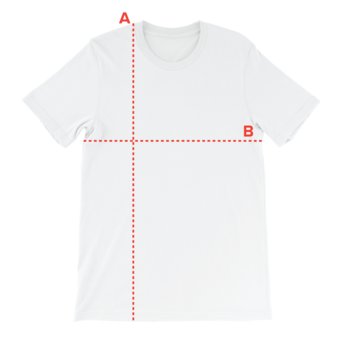
| Size label | Length | Width |
|---|---|---|
|
XS
|
27
|
16 1/2
|
|
S
|
28
|
18
|
|
M
|
29
|
20
|
|
L
|
30
|
22
|
|
XL
|
31
|
24
|
|
2XL
|
32
|
26
|
|
3XL
|
33
|
28
|
|
4XL
|
34
|
30
|
|
5XL
|
35
|
32
|
2. Who was the first person to walk on the Moon?
The first person to walk on the Moon was Neil Armstrong. He stepped onto the surface and made history with his famous first step. His walk marked the beginning of human exploration beyond Earth.


Mission to the Moon Tote Bag April 1 2026, USA Astronaut Space Tote, Reusable Everyday Bag
Want a tote that stands out without trying too hard?
This Mission to the Moon tote is simple, bold, and functional.
Perfect for everyday errands with a space-inspired twist.
Why people love it:
✔ Lightweight but durable
✔ Clean, modern design
✔ Practical + stylish
Product Details:
- 100% polyester
- Large inside pocket
- One size
This isn’t just a bag…
It’s something you’ll actually want to carry.
👉 Take the mission with you.
3. How many people have walked on the Moon?
Only 12 people have ever walked on the Moon. All of them were astronauts from the Apollo missions between 1969 and 1972. No one has walked on the Moon since then, until recent missions began bringing us closer again.


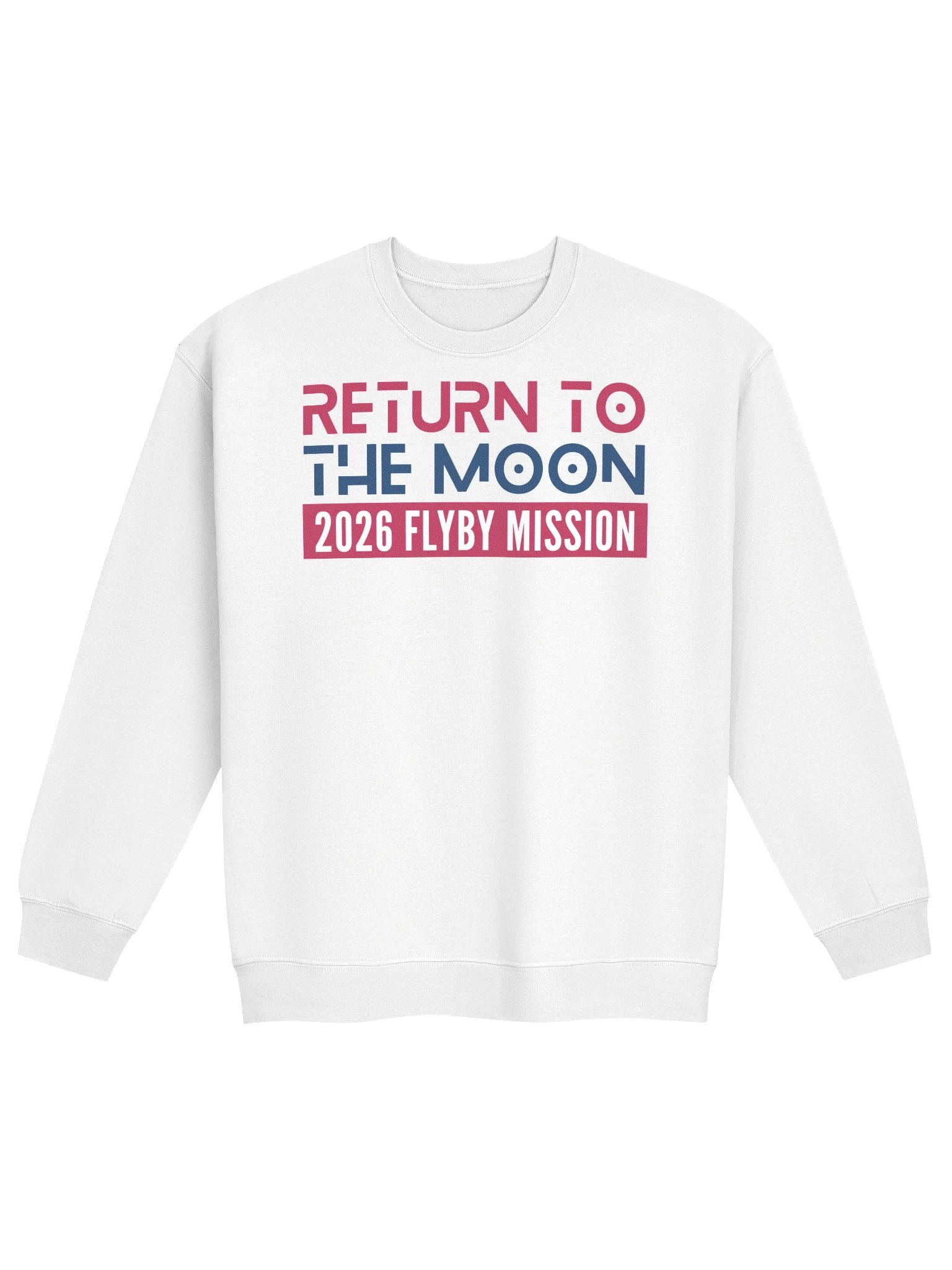


Mission to the Moon Sweatshirt April 1 2026, USA Space Program Crewneck, Red White and Blue Graphic
Want something cozy that still makes a statement?
This Mission to the Moon sweatshirt blends comfort with history.
Perfect for cool nights, early mornings, or watching launches.
Why people love it:
✔ Soft, midweight comfort
✔ Clean patriotic design
✔ Easy everyday layering
Product Details:
- 50% cotton / 50% polyester
- Midweight fabric
- Unisex fit
This isn’t just cozy…
It’s meaningful comfort.
👉 Stay warm. Stay inspired.
Mission to the Moon Sweatshirt April 1 2026, USA Space Program Crewneck, Red White and Blue Graphic Size Guide

| Size label | Length | Width | Sleeve length |
|---|---|---|---|
|
S
|
27
|
20
|
33 1/2
|
|
M
|
28
|
22
|
34 1/2
|
|
L
|
29
|
24
|
35 1/2
|
|
XL
|
30
|
26
|
36 1/2
|
|
2XL
|
31
|
28
|
37 1/2
|
|
3XL
|
32
|
30
|
38 1/2
|
|
4XL
|
33
|
32
|
39 1/2
|
|
5XL
|
34
|
34
|
40 1/2
|
4. When was the last Moon landing?
The last Moon landing was in 1972 during Apollo 17. After that mission, humans stopped traveling to the Moon for many years, focusing instead on space stations and other types of exploration.


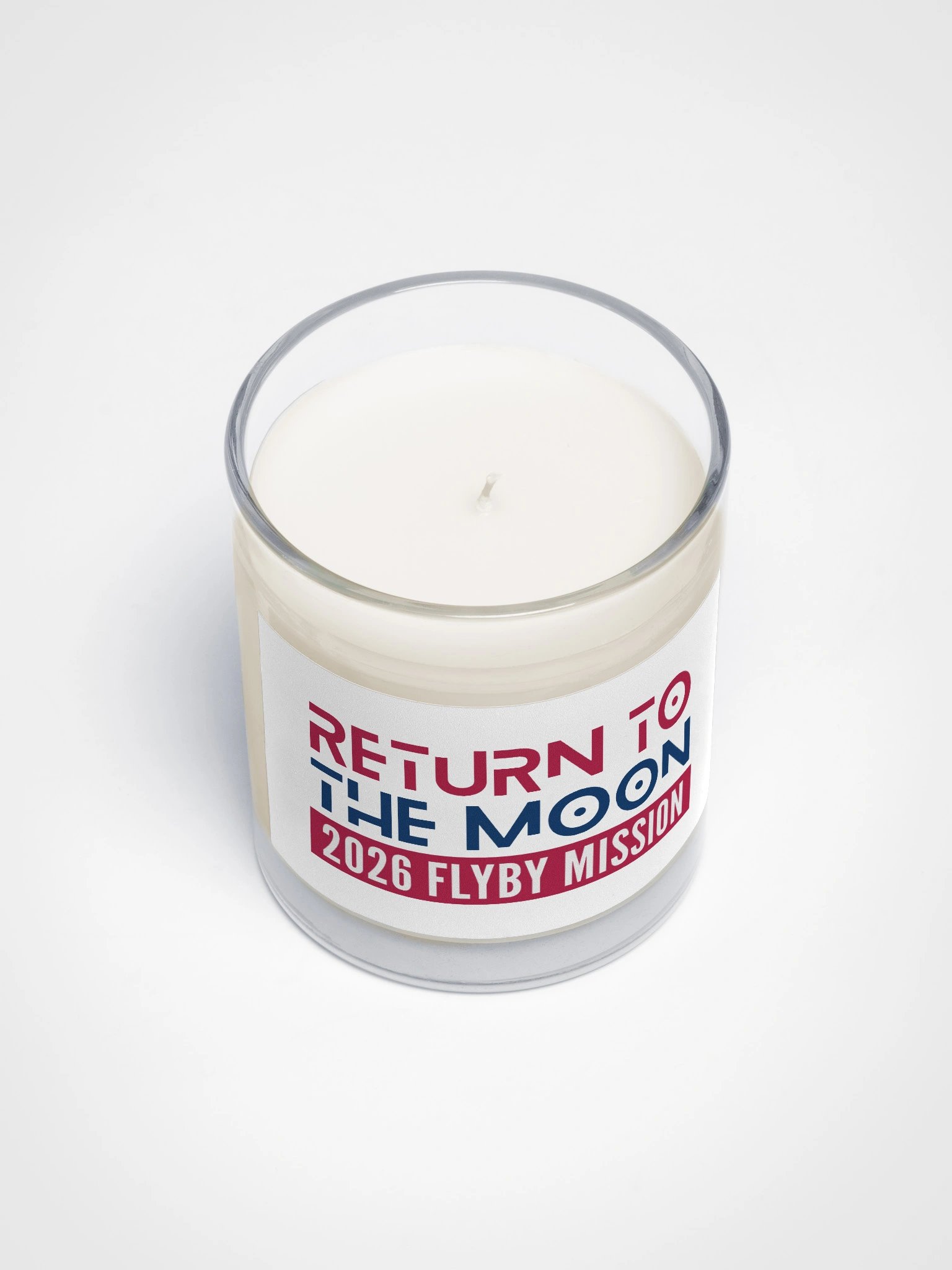
Mission to the Moon Candle April 1 2026, Space Themed Soy Wax Candle, USA Astronaut Gift
Want a candle that does more than just smell good?
This Mission to the Moon candle brings a calm, grounded moment to a story that’s out of this world.
Light it… and slow down while history unfolds.
Why people love it:
✔ Clean, space-inspired aesthetic
✔ Cozy + meaningful atmosphere
✔ A unique gift for space lovers
Product Details:
- Soy wax
- Cotton wick
- Glass vessel
This isn’t just a candle…
It’s a quiet moment connected to something big.
👉 Light it. Relax. Be part of the moment.
5. Why do astronaut footprints last so long on the Moon?
Astronaut footprints can last millions of years because the Moon has no air or weather. There’s no wind or rain to wash them away, so the marks stay almost exactly the same over time.
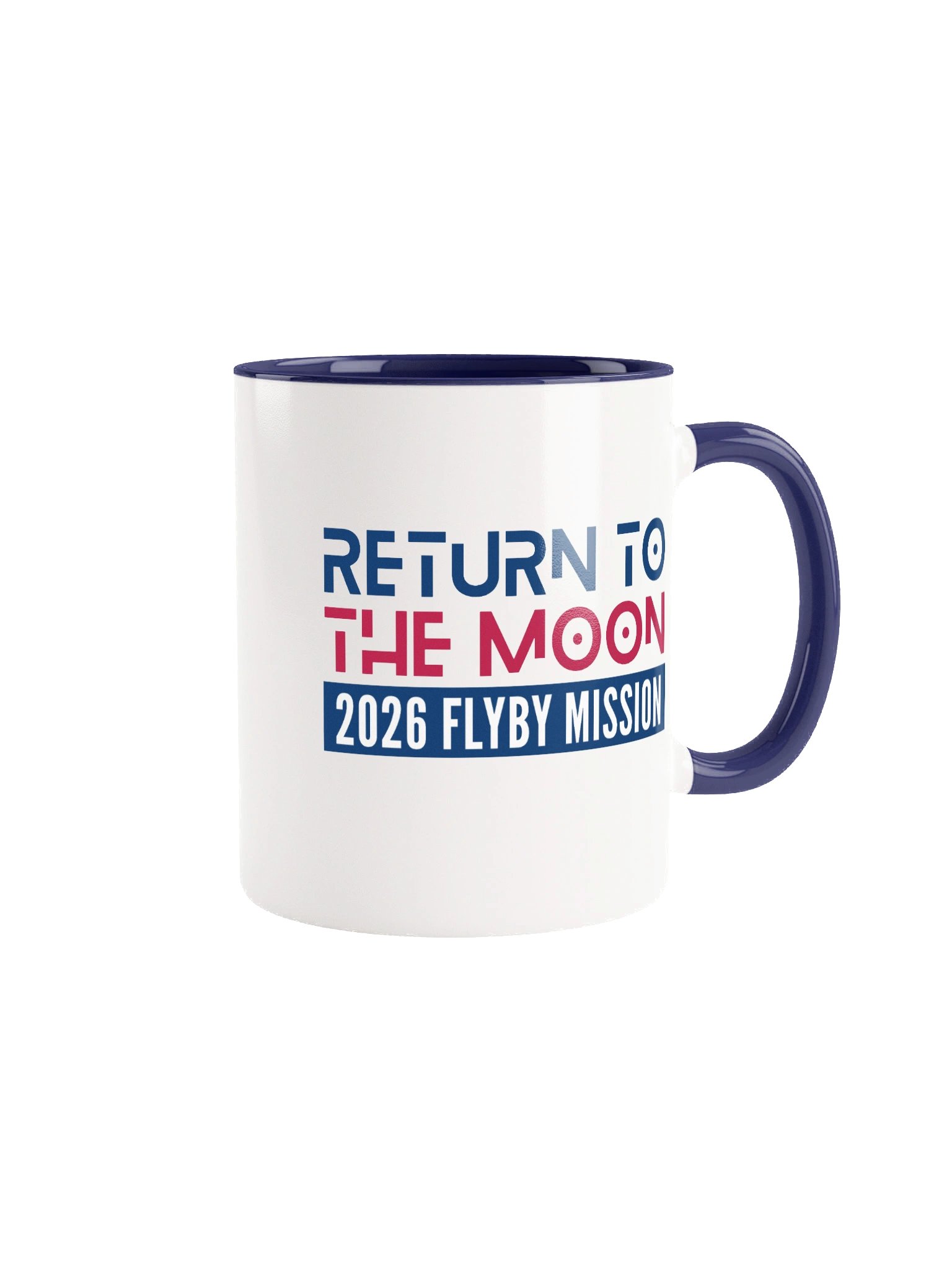


Mission to the Moon Mug April 1 2026 Keepsake, Two Tone Ceramic Cup
Want a mug that feels like you’re holding a piece of history?
This Mission to the Moon mug captures a real moment, April 1st, 2026, when astronauts took a major step toward returning to the Moon.
It turns your daily coffee into something bigger.
Whether you're sipping coffee or tea… this mug brings a little space mission energy to your morning 🚀
Why people love it:
✔ Unique mission-inspired design
✔ Bold patriotic graphic
✔ A conversation starter you’ll actually use
Product Details:
- 11 oz ceramic mug
- Dishwasher & microwave safe
- Comfortable everyday size
This isn’t just a mug…
It’s a reminder that history is happening right now.
👉 Add to cart and start your day with something meaningful.
6. Why is there no sound on the Moon?
There is no sound on the Moon because it has no air. Sound needs air (or another medium) to travel, so even if something makes a noise, it wouldn’t be heard the same way as on Earth.
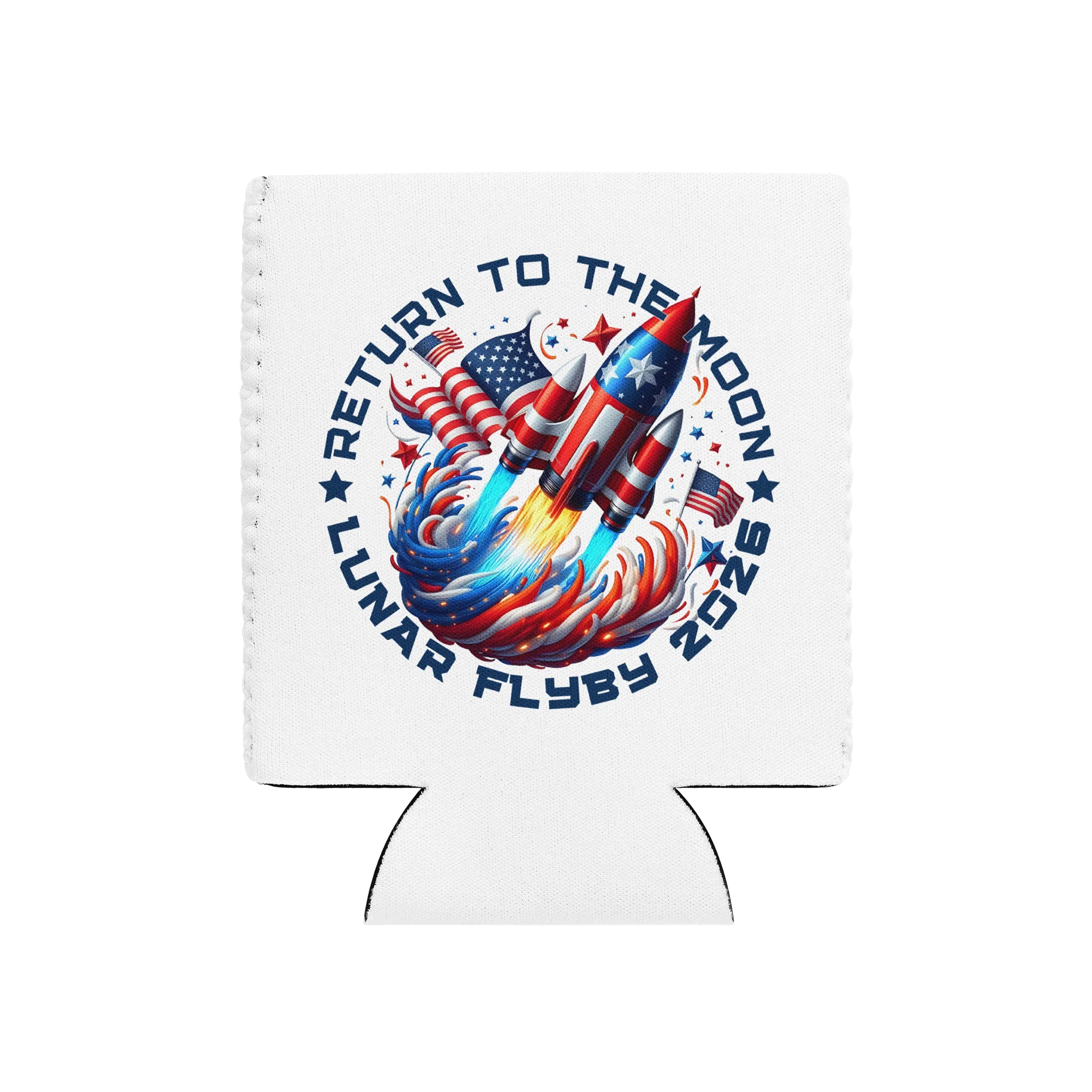
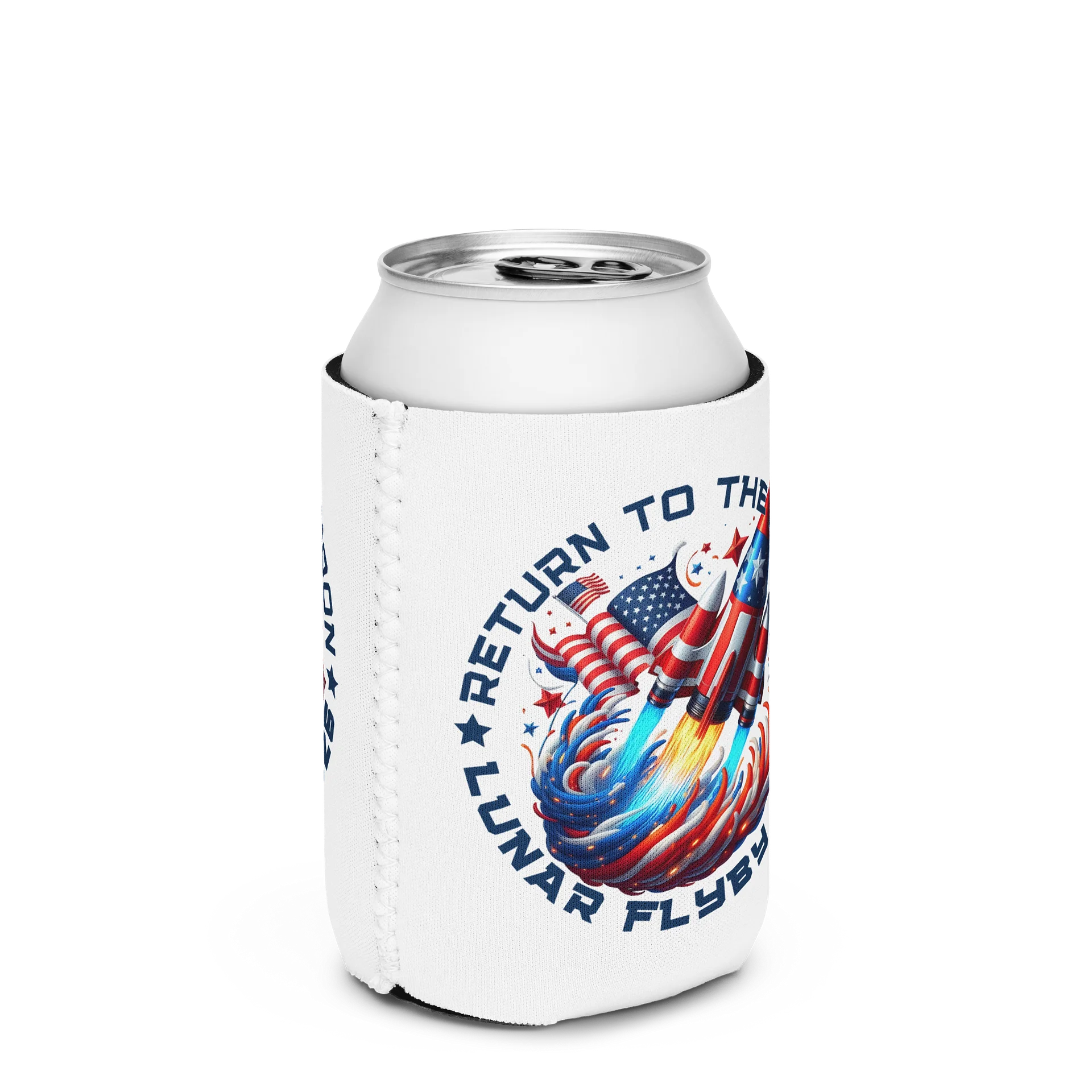


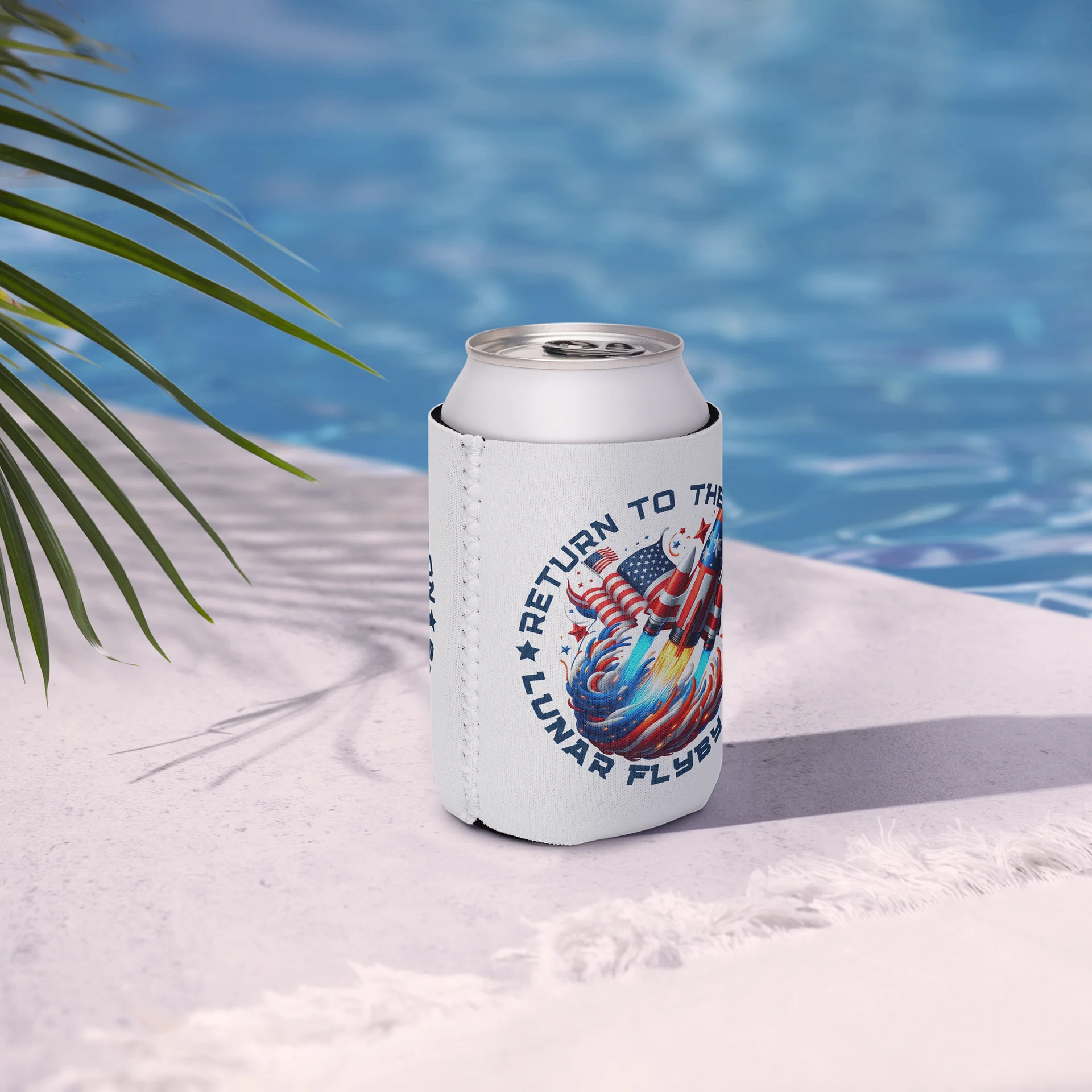


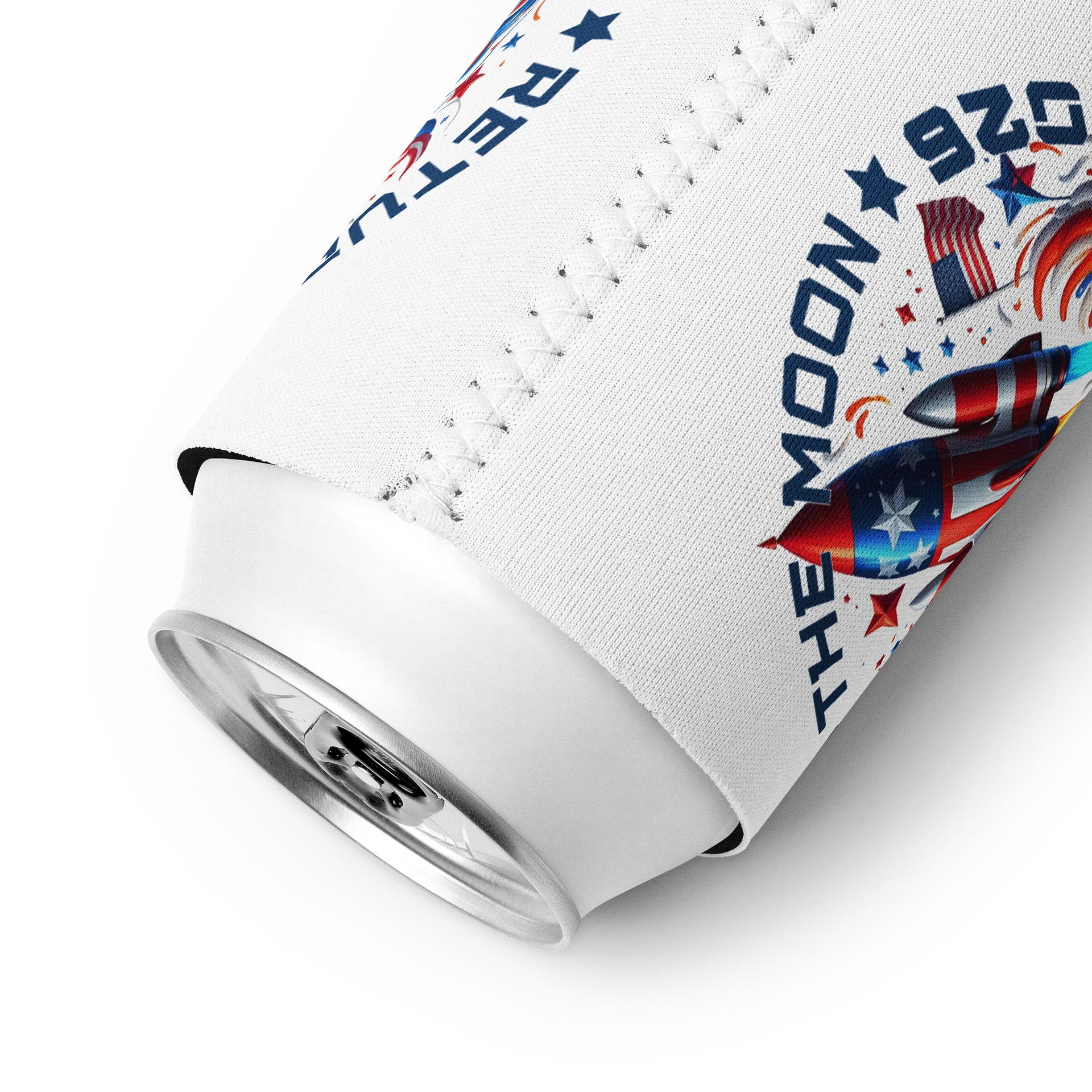
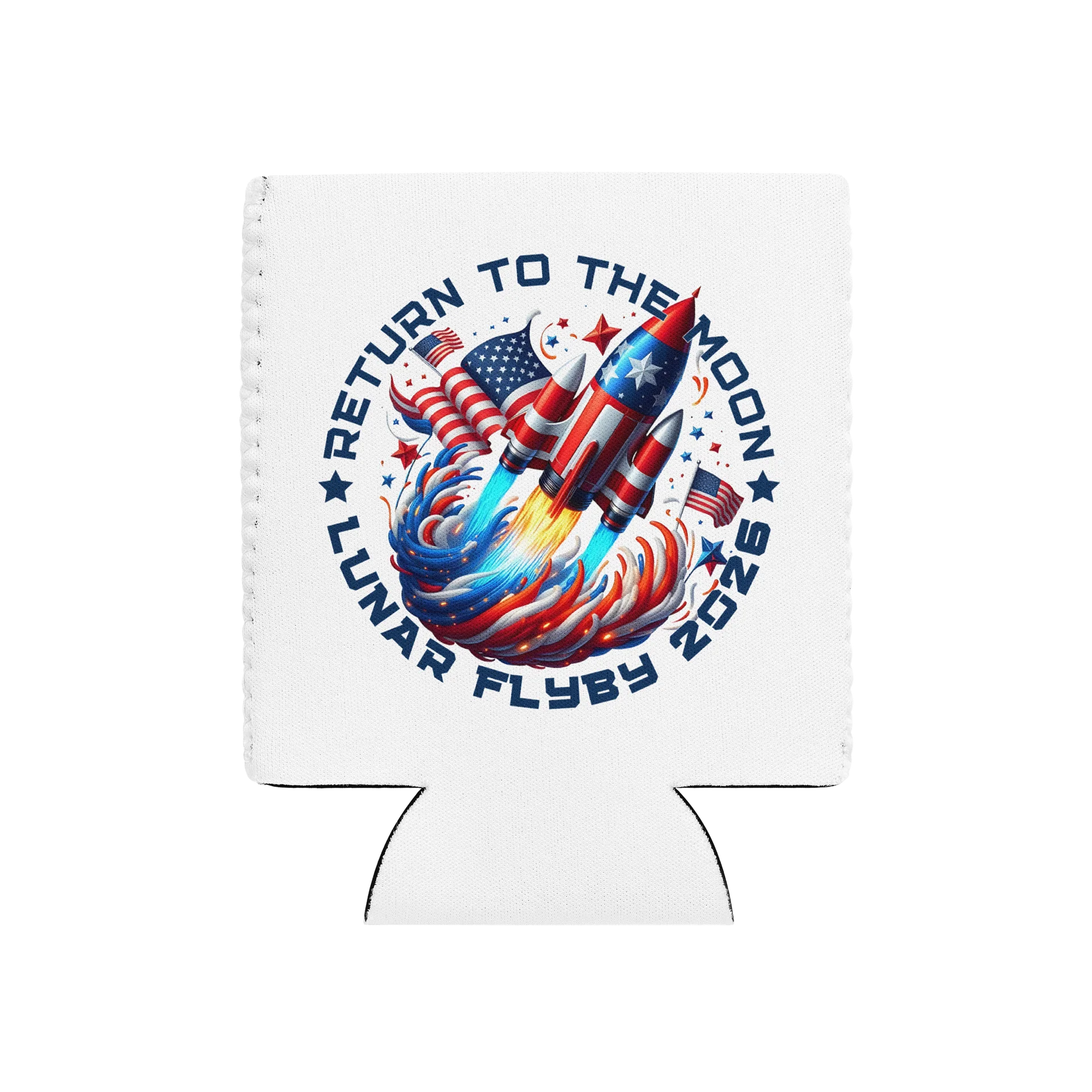
Mission to the Moon Can Cooler April 1 2026, USA Space Drink Sleeve Neoprene
Want to keep your drink cold and your style on point?
This Mission to the Moon can cooler does both.
Perfect for events, gatherings, or everyday use.
Why people love it:
✔ Keeps drinks cold longer
✔ Durable neoprene material
✔ Bold double-sided print
Product Details:
- Waterproof
- Ribbed seams
- Standard size
This isn’t just a cooler…
It’s a vibe.
👉 Keep it cool.
7. When did we go back to the Moon?
We returned to the Moon with a major flyby mission on April 1, 2026 called Artemis II. This mission lasted 10 days and sent astronauts around the Moon without landing. Now, on April 10, 2026, they are returning to Earth, marking an exciting new chapter in space exploration and bringing us closer to future Moon landings.
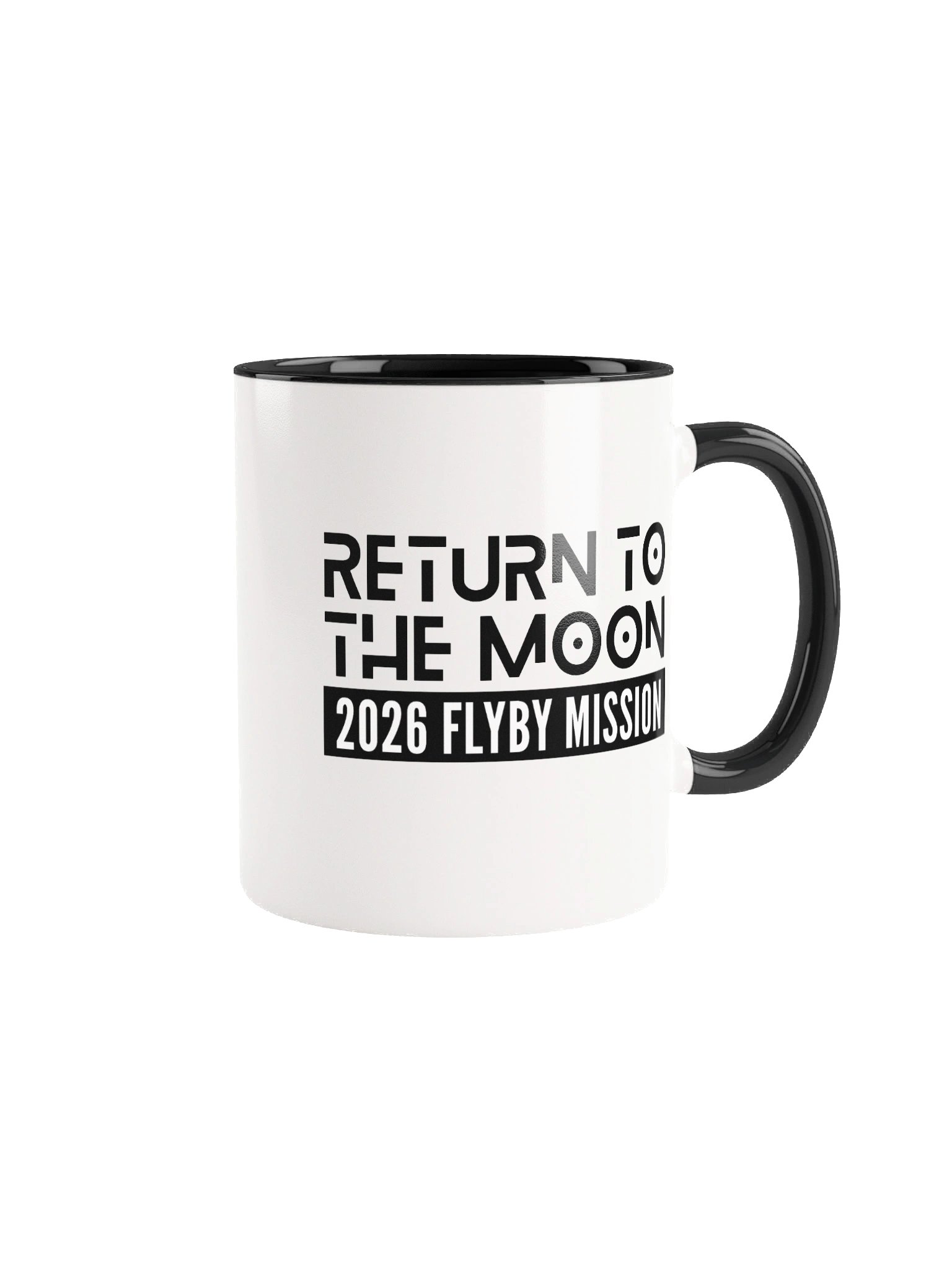

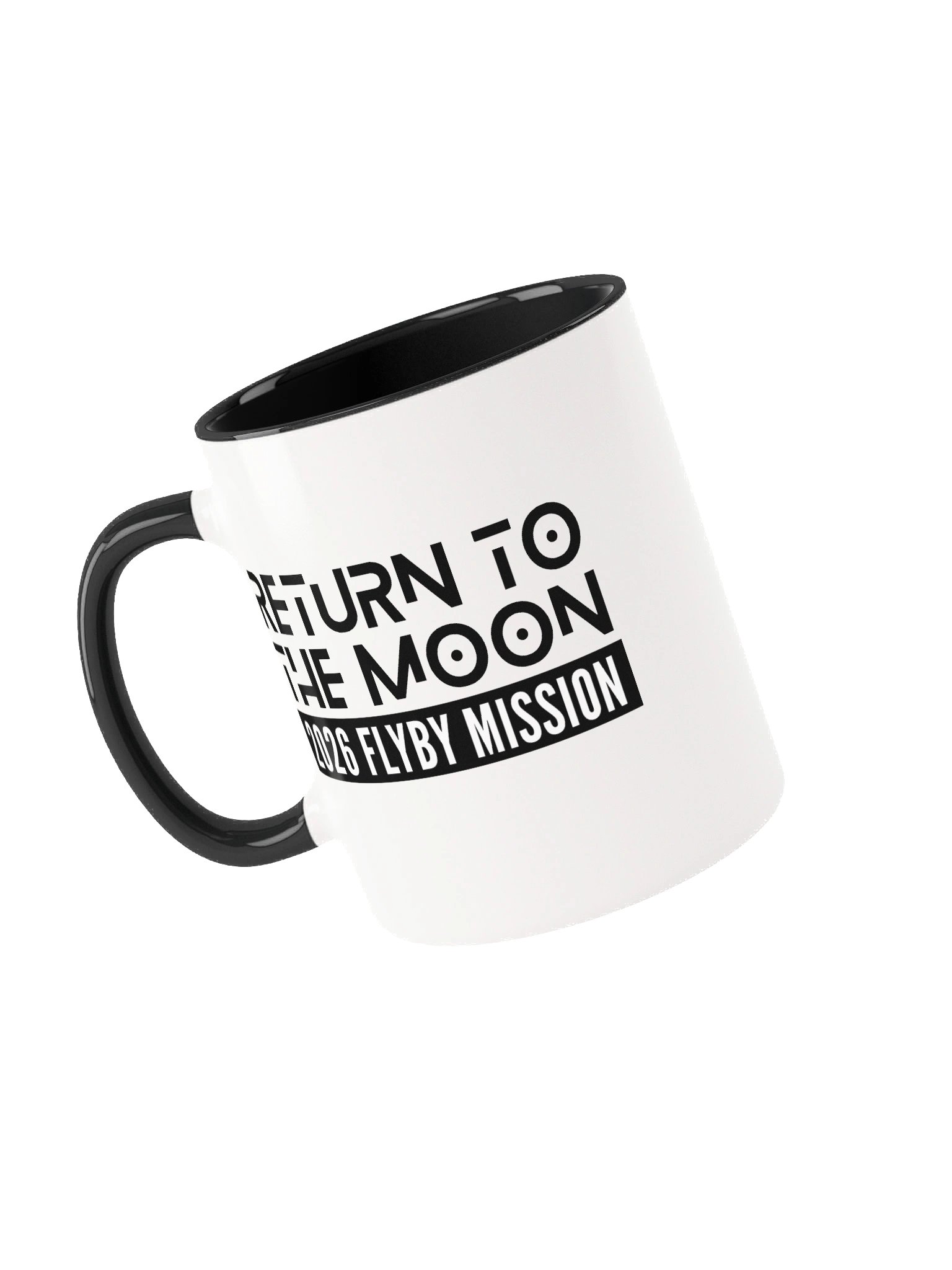

Mission to the Moon Ceramic Mug April 1 2026 Keepsake
Want a mug that feels like you’re holding a piece of history?
This Mission to the Moon mug captures a real moment, April 1st, 2026, when astronauts took a major step toward returning to the Moon.
It turns your daily coffee into something bigger.
Whether you're sipping coffee or tea… this mug brings a little space mission energy to your morning 🚀
Why people love it:
✔ Unique mission-inspired design
✔ Bold patriotic text graphic
✔ A conversation starter you’ll actually use
Product Details:
- 11 oz ceramic mug
- Dishwasher & microwave safe
- Comfortable everyday size
This isn’t just a mug…
It’s a reminder that history is happening right now.
👉 Add to cart and start your day with something meaningful.
8. Do all Moon missions land on the surface?
Not all Moon missions land. Some missions orbit or fly around the Moon to test systems, gather data, or prepare for future landings. These missions are important steps before sending astronauts back to the surface.



Mission to the Moon Water Bottle April 1 2026, USA Astronaut Stainless Steel Bottle 32oz
ant a water bottle that keeps up with you?
This Mission to the Moon bottle is built for everyday use with a bold design.
Stay hydrated—stay inspired.
Why people love it:
✔ Keeps drinks hot or cold
✔ Durable and travel-ready
✔ Easy carry handle
Product Details:
- 32 oz stainless steel
- Vacuum insulated
- Foldable straw lid
This isn’t just hydration…
It’s fuel for your day.
👉 Take it everywhere.
9. Why did astronauts bring Moon rocks back to Earth?
Astronauts brought Moon rocks back so scientists could study them. These rocks help us understand how the Moon formed and how it is different from Earth. Some samples are still being studied today.
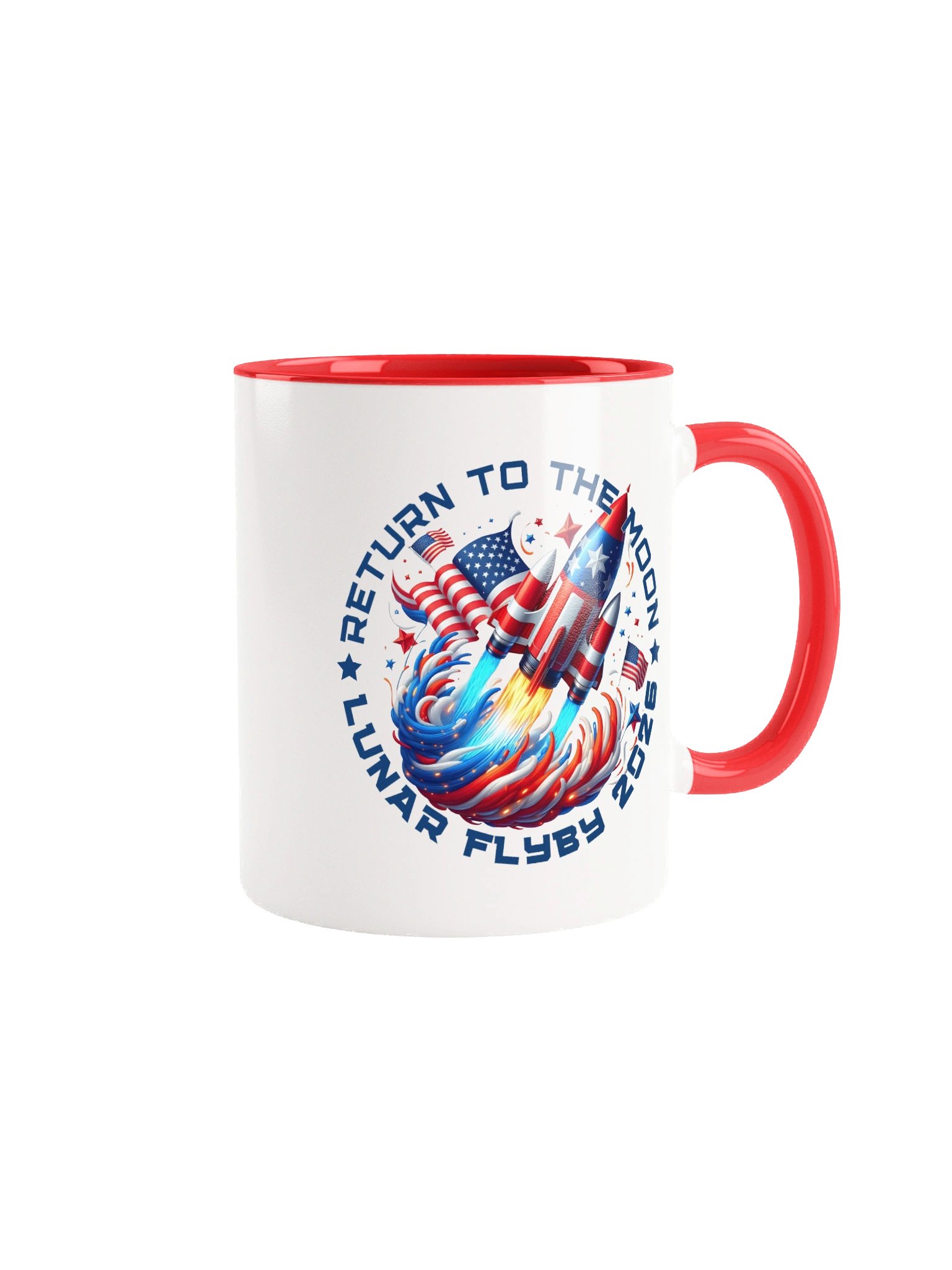

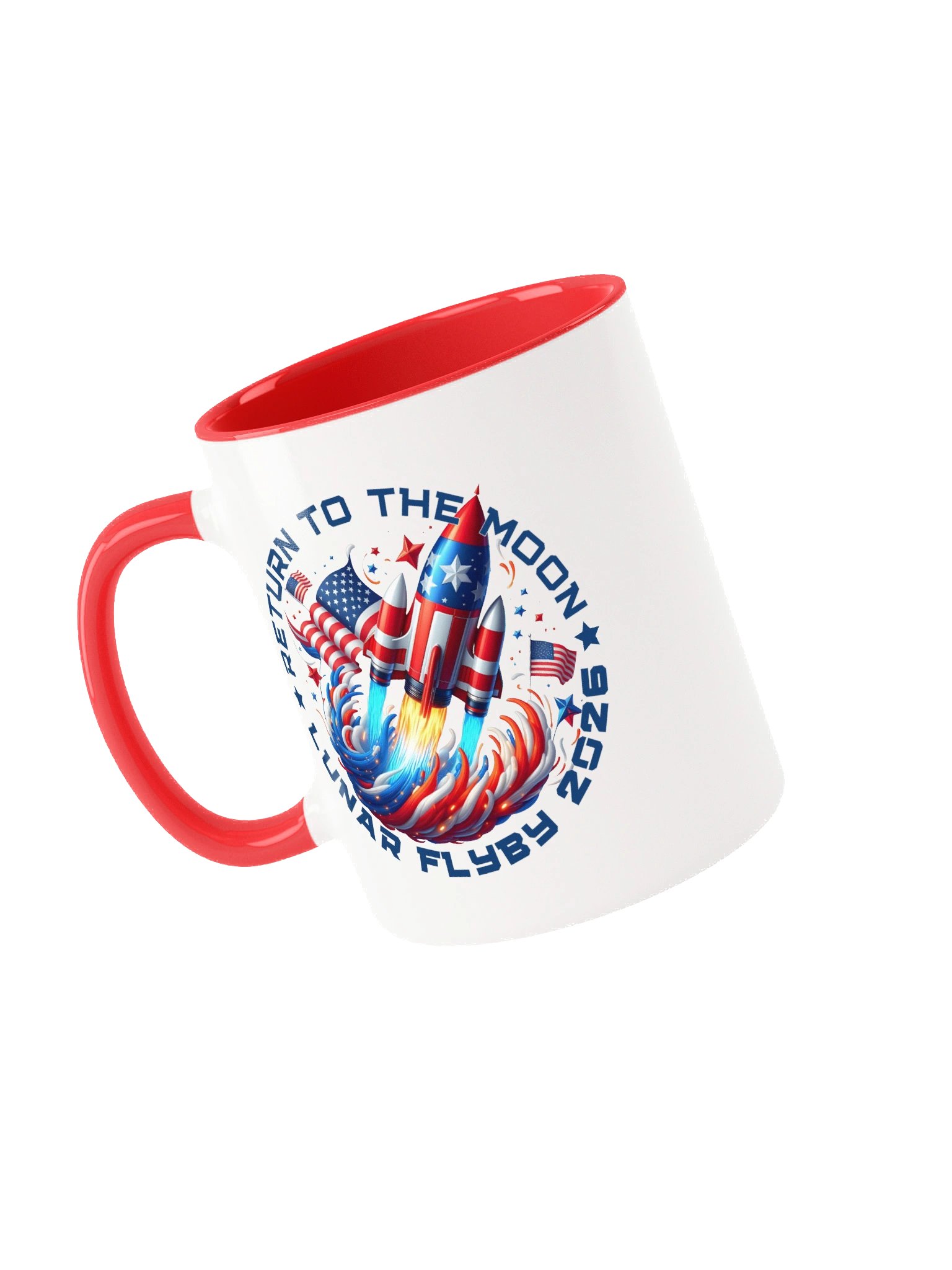

Moon Mission Patriotic Mug April 1 2026 Keepsake, Two Tone Ceramic Cup
Want a mug that feels like you’re holding a piece of history?
This Mission to the Moon mug captures a real moment, April 1st, 2026, when astronauts took a major step toward returning to the Moon.
It turns your daily coffee into something bigger.
Whether you're sipping coffee or tea… this mug brings a little space mission energy to your morning 🚀
Why people love it:
✔ Unique mission-inspired design
✔ Bold red white and blue design
✔ A conversation starter you’ll actually use
Product Details:
- 11 oz ceramic mug
- Dishwasher & microwave safe
- Comfortable everyday size
This isn’t just a mug…
It’s a reminder that history is happening right now.
👉 Add to cart and start your day with something meaningful.
10. How long does it take to travel to the Moon?
It usually takes about three days to travel from Earth to the Moon. The exact time depends on the spacecraft and mission plan, but it’s a surprisingly short journey for such a distant destination.
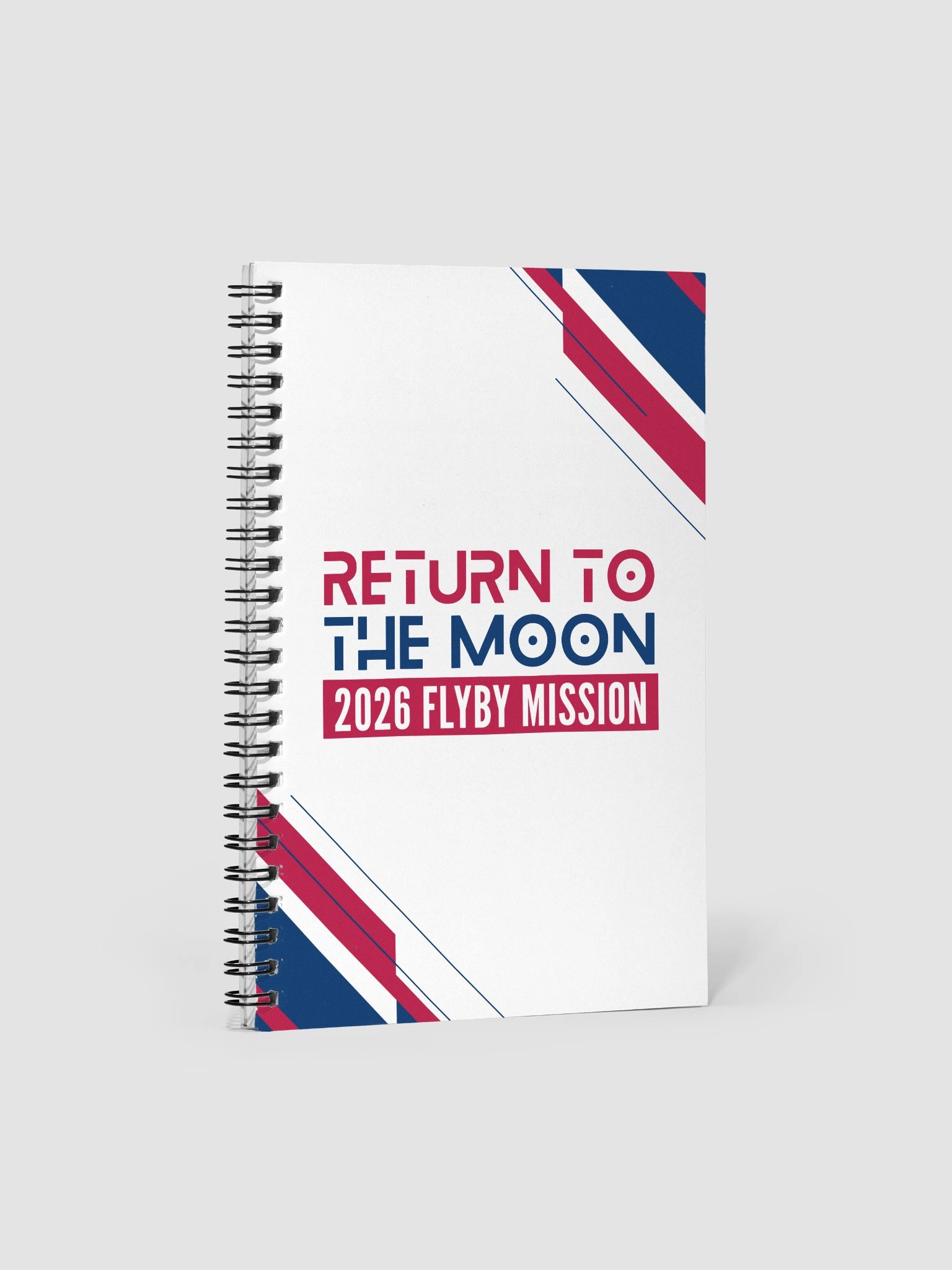


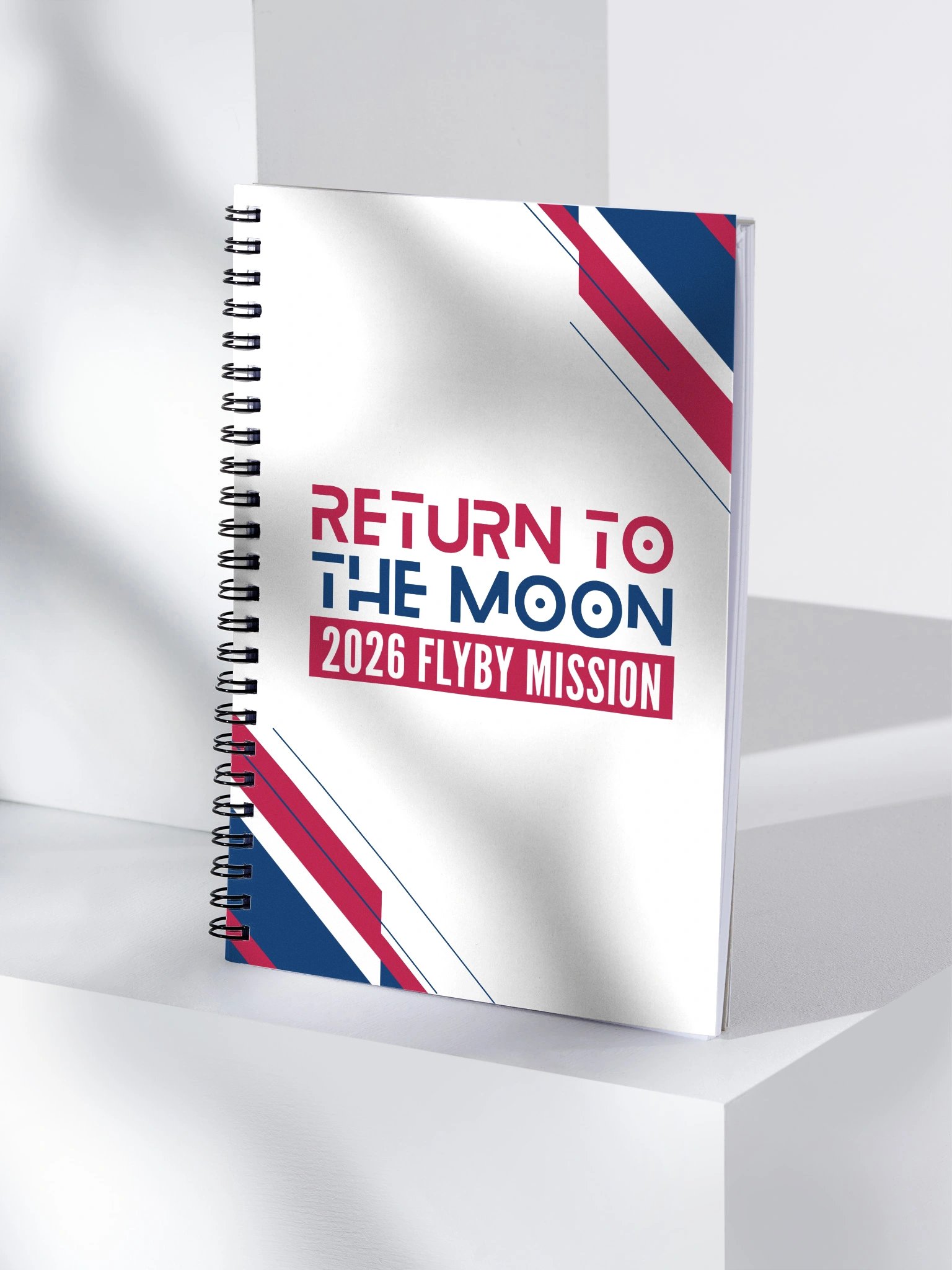
Mission to the Moon Journal April 1 2026, Space Notebook USA Astronaut Design Spiral Journal
Want a notebook that actually inspires you to write?
This Mission to the Moon journal turns everyday notes into something bigger.
Ideas. Plans. Goals. All in one place.
Why people love it:
✔ Compact and easy to carry
✔ Clean, inspiring design
✔ Great for daily use
Product Details:
- 140 dotted pages
- Cover with soft-touch coating
- Metal wire-o binding
This isn’t just a notebook…
It’s where your next idea begins.
👉 Start writing your next chapter.
Final Thoughts
Moon missions are more than just history, they’re happening right now. From the first steps in 1969 to the return of astronauts in 2026, we are entering a new era of exploration.
And the most exciting part?
You’re here to witness it.
Thank you for reading and don't forget to grab your keepsake!
Until next time...
Digital Disasters and Delights