
Top 10 Questions About Pet Loss with Answers for Healing and Comfort
Learn how to cope with grief, support loved ones, and find comfort after losing a beloved pet.
Losing a pet is one of the hardest experiences many people will ever face. Dogs, cats, birds, rabbits, and other companion animals become part of our families. They greet us with unconditional love, provide comfort during difficult times, and create memories that stay with us forever. When they pass away, the grief is real, valid, and deeply personal.
There is no right or wrong way to mourn the loss of a beloved pet. Everyone experiences grief differently, and healing takes time. In this guide, we'll answer some of the most common questions people ask about pet loss, explain what experts know about grieving, and offer compassionate advice for supporting yourself or someone you care about.

1. How Long Does Pet Grief Usually Last?
There is no timeline for grieving a pet. Some people begin feeling better after a few weeks, while others need several months or even longer. Research has shown that the bond between people and their pets can be just as meaningful as many human relationships.
Your grief may depend on how long you had your pet, your daily routines together, whether the loss was sudden, and your personal coping style. Missing your pet months or years later is completely normal.
Instead of trying to "get over it," most people gradually learn to carry the love while the pain becomes easier to manage.

2. What's the Best Way to Cope With the Loss of a Pet?
Healthy coping starts by allowing yourself to grieve. Don't feel pressured to hide your emotions because "it was only a pet." Your feelings matter.
Many people find comfort by talking with friends or family, creating a photo album, planting a tree, writing a letter to their pet, or making a memorial keepsake. Keeping regular routines, getting enough rest, and spending time outdoors can also support emotional healing.
If your grief feels overwhelming or begins affecting your daily life for an extended period, speaking with a counselor who understands pet loss may help.

3. What Are the Seven Stages of Pet Grief?
Many people refer to the seven stages of grief as a way to understand their emotions.
These stages are:
- Shock
- Denial
- Anger
- Bargaining
- Depression
- Testing and adjustment
- Acceptance
Not everyone experiences every stage, and they rarely happen in order. You may move back and forth between different emotions, or experience several at the same time.
Grief is not a straight path, and every journey is unique.
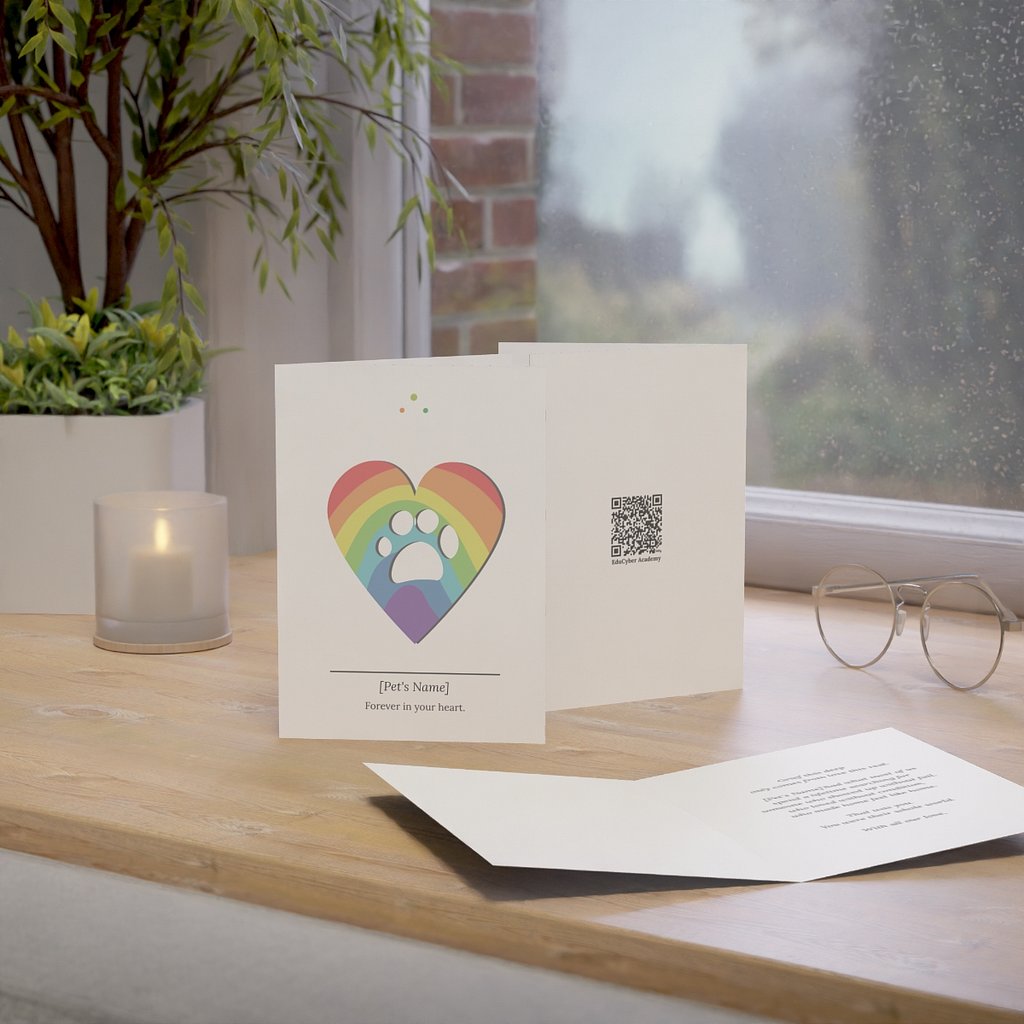
4. Why Does Losing a Pet Feel So Traumatic?
Pets become part of our everyday lives. They provide companionship, emotional support, routine, and unconditional love. Their absence can affect every part of your day, from morning walks to quiet evenings at home.
Research in psychology recognizes that the human-animal bond is powerful. Losing that relationship can trigger sadness, loneliness, anxiety, and even physical symptoms of grief.
These reactions are normal because your brain is adjusting to the loss of someone who was an important part of your life.
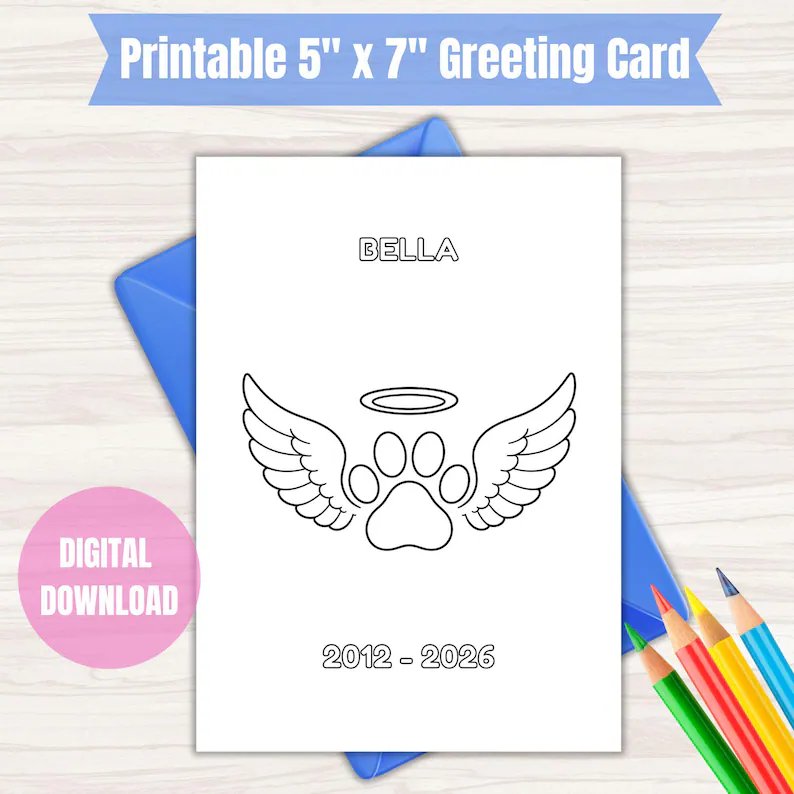
5. What Should You Say When Someone's Pet Dies?
Simple, sincere words often mean the most.
You might say:
- "I'm so sorry for your loss."
- "Your pet was clearly loved."
- "I'm thinking of you during this difficult time."
- "They were lucky to have you."
- "Their memory will always live on."
Avoid saying things like "You can always get another pet," because replacement isn't what someone who is grieving needs to hear.
Focus instead on acknowledging both the loss and the love.

6. How Can You Comfort Someone Who Lost a Pet?
Sometimes your presence is more valuable than finding the perfect words.
Listen without judgment. Let them share stories and memories. Send a thoughtful sympathy card, bring over a meal, make a donation to an animal shelter in the pet's memory, or create a small memorial gift.
Most importantly, let them know their grief is valid and that they don't have to go through it alone.
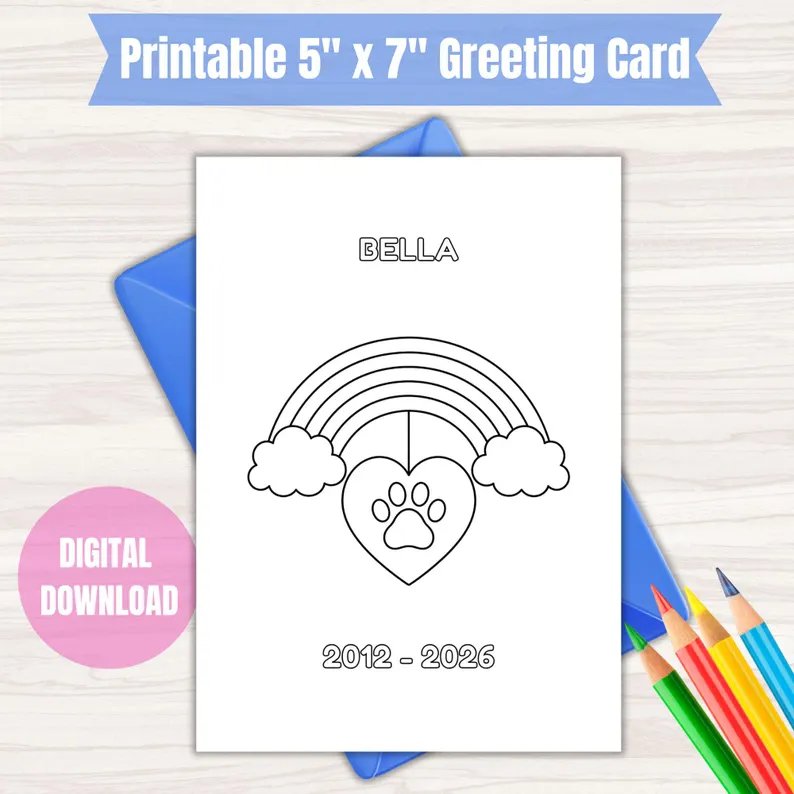
7. What Should You Do for Someone Who Just Lost a Pet?
Small acts of kindness can make a lasting difference.
Consider delivering groceries, helping with household tasks, sending flowers or a memorial gift, or checking in regularly during the weeks that follow.
Many people receive support immediately after a loss but feel forgotten later.
A simple message several weeks afterward can remind someone they are still cared for.

8. Does Your Pet's Spirit Stay With You?
This question has no scientific answer, and beliefs vary across cultures and religions.
Many people find comfort in believing their pet's spirit remains close or that they will be reunited one day. Others choose to remember their pet through photos, traditions, or acts of kindness in their honor.
Whatever your beliefs, the love and memories you shared remain a meaningful part of your life.

9. How Can Losing a Pet Change You?
Losing a beloved companion often changes people in lasting ways.
Many become more compassionate, develop a deeper appreciation for the time they spend with loved ones, or choose to volunteer with animal organizations.
While grief changes you, it can also remind you how deeply you are capable of loving. The bond you shared with your pet becomes part of your story forever.
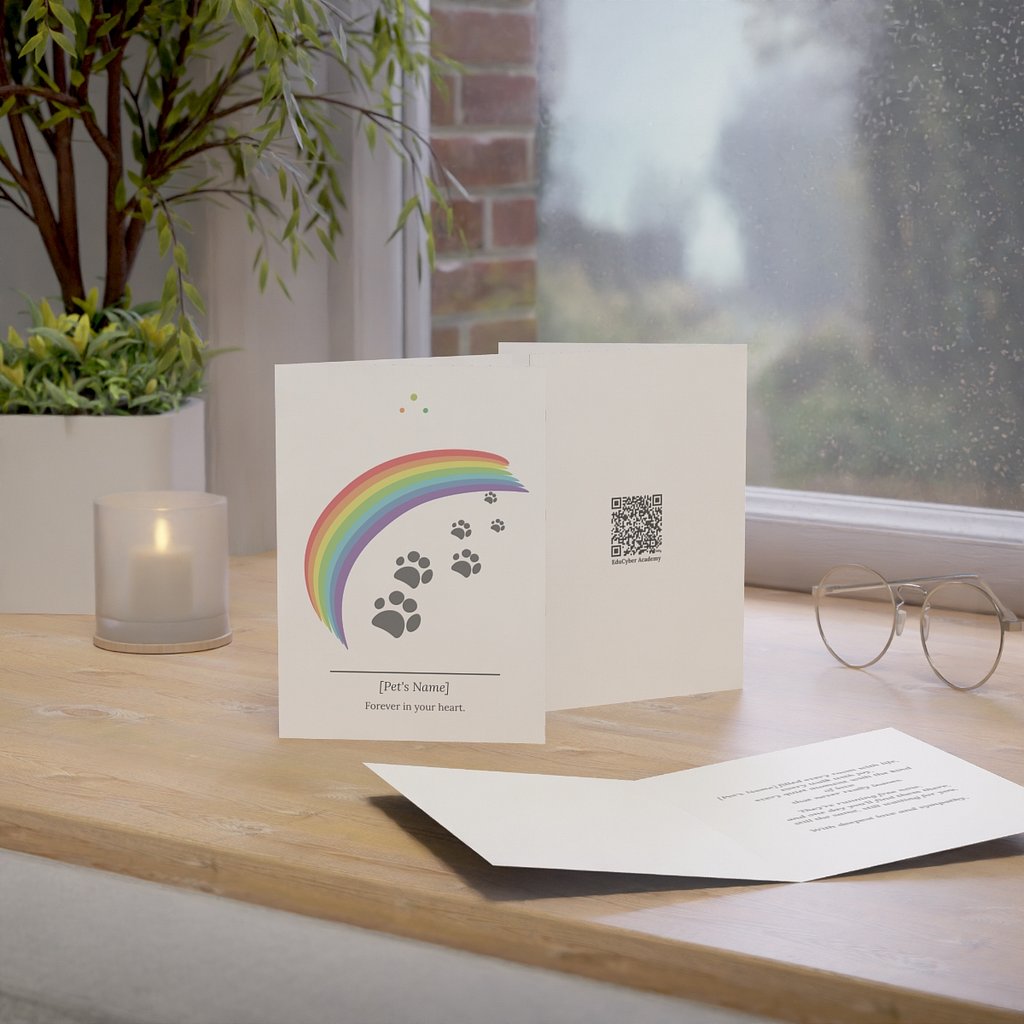
10. What Should You Write in a Pet Loss Sympathy Card?
A heartfelt message doesn't have to be long.
Here are a few examples:
- "Thinking of you and sending my deepest sympathy during this difficult time."
- "May the wonderful memories of your beloved companion bring you comfort."
- "Your pet filled so many lives with love and happiness."
- "Wishing you peace, comfort, and healing in the days ahead."
- "Their paw prints will remain in your heart forever."
Personalizing your message by mentioning the pet's name or a favorite memory can make your words even more meaningful.
Final Thoughts
Grieving the loss of a pet is an expression of love. Whether your companion had fur, feathers, scales, or paws, the bond you shared mattered.
Healing doesn't mean forgetting. It means learning to carry the memories, the gratitude, and the love with you as life moves forward.
If someone you know is grieving, remember that even the smallest act of kindness can provide tremendous comfort. Sometimes simply saying, "I'm here for you," is exactly what they need to hear.
Until next time...
Digital Disasters and Delights.